

A hospital bed supplier should be judged by product fit, quality control, export documents, warranty process, and how the team handles problems before a purchase order goes out. If you’re an importer, distributor, private-label healthcare brand, or hospital procurement lead, this guide gives you a practical way to compare suppliers before you commit budget, tooling time, or a container shipment.
Hospital Bed Supplier Checklist
1. Match bed types to your channel.
2. Verify ISO 13485-aligned quality records and current certificates.
3. Review CE/FDA import documents, manuals, labels, and traceability.
4. Test one sample under real user handling.
5. Confirm warranty scope, spare parts, OEM/ODM rules, and named service contacts before the deposit.

A quote sheet tells you the unit price. It doesn’t tell you whether the bed frame stays stable after months of height adjustment, whether replacement castors are stocked, or whether the carton label matches the documents your customs broker needs. That’s why experienced buyers compare suppliers in layers: product range first, then proof, then service behavior.
Start with the bed use case. A distributor selling to hospitals may need electric multi-function beds with central locking, IV pole sockets, drainage hooks, and CPR-related options where applicable. A long-term care supplier may care more about low height, quiet motors, warm-looking headboards, and easy cleaning. A home-care brand may need cartons that survive parcel handling and manuals written for non-clinical users.
| Buyer filter | What to ask for | What a weak answer sounds like |
|---|---|---|
| Product range | Manual, semi-electric, full electric, low-bed, and ICU-style options | “We can make any bed” with no catalog structure |
| Quality control | Incoming inspection, in-process checks, final QC records | Only beauty photos and a short video |
| Documents | ISO 13485 certificate, CE/FDA-related files, IFU, labeling samples | “Certificate available after order” |
| OEM/ODM | Logo, color, carton, voltage, plug, manual language | No drawing control or approval process |
| Warranty | Covered parts, claim steps, spare-parts list | “One year warranty” with no details |
| Service | Named contact, response flow, parts lead path | Salesperson disappears after shipment |
One practical test: ask the supplier to explain the difference between the sample bed and the mass-production version. If the answer is vague, pause. Good factories know which actuator, control box, caster, side rail, welding process, packaging material, and manual version are tied to each SKU.
Quality Signals Buyers Trust
A hospital bed is a moving metal structure with electronics, plastics, rails, brakes, and human contact points. Quality problems rarely look dramatic on day one. They show up as loose side rails, noisy height adjustment, scratched powder coating, weak brake grip, damaged cartons, or a pendant cable that pulls tight when the bed reaches full height.

Ask about the parts that carry risk. For actuators and control systems, buyers often compare suppliers using names such as Linak, DewertOkin, TiMOTION, or the factory’s own motor system. None of those names replace testing. They simply give you a starting point for questions about load rating, duty cycle, water resistance, replacement cost, and parts availability.
| Bed area | Good sign | Red flag |
|---|---|---|
| Frame | Clean welding, stable lifting, documented load tests | Visible flex during height movement |
| Side rails | Smooth lock/unlock, no sharp pinch feel | Rattle, uneven alignment, unclear latch status |
| Castors | Brakes engage firmly, wheel size matches floor type | One brake works better than another |
| Electronics | Clear cable routing, labeled control box, spare pendant option | Loose cables under the platform |
| Finish | Even coating on corners and joints | Rust risk at welds or exposed edges |
| Packaging | Drop-tested carton plan, foam position drawing | “Standard export packing” only |
The U.S. Food and Drug Administration updated its quality system framework: the FDA’s Quality Management System Regulation incorporates ISO 13485:2016 and became effective on February 2, 2026. FDA, 2026. For importers, this means ISO 13485 is more than a logo on a PDF. The certificate scope, issuing body, expiration date, factory name, and product category all matter.
YOYI CARE was founded in 2013 and references ISO13485, CE, FDA-related certifications, OEM/ODM customization, and 60+ patents on official brand materials. Treat those as starting points for buyer due diligence. Request the current certificate files for your order, then match the company name and address against the proforma invoice, carton label, and export documents.
A sample inspection should feel boring. That’s good. Raise and lower the bed repeatedly. Lock every caster. Move the backrest and knee section. Check the side rails with one hand, then with gloves. Plug in the control pendant and listen. A high-pitched whine or uneven lift may not matter in a showroom, but it matters in a hospital ward at 2 a.m.
Documents That Clear Customs
Documents don’t fix a poor bed, but missing documents can stop a good bed at the border. For U.S. shipments, the U.S. Food and Drug Administration’s Importing Medical Devices page explains that imported devices are checked against applicable requirements such as establishment registration, device listing, and other controls. FDA, 2026.

Be careful with the phrase “FDA approved.” Many hospital beds and related care beds may be registered or listed rather than individually “approved” in the way buyers sometimes use the term. Ask the supplier which exact FDA-related status applies to the product, who holds the registration, and whether your role as importer creates separate obligations. Your customs broker and regulatory consultant should confirm the final route.
| Document | Ask the supplier for | Buyer check |
|---|---|---|
| ISO 13485 certificate | Current PDF with scope and expiry | Factory name matches contract |
| CE file | Declaration of Conformity and applicable standard references | Product model appears clearly |
| FDA-related file | Registration/listing details where applicable | No vague “FDA certificate” language |
| IFU/manual | Final market language version | Warnings and labels match product |
| Label artwork | Product label, carton mark, UDI needs where applicable | SKU, voltage, model, importer details |
| QC report | Final inspection report for your batch | Serial or batch traceability exists |
| Shipping set | Invoice, packing list, HS code, COO if needed | Broker reviews before shipment |
This advice changes if you’re buying furniture-grade adjustable beds for a non-medical retail channel. The document package may be different. If the product is marketed for hospitals, long-term care, or medical supply distribution, treat the documentation as part of the product, not an office task after production.
A strong supplier will send sample labels early. That sounds small until you see a carton arrive with the wrong model name, a missing voltage mark, or a manual that names a different control box. Then your warehouse team has to quarantine goods while sales asks why the launch is late.
Product Range Fit
The best product range is the one that fits your channel without forcing your service team to learn ten unrelated platforms. For most importers, a focused range of manual beds, electric nursing beds, low beds, and higher-function hospital beds works better than a catalog full of lookalike SKUs with different spare parts.
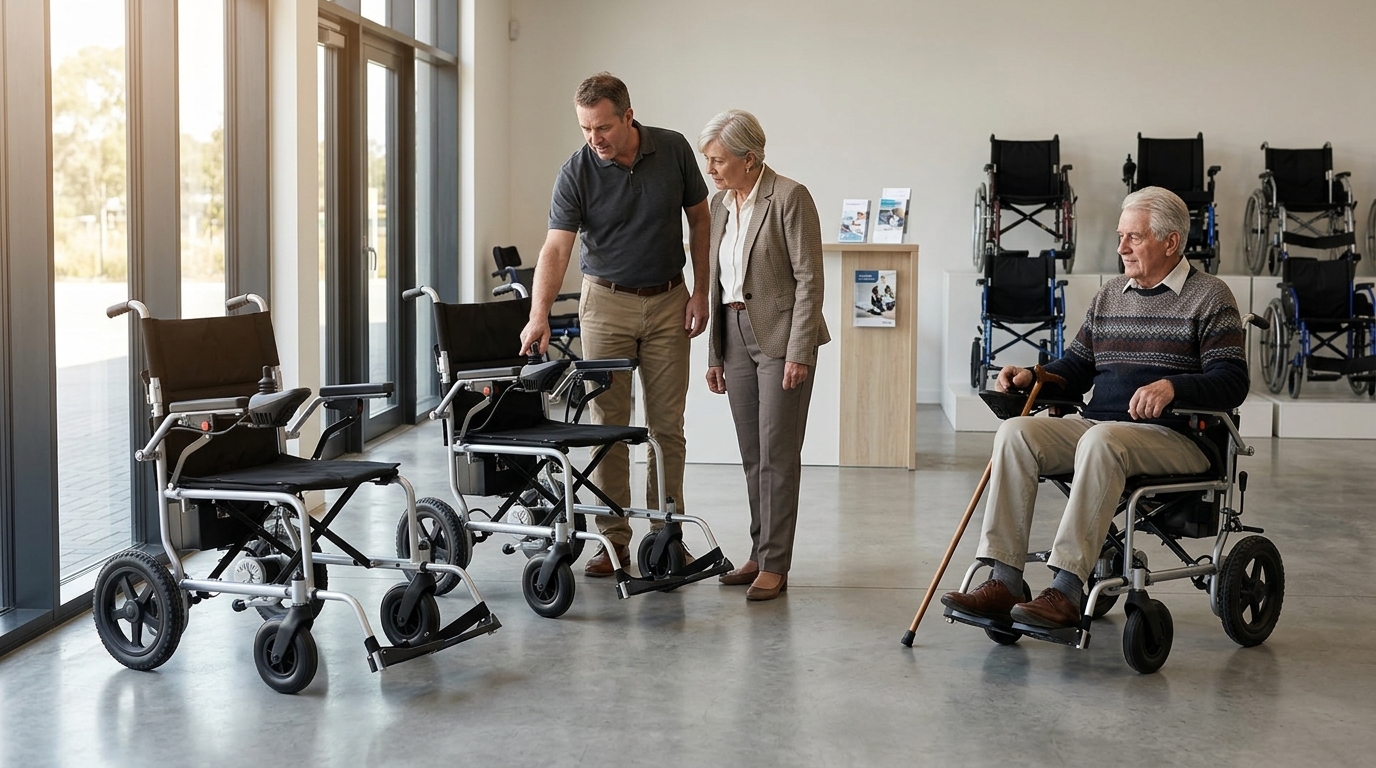
If your market sells long-term care and home-care equipment alongside clinical beds, comparing YOYI CARE as a custom nursing bed manufacturer can help you map electric functions, side-rail styles, finishes, and private-label needs into one sourcing discussion. Keep the comparison practical. A 5-function bed may look stronger in a catalog, but a 3-function electric bed may sell faster if your customers need basic positioning, height adjustment, and easier maintenance.
| Channel | Better product fit | Watch closely |
|---|---|---|
| Hospital distributor | Electric multi-function hospital beds | Service training and parts stocking |
| Nursing home supplier | Low beds and nursing beds | Noise, cleaning, rail safety |
| Home-care brand | Compact electric care beds | Manual clarity and carton strength |
| OEM/ODM brand | Shared platform with custom panels | Too many custom SKUs too soon |
| Tender supplier | Stable model range and documents | Model consistency across batches |
Don’t let the product team fall in love with every option. Trendelenburg features, weighing systems, backup batteries, central locking, and special rails all add cost, training needs, and failure points. They belong in the range when the end user actually asks for them. If your sales channel mostly handles nursing homes and rehabilitation centers, quiet lift movement and easy-clean surfaces may beat advanced clinical features.
Ask the supplier which models share motors, control boxes, side rails, head/foot boards, and castors. Shared parts reduce after-sales friction. They also make stocking easier. One pendant that works across four SKUs is a relief when a distributor has 300 beds in the field and a technician standing in a storage room with five similar-looking boxes.
MOQ, OEM, Private Label
MOQ should never be discussed as a number alone. A low MOQ with expensive custom cartons, unclear spare parts, and no repeat-order plan can cost more than a higher MOQ tied to a stable platform. Ask what changes when you move from sample to pilot order to repeat order: color, logo, carton, manual, plug, voltage, barcode, and label control.
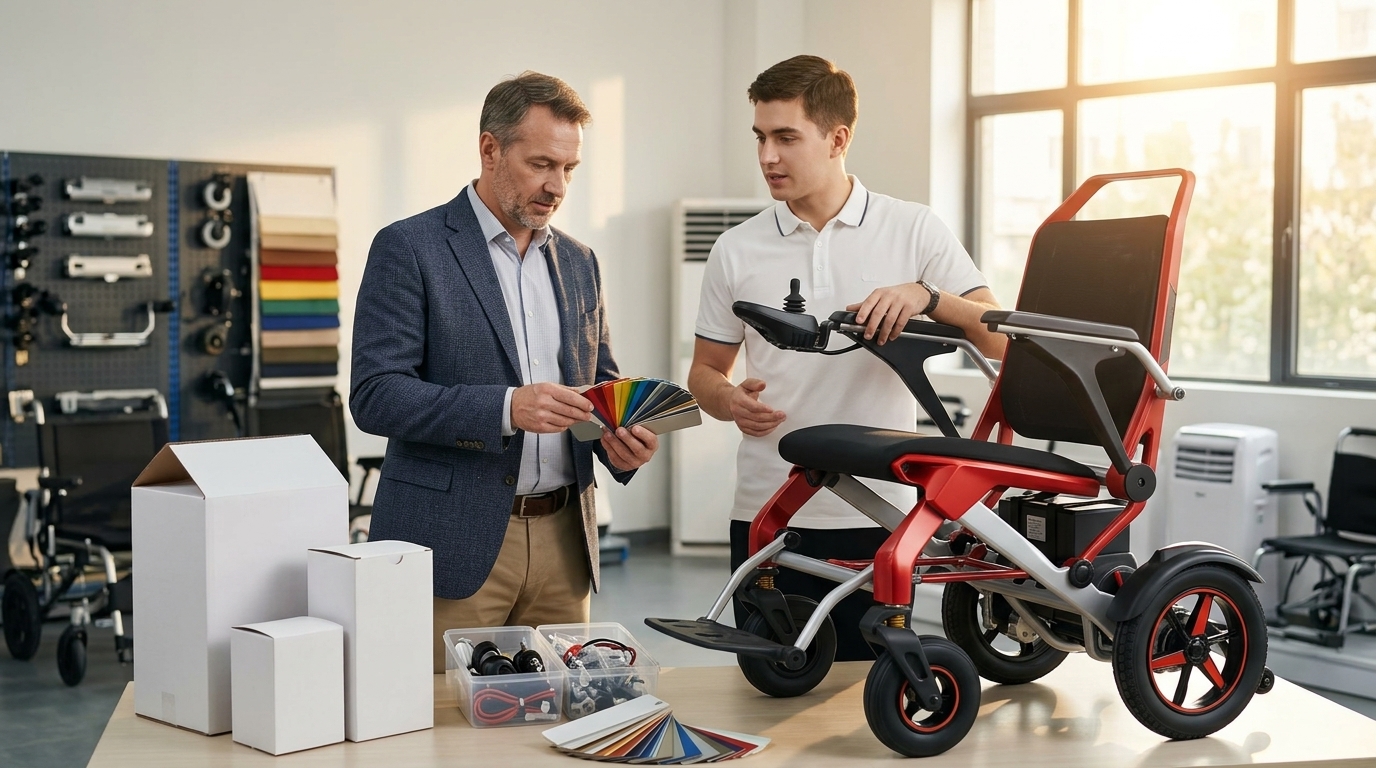
For private-label buyers, the useful question is not “Can you do OEM?” Ask for the approval workflow. Who confirms drawings? Who signs off artwork? What happens if the logo color on the ABS headboard doesn’t match the carton proof? If your team needs product development support, YOYI CARE’s medical device OEM ODM service page is a natural place to review customization scope before asking for a quote.
| Custom item | Decide before deposit | Why it matters |
|---|---|---|
| Brand logo | Position, size, color, method | Rework is slow after parts are made |
| Manual language | Market version and warning format | Regulators and users read different details |
| Electrical setup | Voltage, plug, cable routing | Wrong power details can block sales |
| Carton artwork | Barcode, model, importer name | Warehouses depend on scannable labels |
| Color and panels | Approved sample or color code | Photos can mislead under factory lighting |
| Spare parts | Private-label part names | Service teams need clear ordering codes |
Avoid heavy customization during the first pilot if your channel is still testing demand. Choose a stable bed platform, add brand identity, confirm documents, and run the first order through real sales and service feedback. After that, you can adjust rails, panels, packaging, and accessories with cleaner data.
YOYI CARE’s value for B2B buyers is strongest when customization connects to a real business need: distributor branding, local plug requirements, tender documents, care-facility preference, or SKU alignment across a product family. “Make it different” is expensive. “Make it easier to sell and support in Ohio, Dubai, Warsaw, or Manila” is a workable brief.
Warranty And Service Proof
The best service question is simple: what happens on day 143 when the right side rail won’t latch? A polished supplier will explain the claim form, photos or videos needed, spare-part path, warranty coverage, and who answers technical questions. A weak supplier repeats the warranty length and waits for the next topic.
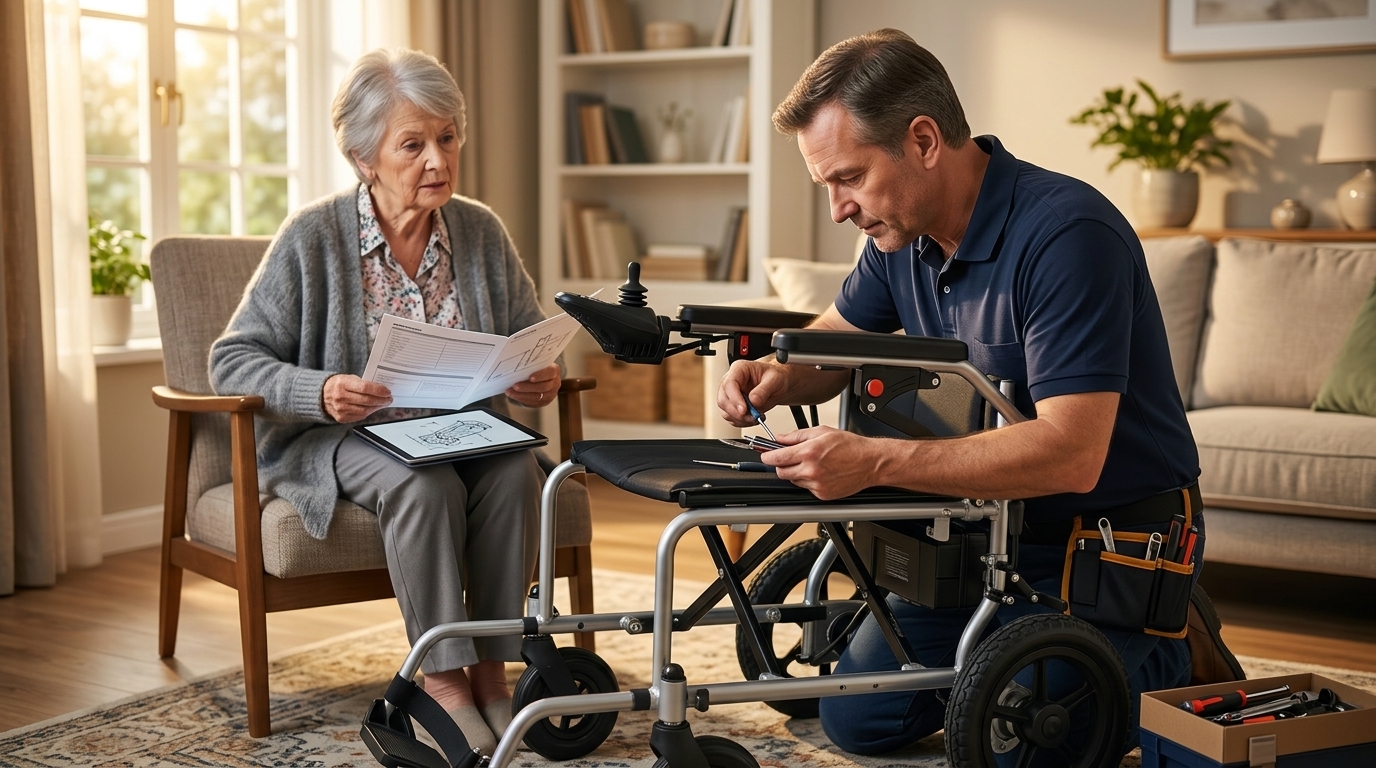
Warranty terms should name parts. Frame, actuator, control box, handset, side rail, caster, head/foot board, battery, and accessories may carry different coverage. That’s normal. What matters is whether the supplier explains the difference before the order, not after the first claim.
| Service issue | Strong supplier response | Weak supplier response |
|---|---|---|
| Motor failure | Diagnose by video, identify actuator, ship part | “Send back the bed” |
| Rail latch problem | Provide part code and replacement guide | “Maybe user damage” |
| Damaged carton | Review packing photo and batch record | Blame forwarder only |
| Missing accessory | Cross-check packing list and QC file | Ask buyer to reorder |
| Repeated issue | Root-cause report and corrective action | Discount on next order |
Ask for the spare-parts catalog before you buy. If the supplier can’t name the pendant, control box, caster, and rail part codes, your distributor network will struggle later. For importers, service is inventory math: one small carton of spare parts can save one large customer relationship.
There is a tradeoff. A supplier that allows deep customization on every order may have longer spare-part paths because each SKU is slightly different. A supplier with a standard platform may feel less flexible, but support becomes faster. For most new importers, standard platform plus controlled branding wins.
Final Buyer Scorecard
Use a scorecard before the final price discussion. Price matters, of course. Still, a cheap bed with unclear documents and slow service can erase margin through delays, credit notes, field repairs, and replacement shipments.
Score each supplier out of 100 before negotiating:
| Score area | Points | What earns full marks |
|---|---|---|
| Product fit | 20 | Bed types match your target channel and parts platform |
| Quality proof | 20 | Current ISO 13485-related files, QC records, sample test support |
| Regulatory documents | 20 | Clear CE/FDA-related documents, labels, manuals, batch traceability |
| OEM/ODM control | 15 | Drawing, artwork, sample, and approval steps are defined |
| Warranty and parts | 15 | Written coverage, spare-parts list, named claim process |
| Communication | 10 | Fast technical answers, no vague promises, clear responsibility |
A serious hospital bed supplier should reach at least 80 before you place a repeat order. Below 70, you may still buy a sample, but don’t build a yearly sales plan on that supplier yet. The gap will show up somewhere: customs, warranty, batch consistency, or your distributor’s support inbox.
For YOYI CARE, buyers should ask for the current catalog, the specific bed model list, certification files relevant to the destination market, OEM/ODM options, and sample inspection steps. The brand’s 2013 founding date, 60+ patents, and medical equipment focus are useful signals, but the purchase decision should still rest on the exact model, exact document package, and exact service agreement for your order.
FAQ
How do importers choose suppliers?
Importers compare product range, quality records, CE/FDA-related documents, warranty terms, spare parts, OEM/ODM ability, and communication speed. A sample order should test the bed, carton, manual, label, and service response before a repeat purchase.
Is FDA registration product approval?
No. FDA establishment registration or device listing is not the same as individual FDA approval. Ask which FDA-related status applies to the bed, then confirm requirements with your broker or regulatory consultant.
What documents should buyers request?
Request ISO 13485 certificates, CE documents where applicable, FDA-related files where applicable, declarations, manuals, label artwork, QC reports, packing lists, and batch traceability records. Check that model names match across all files.
Which bed functions matter most?
For many distributors, backrest adjustment, knee adjustment, height adjustment, reliable brakes, safe rails, and easy cleaning matter more than rare advanced features. Match functions to hospital, nursing home, or home-care use.
Can YOYI CARE support OEM?
Yes, YOYI CARE offers OEM/ODM customization for B2B buyers. Confirm the current options for logo, color, packaging, manuals, voltage, plugs, accessories, and model selection before quoting.
If you’re comparing suppliers now, send YOYI CARE your target market, bed type, expected channel, document needs, and branding plan. We can help you review product fit, current certification references, OEM/ODM options, and after-sales expectations before you commit to a sample or repeat order.


