

Sourcing wholesale medical supplies safely starts before you ask for the lowest price. You need a clear product specification, a real supplier, market-ready documents, inspected samples, and a way to trace every order after it ships.
None of that is complicated. But skip any one of them, and you’re looking at unusable stock, customs delays, or a supplier who stops answering after payment. This guide breaks the process into a few repeatable checks, so you can compare quotes fairly and walk away from a bad deal before it costs you.
1. Define the Product Before Contacting Suppliers
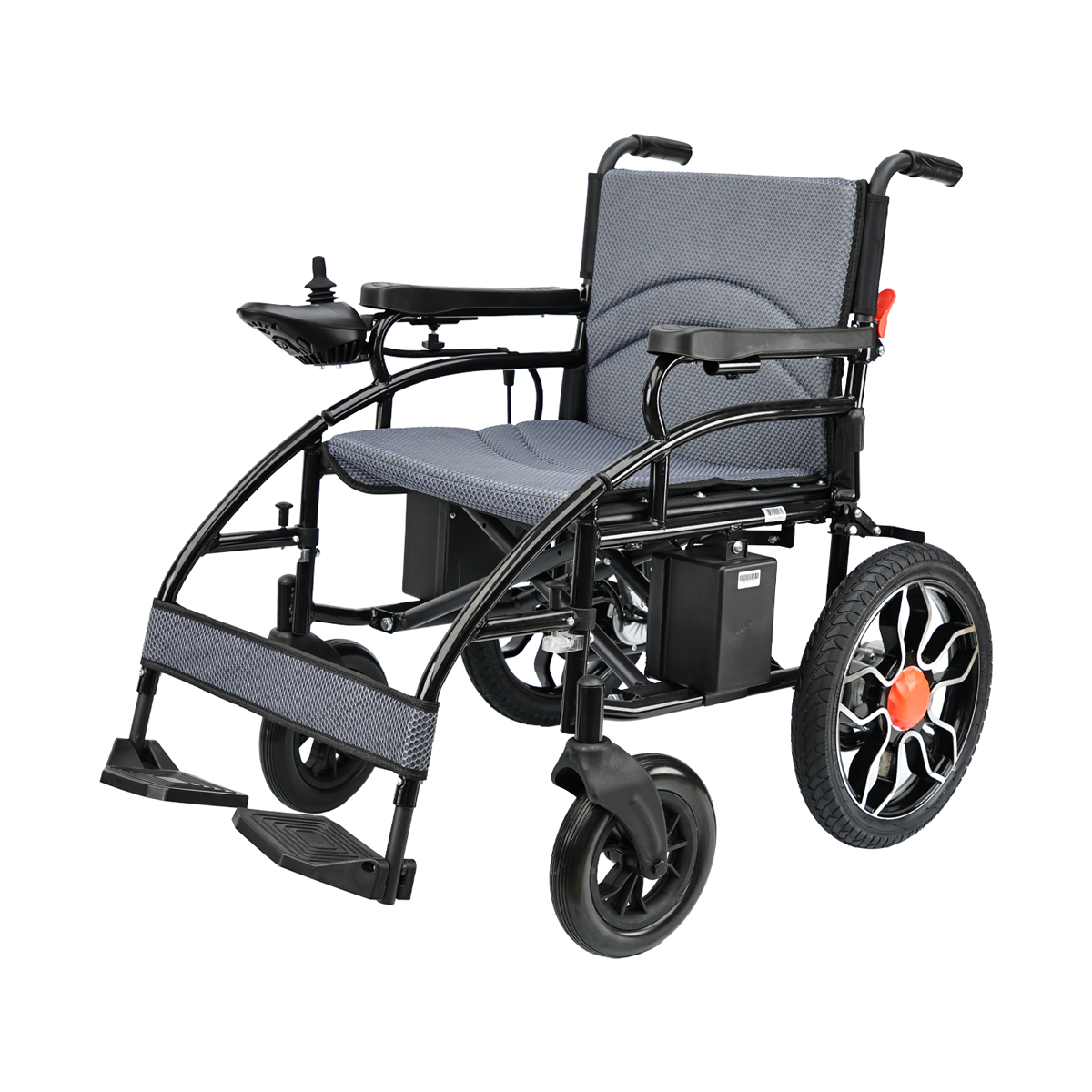
“Hospital bed” or “oxygen concentrator” is not a complete buying request. Write down the intended user, care setting, main function, dimensions, load rating, materials, power requirements, accessories, packaging, labels, manuals, and warranty expectations.
Add the country where you will sell. A device prepared for one market may not meet the labeling, electrical, language, or registration rules of another. Send the same specification to every candidate. Otherwise, the cheapest quote may simply cover a different product.
2. Verify the Wholesale Supplier’s Identity
Ask for the registered company name, business license, factory address, ownership details, export history, and bank beneficiary. Then compare those details across the quotation, contract, certificate, website, and payment instructions.
A manufacturer, trading company, and reseller can all be legitimate. What matters is knowing who makes the product, who controls quality, and who will handle complaints. Be careful when a supplier will not name the factory or wants payment to an unrelated personal account.
If you need a deeper set of questions, use our guide to choosing a reliable medical equipment supplier alongside this sourcing process.
3. Check Product Compliance for Your Market
Do not ask only, “Are you FDA approved?” or “Do you have CE?” Ask which rule applies to the exact model, intended use, and market. Request the certificate or registration reference, product listing, test report, label, instructions for use, and the name of the legal manufacturer.
For U.S. imports, the FDA checks applicable requirements such as establishment registration, device listing, premarket submissions, labeling, and importer information. The agency may detain or refuse products when required information does not match. Its medical device import guide explains the current checks.
Registration is not the same as product approval. Classification and requirements differ by device. Verify entries in the relevant regulator’s database and ask a qualified local adviser when the route is unclear.
4. Review the Quality System and Certificate Scope
ISO 13485 is a widely used quality-management standard for medical devices. It covers processes that help organizations meet customer and regulatory requirements. Still, a certificate is only useful when it is current, genuine, and relevant to the factory and product you are buying.
Check the company name, address, activities, product scope, issue date, expiry date, and certification body. ISO explains that ISO 13485 applies to medical device quality systems, while ISO itself does not certify companies. Verify the certificate with the certification body rather than trusting a PDF alone.
5. Approve Samples and Quality Criteria
Order a real production sample. Inspect its functions, finish, dimensions, labels, manual, accessories, carton, and serial or lot markings. For powered equipment, confirm the voltage, plug, battery, charger, controls, alarms, and stated performance.
Turn the approved sample into a written standard. Add photos, measurable tolerances, required records, and tests to the purchase order or quality agreement. A “golden sample” helps both sides understand what must be repeated in mass production.
When the risk or order value is high, use an independent pre-shipment inspection. Do not wait until the container reaches your warehouse to discover a repeated defect.
6. Put Traceability and Recall Duties in Writing
Your records should connect the supplier, purchase order, model, batch or serial number, production date, shipment, and customer. This makes complaints easier to investigate and affected products easier to locate.
Ask the supplier how it manages nonconforming products, corrective actions, field safety notices, and recalls. Check the FDA Medical Device Recalls database or the equivalent database in your market for the product and manufacturer. A past recall is not an automatic rejection, but the response tells you a lot about the quality system.
7. Confirm Packaging, Storage, and Shipping
Wholesale medical supplies can arrive unusable even when the product left the factory in good condition. Confirm carton strength, inner protection, pallet plan, moisture control, storage temperature, shelf life, and loading method.
For sterile or time-sensitive items, packaging integrity and expiry control need special attention. For large equipment, calculate carton dimensions, gross weight, and container loading before approving the order. Agree on the Incoterm, inspection point, insurance, and document set so responsibility is clear.
8. Start With a Trial Order and Score the Result
A polished sample proves only that one sample can be made. A trial order shows whether the supplier can control purchasing, production, inspection, packaging, documents, and delivery as one system.
Score the order on defect rate, document accuracy, on-time delivery, response speed, packaging, and corrective action. Increase volume only after the supplier performs consistently. If the first order exposes small problems, require written corrections before the next purchase.

Wholesale Medical Supplies Supplier Checklist
| Check | Evidence to request | Warning sign |
|---|---|---|
| Company identity | Business license, address, bank details | Names do not match |
| Product identity | Model, intended use, label, manufacturer | Vague or changing model numbers |
| Market compliance | Registration, listing, test and label records | Generic certificate for another product |
| Quality system | Current certificate with relevant scope | Unverifiable certificate |
| Production control | Inspection plan and batch records | No measurable acceptance criteria |
| After-sales support | Warranty, parts, complaint and recall process | Promises only in chat messages |
Keep this information in a supplier approval file. Review it at least once a year and whenever the product, factory, certificate, or legal manufacturer changes.
Before requesting a quote, prepare your product specification, target country, expected quantity, and required documents. You can then compare suitable items in the YOYI CARE medical equipment range. For OEM/ODM projects, our customization and production process explains how requirements move from sampling to quality inspection and shipment.
FAQ
Where can I buy wholesale medical supplies?
You can buy from authorized distributors, domestic manufacturers, or qualified overseas factories. The right source depends on the product, target market, order size, and service level you need.
How do I verify a medical supplier?
Match its legal name, license, factory, bank details, certificates, and product records. Verify important documents with the issuing body and inspect samples before placing a large order.
Does FDA registration mean approval?
No. FDA establishment registration or device listing does not by itself mean the agency approved the company or product. Check the exact device classification and applicable marketing requirements.
Should I use a sourcing agent?
An experienced agent can help with language, factory checks, inspections, and logistics. You still need a written agreement, transparent supplier identity, and independent verification of regulated product documents.
How large should my first order be?
Use the smallest order that can test production consistency, packaging, paperwork, delivery, and customer demand. Scale after the supplier closes any corrective actions from the trial.


