

If you distribute senior care products, you already know the feeling. The catalog looks full, but half of it just sits there.
Meanwhile, the people actually doing the care keep asking for the same things. Family members, nurses, aides. Something that makes a transfer safer. Something that helps someone get on and off the toilet without a fight. Something that keeps a caregiver from throwing out their back. Something that gets a response faster when minutes matter.
That is what earns shelf space in 2026. Not the flashiest item. Not the highest ticket. The products that solve a real problem, every single day.
What Senior Care Products Should Distributors Stock in 2026?
For most distributors, the best 2026 product mix includes wheelchairs, nursing beds, walkers, bathroom safety products, commodes, pressure-relief products, oxygen equipment, daily living aids, monitoring devices, and spare parts. Start with the products your channel can assess, service, and explain well. Then expand around the same care needs.
| Product category | Main buyer need | Stocking role |
|---|---|---|
| Wheelchairs | Indoor and outdoor mobility | Core equipment line |
| Nursing beds | Positioning and caregiver access | High-value project sales |
| Walkers and rollators | Supported walking | Broad retail demand |
| Bath chairs and grab bars | Bathroom safety | Easy add-on category |
| Commodes and toilet aids | Safer toileting | Home-care and facility demand |
| Pressure-relief products | Skin protection and comfort | Accessory and replacement sales |
| Oxygen equipment | Prescribed respiratory support | Technical, service-led category |
| Daily living aids | Independence with routine tasks | Lower-cost repeat sales |
| Monitoring and alert devices | Faster caregiver response | Growing connected-care line |
| Parts and consumables | Maintenance and continuity | Repeat revenue and after-sales support |
1. Wheelchairs for Everyday Senior Mobility
Wheelchairs are a natural catalog anchor. Stock by use case, not frame color. A transit chair suits assisted movement. A self-propelled model gives the user more control. A foldable electric wheelchair combines powered mobility with easier storage.
Compare seat width, capacity, folded size, brakes, footrests, battery type, and spare parts. Powered models also need a battery shipping process and a local service plan. YOYI CARE’s electric wheelchair range shows how mobility products can be organized around different frames and needs.

2. Nursing Beds and Transfer Support Equipment
Nursing beds serve home care, long-term care, rehabilitation, and discharge programs. A useful range can include a manual bed, an electric positioning bed, and a higher-support model.
Check working load, rails, caster brakes, dimensions, actuator access, mattress fit, and backup operation. Bedside tables and transfer aids can complete the room, but lifting products belong in channels that can train users and caregivers.

3. Walkers, Rollators, and Walking Aids
Walking aids fill the space between independent walking and wheelchair use. Basic folding walkers are easy to store and ship. Rollators add wheels, hand brakes, and often a seat. Canes offer a lower-cost entry point.
A tight range beats dozens of near-identical models. Cover key capacities, handle heights, replacement tips, brake cables, and indoor-friendly wheels. The World Health Organization’s priority assistive product guidance includes walking aids and wheelchairs, making them part of a connected mobility range.
4. Bathroom Safety Products for Aging in Place
Bathroom products are small, understandable, and closely tied to a visible risk. Stock bath chairs, shower stools, transfer benches, raised toilet seats, nonslip surfaces, and grab bars in a few well-defined sizes.
Look at drainage, leg adjustment, anti-slip feet, arm stability, corrosion resistance, and cleaning. The U.S. National Institute on Aging’s home-safety guidance recommends grab bars near toilets and tubs plus nonslip strips on wet surfaces. That room-by-room logic supports practical product bundles.
5. Commodes and Toileting Aids
Bedside commodes support users who cannot safely reach the bathroom at night or during recovery. Useful options include fixed commodes, height-adjustable models, wheeled shower commodes, and frames that can sit over a toilet.
Inspect stability, arm support, bucket removal, cleaning access, and brakes on wheeled models. A commode can look sturdy in a photo and still be awkward to empty, so test a sample.
6. Pressure-Relief Cushions and Mattresses
Pressure-management products pair naturally with wheelchairs and nursing beds. Start with seat cushions, heel protectors, positioning wedges, mattress overlays, and a small number of pressure-relief mattress systems.
Foam density, cover breathability, waterproofing, cleaning, user weight, posture, and risk level affect fit. Higher-risk users need qualified clinical input. Washable covers and replacements can be as important to distributors as the cushion itself.
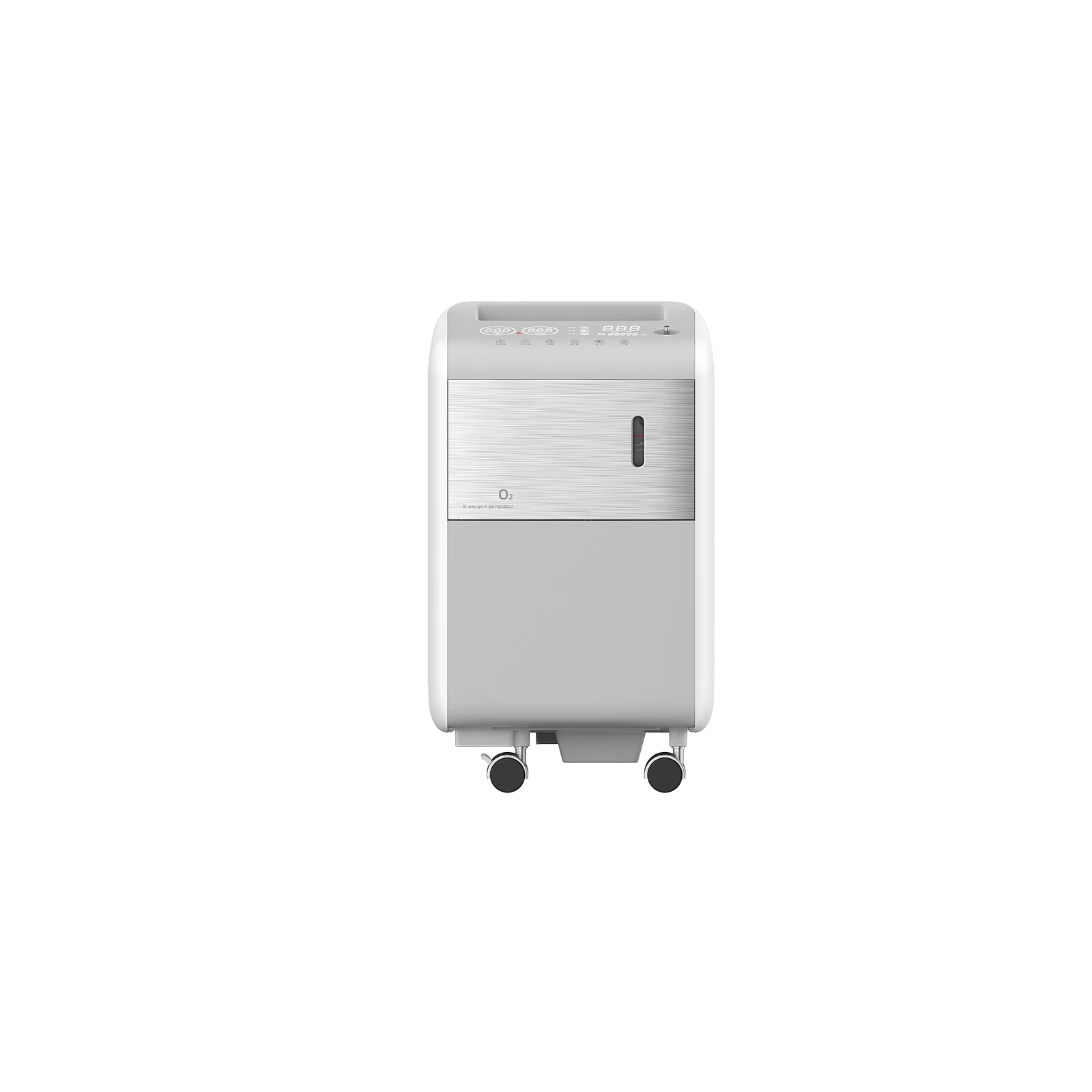
7. Oxygen Concentrators and Respiratory Accessories
Oxygen concentrators can be valuable, but they require more support than walking aids or bath chairs. Your team needs to understand local rules, maintenance, alarms, filters, and backup planning.
Separate stationary continuous-flow needs from portable use. Compare flow, oxygen concentration, noise, power, altitude limits, and service parts.
8. Daily Living Aids With Simple Demonstrations
Reachers, dressing aids, easy-grip utensils, pill organizers, bed rails, and ergonomic handles sell better when staff can demonstrate them quickly.
Choose items that solve one obvious task. Use packaging with readable type and clear diagrams. Even a simple product produces returns when instructions are poor.
9. Medical Alert and Remote Monitoring Products
Personal alert buttons, fall-detection wearables, bed-exit sensors, and simple home monitoring devices are moving closer to the center of senior care. In 2026, buyers are asking how these tools fit into prevention and caregiver response, not just whether they connect to an app.
Test setup, charging, coverage, alert routing, privacy, subscriptions, and offline behavior. Connected products should reduce caregiver uncertainty. If they create five new screens to watch, the value is harder to defend.
10. Spare Parts, Replacements, and Care Consumables
Keep high-failure and high-loss items close to the main equipment: casters, arm pads, footrests, batteries, chargers, filters, tubing, mattress covers, and common fasteners.
Parts support repeat orders and protect your reputation. Ask for diagrams, part numbers, service videos, warranty terms, and recommended stock levels before launch.
How to Build a Profitable Senior Care Product Mix
Start with three layers. First, choose anchor equipment such as wheelchairs or nursing beds. Second, add connected products that solve the next problem, such as cushions, commodes, or bath chairs. Third, carry the parts and replacements that keep the equipment working.
Score every SKU on demand, margin, carton size, training, regulation, service burden, and reorder potential. A bulky bed can bring strong revenue but occupy space. A bath chair carries a smaller invoice but may move faster.
If you are still shaping the company around that catalog, the guide on starting a medical supply business covers channel choice, compliance, cash flow, and supplier testing.
FAQ
Which products should a distributor stock first?
Start with one anchor category, such as wheelchairs or nursing beds, then add closely related safety products and spare parts. The first range should match your buyers, service capacity, and local regulations.
Are bathroom safety products profitable?
They can be, especially when sold as practical bundles. Bath chairs, grab bars, raised toilet seats, and nonslip products are easier to demonstrate and generally simpler to store than large equipment.
Should distributors stock smart senior devices?
Yes, when setup, alert routing, privacy, subscriptions, and offline behavior are clear. A smart device should make caregiver response easier, not create a new technical support burden.
How many SKUs should a new distributor launch?
There is no universal number. A focused set of well-supported SKUs is safer than a large catalog with weak documentation, no parts plan, and little product knowledge.
How often should the product mix change?
Review sales, returns, warranty cases, and customer requests at least quarterly. Replace slow, confusing, or service-heavy SKUs only after checking whether the problem is the product, pricing, training, or channel fit.


