

Sourcing wholesale commodes sounds straightforward until you’re stuck with a warehouse full of units that don’t pass EU MDR requirements or a supplier who disappears after the deposit clears. We’ve seen it happen more than once.
The global medical commodes market hit $1.28 billion in 2025 and is growing at nearly 4.8% CAGR through 2034. Demand in Europe and North America is climbing fast, driven by aging populations and expanding home healthcare programs. That means more buyers entering the market, and more room for expensive mistakes.
We’ve worked with distributors, healthcare brands, and procurement teams across many countries over the past 12 years. Here are the five mistakes we see buyers make repeatedly when sourcing wholesale commodes, and how to sidestep each one.
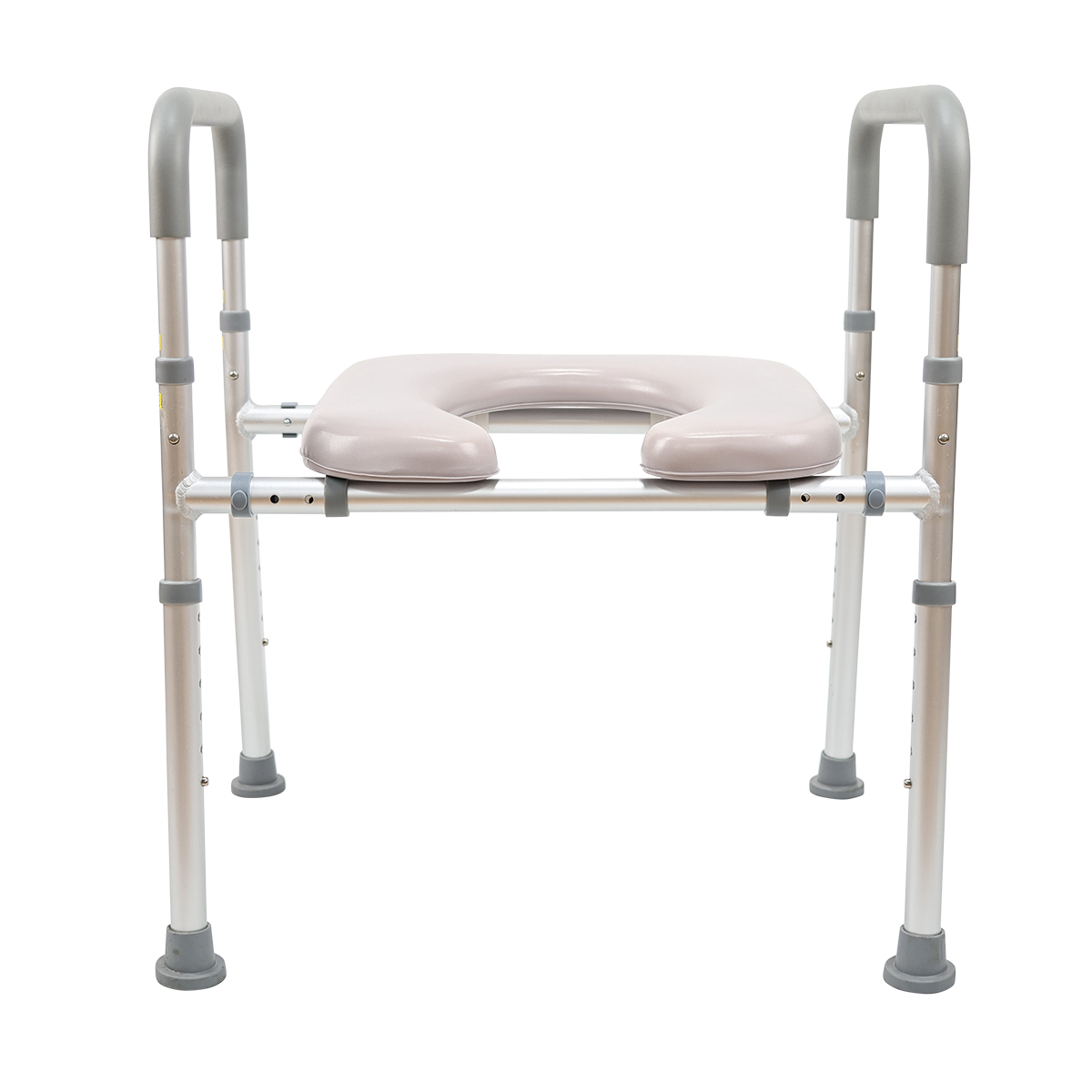
Mistake 1: Choosing a Supplier Based Only on Unit Price
This is the most common trap. A factory quotes you $15 less per unit, and suddenly everything else feels secondary. But here’s the thing: low unit price often hides real costs that show up later.
We’re talking about thin-walled tubing that bends under bariatric weight limits, plastic seats that crack within 6 months, or powder coatings that chip during shipping. Replacement costs, returns, and reputational damage add up fast.
What to do instead: Calculate total cost of ownership. That includes freight, duties, defect rates, warranty claims, and lead time delays. A supplier with a slightly higher quote but a 0.5% defect rate will save you thousands compared to a cheaper option running at 3-5% defects.
Mistake 2: Ignoring Certification and Compliance Requirements
Selling medical commodes in Europe requires CE marking under the EU Medical Device Regulation (MDR). The US market requires FDA registration. And both demand a supplier with a functioning ISO 13485 quality management system, not just a certificate hanging on the wall.
Here’s a reality check from industry forums: some factories hold ISO 13485 certificates that are technically valid, but their actual quality systems are copy-pasted manuals with zero internal audits or CAPA procedures. That certificate becomes worthless the moment a regulatory inspector walks in.
What to check:
- Valid CE and FDA documentation specific to the commode models you’re ordering
- ISO 13485 certification from a recognized notified body
- Medical Device Production License (for China-based suppliers)
- Actual records of internal audits and corrective action procedures
YOYI CARE holds CE, FDA, and Chinese Medical Device Registration certifications—backed by 60+ patents and a quality system built on YY/T0287-2017/ISO13485:2016 standards.
Mistake 3: Skipping OEM Customization Conversations Early On
Many buyers treat the first order as purely transactional: pick a model, confirm the price, place the order. They don’t discuss customization until the second or third reorder, by which point they’ve already gone to market with generic products that look identical to five other brands on the shelf.
In a competitive B2B market, your product lineup needs differentiation. Commodes might seem like simple products, but the customization options are wider than most buyers realize:
| Customization Area | Options |
| Frame color | RAL color matching, anodized finishes |
| Seat material | Padded, molded plastic, antimicrobial |
| Logo placement | Laser engraving, metal labels, pad printing |
| Weight capacity | Standard (120kg), bariatric (200kg+) |
| Folding mechanism | Fixed, portable, folding, wheeled |
Our take: Bring your branding requirements to the table from day one. A good OEM/ODM partner should offer these options without massive MOQ penalties. At YOYI CARE, our MOQ starts at 1 piece for sampling, with full customization available on production runs.
Mistake 4: Not Verifying Production Capacity and Lead Times
A supplier can have great samples and solid certifications but still fail on delivery. Why? Because they’re running 3 assembly lines shared across 8 product categories, and your 500-unit commode order sits behind a 2,000-unit wheelchair batch.
Late deliveries kill B2B relationships. If you’ve promised your hospital group or distribution network a delivery window and miss it by 4 weeks, you lose trust that takes months to rebuild.
Questions to ask before signing:
- How many dedicated production lines do they run?
- What’s the actual lead time after deposit, rather than the ‘marketing’ lead time?
- Can they handle surge orders during peak procurement seasons (Q1 and Q4 in most European markets)?
Mistake 5: Treating the Supplier as a Vendor, Not a Partner
This one’s subtle but it matters. Buyers who send a spec sheet, negotiate the lowest possible price, and go radio-silent until the next PO miss out on something valuable: supplier-side intelligence.
A manufacturer with 10+ years in the medical equipment space sees market trends before they hit procurement desks. They know which materials are facing supply chain pressures. They know which certifications are changing. They can flag potential compliance issues before they become your problem.
The best B2B sourcing relationships are collaborative. Share your market plans. Ask about new product development. Request quarterly business reviews. The factories who invest in R&D, such as YOYI CARE with its 60+ patents across electric wheelchairs, nursing beds, and mobility products, will bring ideas to you if you build that channel.
Ready to start a conversation? Reach out to our team directly to discuss your specific requirements and volume needs.
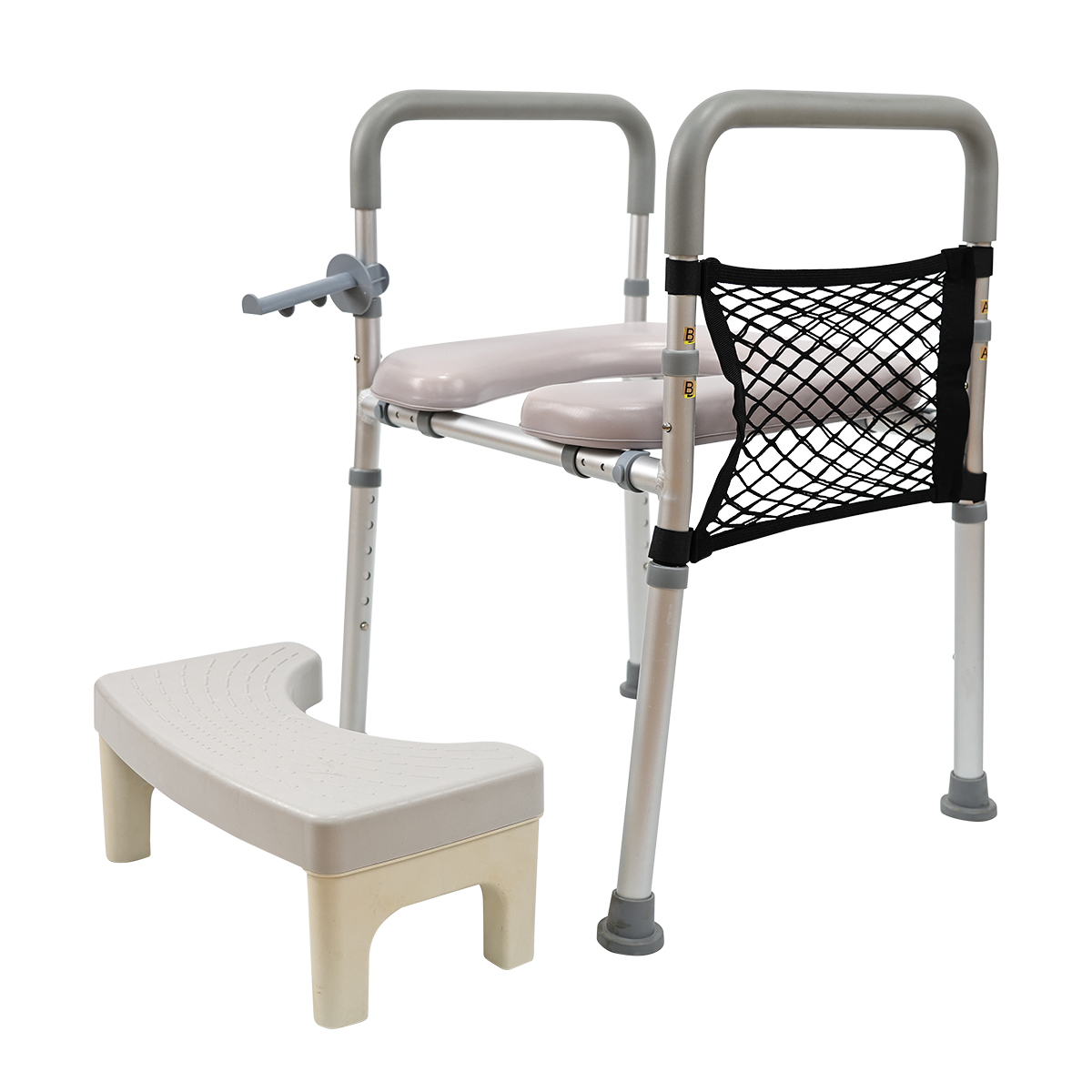
Key Takeaways
- Price-only sourcing is the fastest path to hidden costs and quality failures
- Verify certifications by checking actual QMS practices, not just paper certificates
- Discuss customization and branding from the very first inquiry
- Confirm production capacity and realistic lead times before committing
- Build a partnership mindset. It pays dividends in market intelligence and priority treatment
The wholesale commode market is growing fast. Buyers who avoid these five mistakes position themselves to capture that growth without the painful (and expensive) learning curve.
FAQs
What certifications should a wholesale commode supplier have for EU and US markets?
At minimum, look for CE marking under EU MDR, FDA registration for the US market, and ISO 13485:2016 certification for quality management. A Chinese Medical Device Production License is also required for China-based manufacturers exporting medical devices.
Can I put my own brand on commodes from a Chinese OEM manufacturer?
Yes. Most established OEM manufacturers offer full private label services including custom logo placement, branded packaging, and color customization. You’ll typically need to provide an authorization letter for branded production.
What’s the difference between OEM and ODM for medical commodes?
OEM means the manufacturer produces to your exact design specifications. You own the IP. ODM means the manufacturer uses their existing designs, which you can modify and brand. ODM is faster and cheaper for buyers who don’t have in-house R&D teams.


