

Choosing the best nursing bed for elderly care is one of the most important decisions for families, caregivers, and nursing facilities. A well-designed nursing bed directly affects comfort, mobility, and long-term health outcomes for seniors. Today’s options are more advanced than ever, offering features that support both hospital beds for elderly at home and professional nursing home supplies environments. This article explores what makes a high-quality nursing bed, the differences between models for home use and nursing homes, and how to choose the best option for your needs.
What Is a Nursing Bed?
A nursing bed is a specially designed bed that provides enhanced support, adjustability, and safety for elderly users or people with limited mobility. Unlike a standard bed, a nursing bed typically includes:
- Adjustable head and foot sections
- Height control for easier caregiving
- Side rails to prevent falls
- Supportive mattress options
- Optional electric motors for effortless adjustments
These features make a nursing bed an essential part of elderly care, whether used at home or in a nursing facility. It reduces caregiver strain and improves the user’s comfort, independence, and overall well-being.
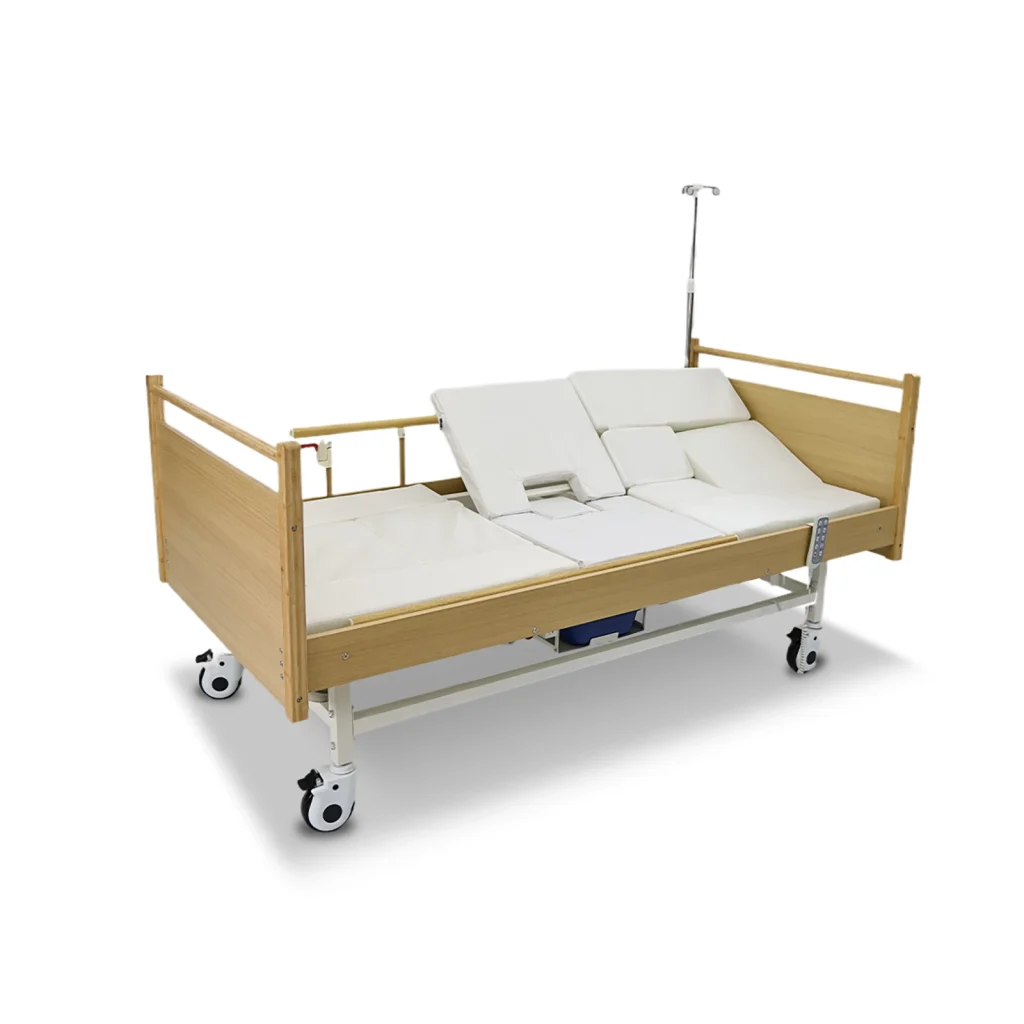
Hospital Bed for Elderly at Home: Key Considerations
Many families choose a hospital bed for elderly at home when caring for seniors with chronic illness, mobility limitations, or post-surgery recovery needs. These beds can greatly improve daily comfort and reduce risks such as pressure sores, slipping, or muscle strain.
Why choose a hospital bed for elderly at home?
To better understand why these beds are highly recommended for home care, here are the key benefits that make them essential for elderly comfort, safety, and caregiver convenience:
- Enhanced safety: Side rails, stable frames, and adjustable heights help prevent falls during sleep or transfers.
- Improved comfort: Seniors can easily raise or lower the backrest to eat, read, or rest comfortably.
- Better mobility support: Adjustable height makes it easier for seniors to get in and out of bed.
- Caregiver-friendly design: Caregivers can work at a comfortable height, reducing physical strain.
This type of bed is ideal for home settings because it combines the functionality of a medical facility bed with the comfort needed for long-term residential use.
Nursing Beds as Essential Nursing Home Supplies
A high-quality nursing bed is also a core component of nursing home supplies. In nursing homes and assisted-living facilities, these beds must be durable, safe, and designed for continuous use. They are considered essential equipment because they support:
- Daily caregiving routines
- Rehabilitation processes
- Proper posture and pressure relief
- Emergency safety needs
- Easy cleaning and long-term durability
In a nursing home setting, nursing beds often include advanced features such as central braking, reinforced frames, and medical-grade waterproof mattresses. These features ensure both safety and efficiency, allowing caregivers to handle daily tasks smoothly.
When writing procurement-focused content or product listings, highlighting how a nursing bed fits into the category of nursing home supplies helps target B2B buyers and administrators researching equipment upgrades.
Key Features to Look For in a Nursing Bed
No matter where the nursing bed will be used, certain features significantly improve safety and comfort:
- Electric Adjustability: Multiple motorized functions—backrest, leg rest, and overall height—allow smooth adjustments at the touch of a button.
- Safety Side Rails: Essential for fall prevention, especially for seniors with limited mobility or dementia.
- Pressure-Relief Mattress Compatibility:A supportive mattress helps prevent pressure ulcers for long-term bedridden users.
- Stable, Medical-Grade Frame: A durable steel or reinforced aluminum frame ensures long-term stability.
- Easy Transfer Height Range:Low-height settings help prevent injuries, while higher settings assist caregivers during daily care.
- Mobility and Locking Wheels: Smooth-rolling casters with strong brakes make repositioning safe and convenient.
Types of Nursing Beds for Elderly Care
|
Nursing Bed Type |
Features | Best For |
Price Range |
| Hand-crank adjustments, simple structure, low maintenance | Budget home care | Low | |
|
Motorized adjustments for backrest, leg lift, height |
Elderly with limited mobility |
Medium |
|
|
Low Nursing Bed |
Very low height, fall-prevention design |
Dementia or fall-risk users |
Medium |
| Heavy-Duty Nursing Bed | High load capacity, reinforced frame | Bariatric patients |
Higher |
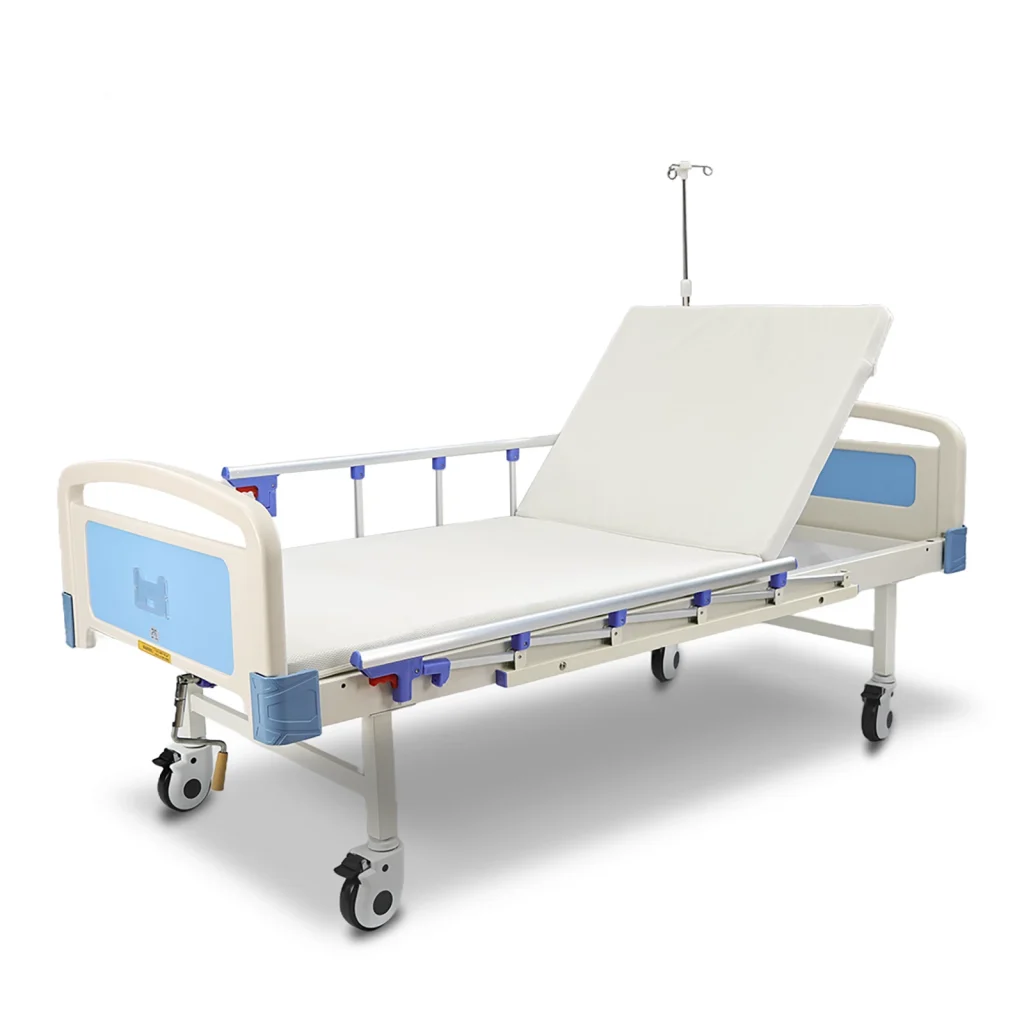
How to Choose the Right Nursing Bed
Choosing the right nursing bed starts with understanding the needs of the elderly user and the caregiving environment. Different users require different levels of mobility support, safety features, and adjustability. Before selecting a model, consider the following key factors that can significantly impact comfort and long-term care quality:
- Consider the User’s Physical Condition:Mobility, weight, comfort needs, and medical conditions all influence the ideal bed choice.
- Determine the Use Environment: Is it for home care, long-term rehabilitation, or a nursing facility?This affects the required durability and features.
- Evaluate Safety Requirements:Look for reliable rails, braking systems, and height adjustability.
- Compare Motor Quality and Warranty:A strong motor ensures smooth operation and long-term performance.
- Check Compatibility with Accessories:Over-bed tables, pressure mattresses, IV poles, and safety rails add value and flexibility.
Conclusion
Choosing the best nursing bed for elderly care requires balancing comfort, safety, and practicality. Whether you need a hospital bed for elderly at home, are purchasing new nursing home supplies, or simply want a reliable nursing bed for long-term care, the right bed can significantly improve quality of life for both the elderly user and their caregivers. By understanding key features, comparing bed types, and considering the care environment, you can confidently select a bed that enhances daily comfort and ensures lasting support.
FAQ:
Q: What is the difference between a nursing bed and a hospital bed?
A: Both beds provide adjustable support, but a nursing bed is mainly for long-term care at home, nursing homes, or hospital rehabilitation units, focusing on comfort and daily care. A hospital bed is designed for acute medical care, treatment, and clinical monitoring.
Q: Do I need an electric nursing bed at home?
A: Not always. Semi-electric or Manual beds can be sufficient for seniors with moderate mobility needs. Electric beds are recommended for users who require frequent adjustments or for caregivers who want to reduce physical strain.
Q: What features should I prioritize when buying a nursing bed?
A: Key features include adjustable height, backrest and leg lift, safety side rails, pressure-relief mattress compatibility, mobility wheels with brakes, and frame durability. The priority depends on the user’s mobility, medical condition, and caregiving environment.
Q: Can nursing beds be part of nursing home supplies?
A: Yes. Nursing beds are essential equipment in nursing homes, supporting daily care, rehabilitation, and emergency safety. High-quality beds are considered core nursing home supplies.
Q: How much does a nursing bed cost?
A: Prices vary depending on type, features, and brand. Manual nursing beds are usually the most affordable, while full-electric or hospital-grade beds cost more due to advanced adjustability and durability.


