

A full catalog is tempting. I get it. But your first OEM order isn’t about how much you can buy. It’s about what your team can sell, receive, and support without draining your cash.
Before the factory starts production, you need a focused product range, a realistic quantity, approved samples, and clear release conditions. Get those right, and your first order becomes a foundation. Get them wrong, and you’re stuck with stock you can’t move.
Here’s how to build a plan that works.
Define What Your First OEM Order Must Prove
Give the first order a specific job. You might be testing a branded mobility line with existing dealers or adding nursing beds for care-home accounts. Name the customer group and destination market before choosing options.
Decide what evidence will justify a reorder. That could include paid customer orders, acceptable delivery costs, complete product files, or service cases your team can resolve. Set your own thresholds before stock arrives. A successful factory shipment does not automatically mean a successful product launch.
Related article: What Is an OEM Medical Device? A Private Label Sourcing Guide
Choose a Small SKU Range and Limit Customization
Start with products that fit the same sales channel. A wheelchair dealer may already know how to demonstrate folding and arrange local repairs. Adding unfamiliar respiratory equipment introduces a separate support and regulatory workload.
For each model, separate launch requirements from later preferences. Confirm the required dimensions, accessories, electrical configuration, labels, and service parts. Keep optional colors or extra battery choices out of the first run unless customers have asked for them.
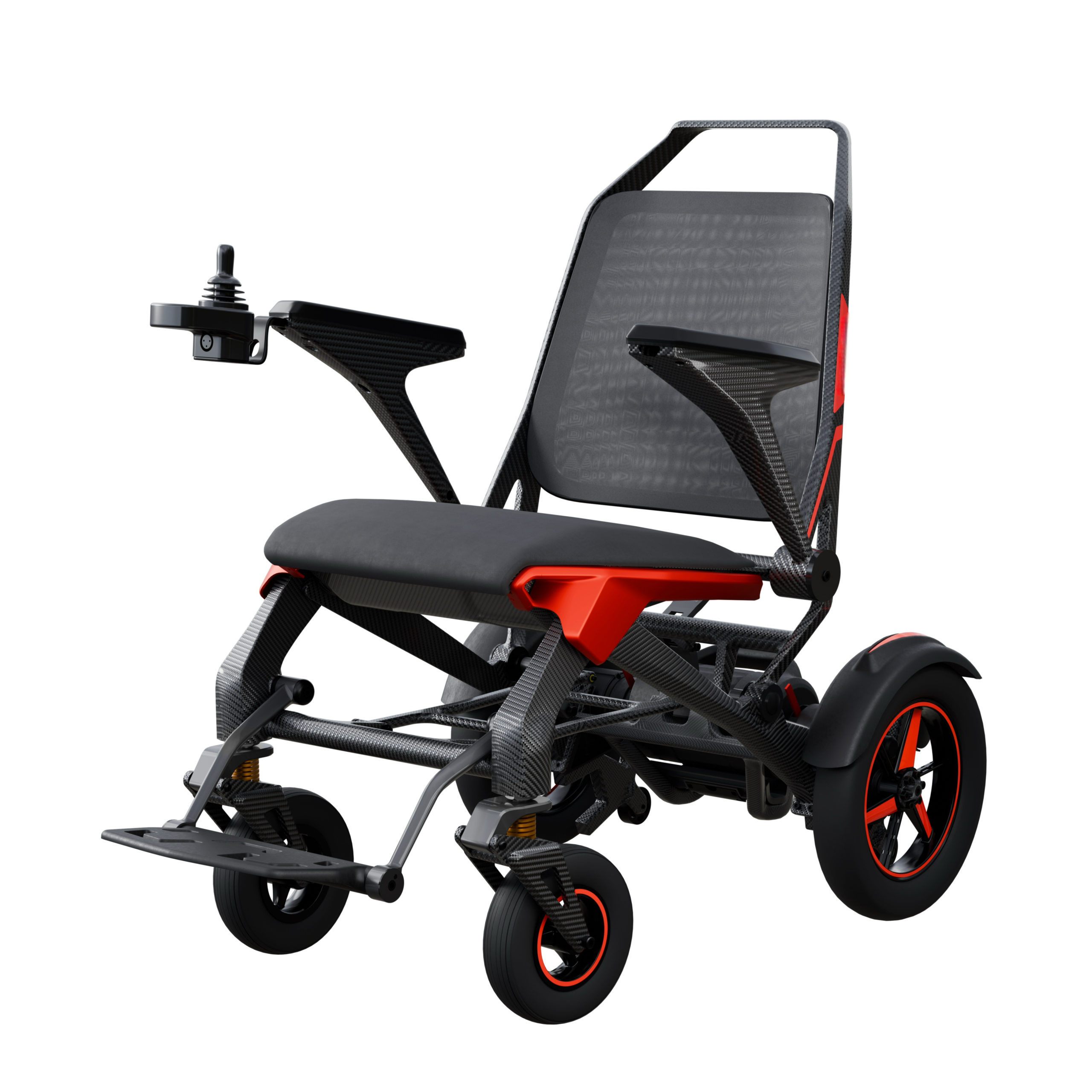
For example, if you are reviewing the YHWT-001 carbon fiber electric wheelchair, treat the model name as a starting point. Your approved order still needs the exact battery, charger, packaging, and branding configuration.
You can also compare the YHWL-003 aluminium electric wheelchair when narrowing your starter range. Match the model to your customers and support plan before choosing branding options.
Branding an existing platform can be simpler than requesting structural or controller changes. Deeper changes may require engineering work and additional testing. Confirm feasibility and document coverage before advertising the modified product.
How Medical Supply Distributors Set First-Order Quantities
Base the first quantity on credible sales demand, replenishment time, and the stock you can finance. Then compare it with the factory’s minimum order quantity. If the MOQ exceeds a sensible pilot, simplify customization or discuss a phased program before increasing the order.
A useful planning calculation is: expected sales during the initial coverage period, plus demonstration and service units, plus a justified buffer. Separate confirmed commitments from hopeful sales leads.
Here is an illustrative example, not a YOYI CARE MOQ or sales forecast. Suppose you expect to sell eight units monthly over three months. Add two demonstration units and four buffer units. Your starting estimate is 30 units. Stress-test a slower sales case before agreeing to the factory’s quantity.
Ask whether the MOQ comes from assembly or a custom component. Printed cartons, upholstery, or a specific battery option may create separate minimums. Also confirm whether unused branded packaging remains yours, where it is stored, and how it will be charged.
Have a shortlist but no firm quantity yet? Ask YOYI CARE about your pilot order. Share your preferred models, destination market, and estimated quantities to discuss feasible configurations and MOQ requirements.
Build One Approval File Before Paying for Production
Keep the order decisions in one controlled file. Give each document a revision and a named approver. Sales should not approve artwork that contradicts the technical specification, and the factory should not work from an older attachment.
| Order file | What to confirm |
|---|---|
| SKU and configuration sheet | Factory model, distributor SKU, components, accessories, and quantities |
| Approved sample record | Photos, identified sample, test observations, and accepted deviations |
| Branding and packaging files | Logo position, carton artwork, languages, labels, and revision numbers |
| Market document checklist | Exact model coverage, responsible parties, and unresolved requirements |
| Inspection and service plan | Acceptance criteria, traceability, parts, warranty, and claims route |
Private labeling needs a regulatory check before artwork is printed. The FDA’s registration and listing guidance distinguishes distributors, importers, relabelers, and specification developers by their activities. Your obligations depend on what you actually do, not simply the word OEM in a contract.
Registration or listing does not mean FDA approval, as the FDA’s public database explains. Have a qualified adviser confirm the route for your device and market.
Budget for Launch Costs and Local Service
The unit quotation is only part of your cash requirement. Separate one-time spending from costs that repeat on every shipment. Samples, translation, artwork, tooling, and testing can make the first batch costlier than later orders.
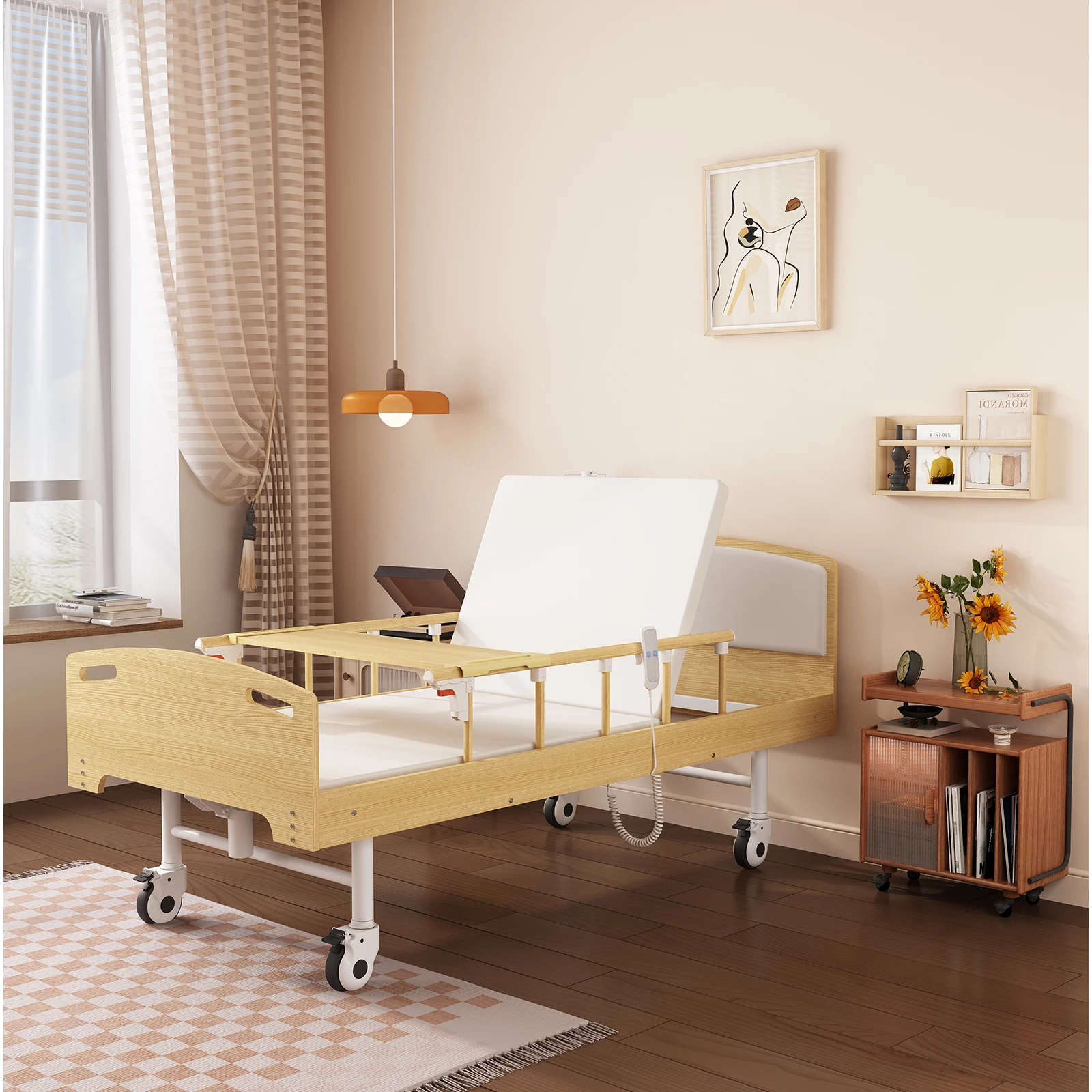
Then add freight, import charges, warehousing, demonstrations, and a service reserve. Price the actual delivery method: a bulky nursing bed going to a care facility has different handling costs from a boxed wheelchair collected by a dealer. For a care-facility launch, review our electric nursing bed range and confirm the selected model’s packing and installation needs.
Budget service parts against the selected configuration. Ask for part codes and compatibility records, not a generic replacement list. Decide who diagnoses a fault, authorizes a replacement, pays transport, and records the case.
A smaller order may cost more per unit but leave room to fund launch support. Before accepting a discount for extra volume, compare the saving with the cash and warehouse space the additional stock will consume.
Set OEM Production and Shipment Release Gates
Build the schedule around approvals, not just a promised shipping date. Ask the factory which events start each lead-time estimate. Sample approval, artwork approval, deposit receipt, and component availability may happen on different days.
- Sample release: approve the complete configuration and record remaining issues.
- Production release: sign off current specifications, artwork, commercial terms, and required documents.
- Inspection release: compare production with the approved file and resolve failed checks.
- Shipment release: confirm packing, transport documents, delivery arrangements, and agreed payment conditions.
Define who can authorize changes after production starts. A substitute charger or updated controller needs review for compatibility and document impact. Keep the written change approval with the affected batch.
Do not announce a fixed launch date while unresolved approvals still control production. Allow time for corrections and customs review rather than assuming every milestone will finish on its earliest date.
Review the Pilot Before Placing a Repeat Order
At receipt, reconcile quantities and serial records, inspect shipping damage, and check that labels and accessories match the order. Keep unsellable or unresolved units separate from available stock.
Review sell-through, realized margin, customer questions, and service workload before adding variants. Record why each configuration sold or stalled. Your second order should reflect that evidence rather than automatically repeating the first quantity.
Discuss Your First OEM Order with YOYI CARE
Ready to turn your shortlist into an order plan? Send us your destination market, customer channel, preferred models, estimated quantities, and branding files. Ask about samples, MOQ, customization scope, packing, and service parts before committing to production. You can review our OEM/ODM customization process first, then contact us with your project details.
FAQ
How many models should I start with?
Start with a range your sales and service teams can handle confidently. Add models when customer demand supports the extra stock and support work.
Can I order below the advertised MOQ?
Sometimes, especially with standard components and simpler branding. Ask what sets the MOQ and whether a paid pilot is feasible.
Should I customize the design immediately?
Only when a verified customer need justifies the development and compliance work. An existing platform with controlled branding may suit a first launch better.
When should packaging artwork be approved?
After the product configuration and required label content are confirmed. Approve the final revision before printing begins.
What should trigger a second OEM order?
Use actual demand, available cash, replenishment lead time, and resolved quality issues. Shipment arrival alone is not enough.


