

If you’re sourcing toileting aids for care homes, home health agencies, or retail customers, the 3-in-1 commode is one of those products that always seems to move. It’s a bedside commode, a raised toilet seat, and a safety frame in one. Simple to explain, easy to stock.
The problem is that “3-in-1” tells you almost nothing about whether it will actually sell in your market. Toilet height, seat depth, handle position, and weight capacity vary more than most buyers expect. Before you commit to a container load, walk through these checks.
What Is a 3-in-1 Commode Used For?
A standard 3-in-1 commode brings toileting closer to the user, provides a higher sitting position over a compatible toilet, and offers arm supports for transfers. These functions depend on the model and its approved setup. Check the instructions for each configuration rather than assuming every chair works in exactly the same way.
| Function | Typical arrangement | What to confirm |
|---|---|---|
| Bedside commode | Chair with a removable collection bucket | Bucket attachment, stable placement, and emptying arrangements |
| Raised toilet seat | Frame positioned over a compatible toilet | Bowl clearance, seat height, and splash guard requirements |
| Toilet safety frame | Approved frame configuration with arm supports | Transfer method, floor contact, and manufacturer instructions |
For bedside use, the bucket collects waste beneath the seat. Someone must be able to remove, empty, and clean it. That practical task belongs in the buying decision, not as an afterthought.
Over a toilet, the bucket is normally removed. A compatible splash guard may direct waste into the bowl.
What Are the Benefits of a 3-in-1 Commode?
A bedside arrangement can shorten the trip to the toilet. That may be helpful at night or when walking to another room is difficult. It does not remove the need for assistance if the person cannot transfer safely.
Height adjustment can help match the seating position to the user. Arm supports can provide a place to steady the hands during an assessed transfer. The right setup matters more than choosing the tallest setting.
One compatible device can also serve different toileting arrangements as needs change. For a family, that may mean fewer separate items to store. For a distributor, it creates a useful product demonstration: show the approved configurations and explain who each one suits.
Privacy matters, too. Think about where the chair will sit, how help will be available, and how cleaning will happen discreetly.
Which Commode Features Should You Compare?
I would start with dimensions and intended use, then look at convenience features. A folding mechanism is useful only after the chair fits the person and the space.
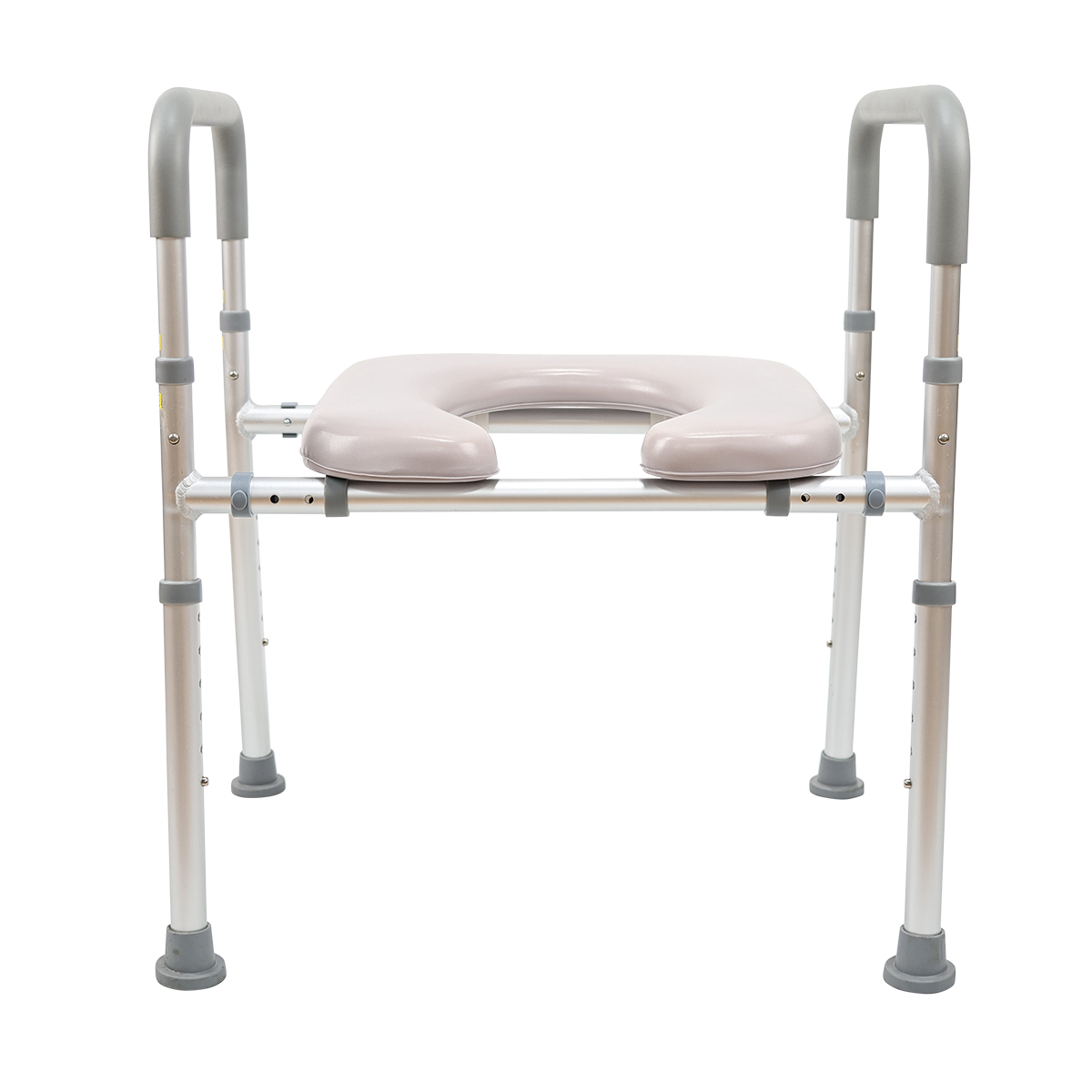
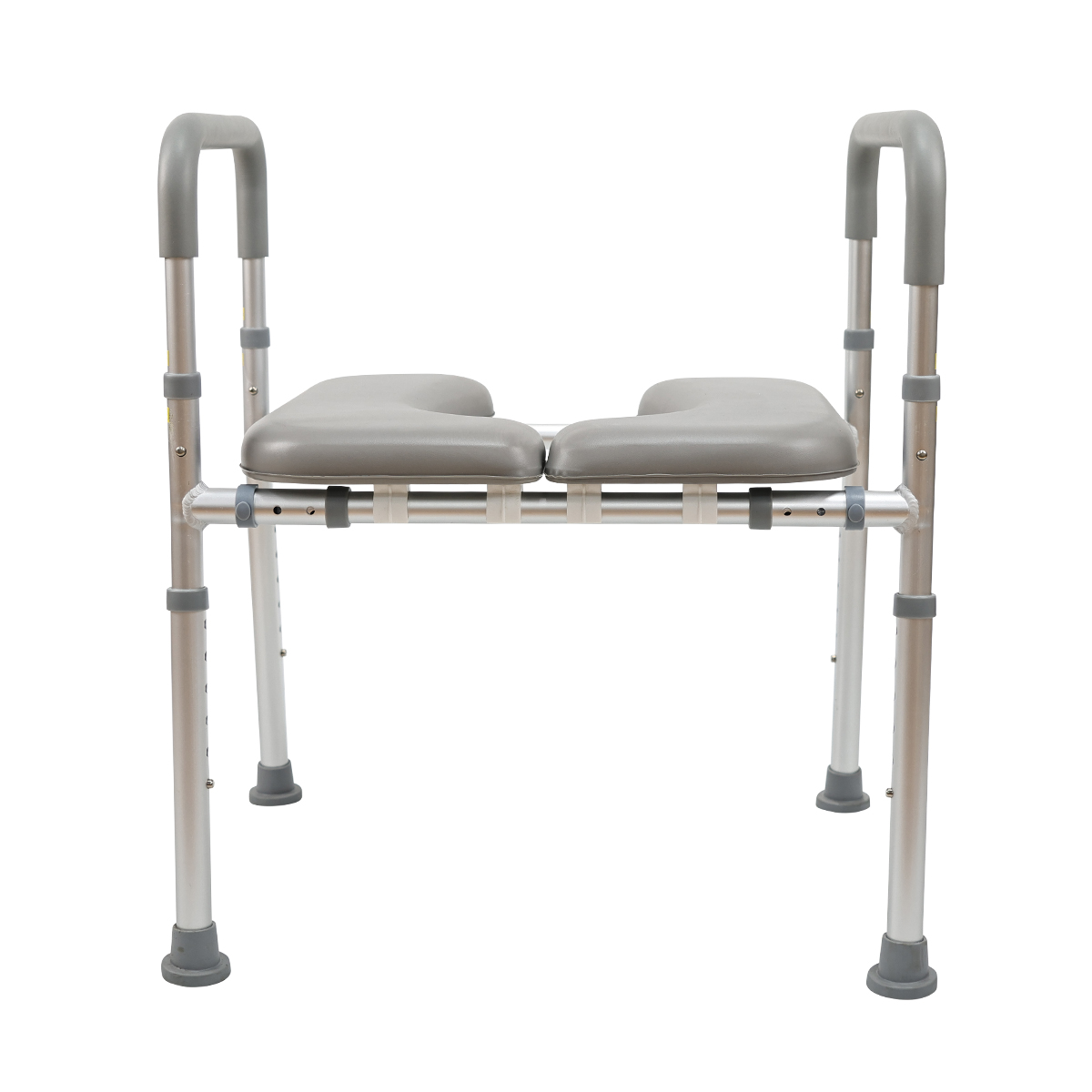
- Seat fit: Check usable width, depth, opening shape, and space between the arms.
- Height range: Request seat-to-floor measurements, not just overall chair height.
- Rated capacity: Confirm the documented limit for the exact model.
- Frame and feet: Inspect connections, adjustment locks, and replaceable rubber tips.
- Bucket system: Check attachment, handle access, lid fit, and replacement availability.
- Transfer access: Ask whether fixed or drop-arm supports suit the assessed transfer method.
Padding may feel comfortable, but cleaning access matters as well. Ask which surfaces and removable parts need attention after use. Also confirm whether folding requires parts to be removed.
Can a 3-in-1 Commode Be a Shower Chair?
Not automatically. The standard three functions are toileting functions. Shower use needs separate confirmation in the manufacturer’s instructions, including suitability for water exposure and the intended floor surface.
Some purpose-built shower commodes use “3-in-1” for a different combination, such as showering, toileting, and transport. Read the actual function list. An aluminum frame alone does not establish that a chair is suitable for showering or moving an occupied user.
How to Choose a Commode That Fits
Start by writing down the main use: bedside toileting, over-toilet support, or both. Then measure the available floor space and the toilet’s height and surrounding clearance. Request a dimensional drawing if fit is uncertain.
Next, consider the person. Can they sit steadily? How will they transfer? Is someone available to help? A standard fixed-arm chair may not suit a person who leans heavily to one side or needs a different transfer arrangement.
Before committing, ask the supplier to demonstrate assembly, adjustment, and bucket removal. If a required accessory is not included, add it to the quotation.
Compare the complete package when checking prices. Include delivery, replacement buckets, spare feet, and any setup help you need. A cheaper chair may be poor value if a missing accessory prevents the intended use. For repeat orders, ask whether the same seat and bucket parts will remain available.
What Should Wholesale Commode Buyers Ask?
Wholesale buyers need a precise specification rather than a generic “3-in-1” label. Ask for intended functions, included accessories, seat dimensions, rated capacity, cleaning instructions, and destination-market documentation.
Request a sample and a written accessory list before a larger order.
Find Commode Options for Your Care Market
Browse YOYI CARE’s commode range, then contact our team with your intended functions, destination market, required capacity, and quantity. Request a model-specific specification and accessory list so your quotation matches the product you actually need.
Frequently Asked Questions
What does 3-in-1 mean for a commode?
For a standard model, it means bedside commode, raised toilet seat, and toilet safety frame. Some specialist products use a different combination, so check the stated functions.
Will it fit every toilet?
No. Compare the toilet’s dimensions and surrounding clearance with the commode’s approved over-toilet setup before buying.
Can I use it in the shower?
Only if the manufacturer specifically approves shower use for that model. A standard 3-in-1 toileting label does not establish shower suitability.
Does every commode include a bucket?
No, configurations and accessory packages vary. Confirm that a compatible collection bucket is included if bedside use is required.
How much weight can it support?
The limit depends on the exact model. Check its documented rated capacity and fit rather than assuming a shared limit for all 3-in-1 commodes.


