

Introduction
Choosing the right frame material for an electric wheelchair isn’t just about weight—it affects everything from portability to battery life, ride comfort, and even maintenance. Among the most commonly used materials—steel, aluminum, and carbon fiber—each comes with its unique advantages and trade-offs. This blog breaks down how these materials impact electric wheelchair performance, cost, comfort, and overall user experience. We also include market insights to help guide your decision.
1. Electric Wheelchair Frame Materials at a Glance
Steel Electric Wheelchair
Steel is known for its high strength and cost-effectiveness. It’s commonly found in basic or hospital-grade electric wheelchairs. While extremely durable, its main drawback is weight. Heavier steel frames reduce portability and increase motor strain, impacting energy efficiency and battery life.
Pros:
- High durability
- Low cost
- Easy to manufacture and repair
Cons:
- Very heavy
- Less energy-efficient
- Not ideal for frequent transport or foldability
Steel-framed electric wheelchairs still hold a significant share in public institutions due to their affordability and ruggedness, particularly in emerging markets.
Aluminum Electric Wheelchair
Aluminum offers a more balanced option. It’s significantly lighter than steel while retaining good structural strength. Many mid-range and foldable electric wheelchairs use aluminum due to its portability and resistance to corrosion. It is also more customizable in terms of colors and design elements.
Pros:
- Lightweight and strong
- Corrosion-resistant
- Easier to transport and fold
Cons:
- Slightly more expensive than steel
- May deform under heavy or prolonged stress
According to industry reports, aluminum electric wheelchairs account for over 50% of the global market due to their cost-performance balance, especially in home care and travel use cases.
Carbon Fiber Electric Wheelchair
Carbon fiber represents the premium tier of wheelchair frame materials. Extremely lightweight yet stiff, it reduces power consumption and enhances ride comfort, especially over longer distances. It’s also commonly used in high-end or travel-specific electric wheelchairs.
Pros:
- Ultra-lightweight
- Excellent vibration dampening
- Maximizes battery efficiency and range
- High-end aesthetics and customizability
Cons:
- High cost
- Complex to repair if damaged
- May be overbuilt for occasional or short-term users
The global adult carbon fiber wheelchair market is projected to grow from $500 million in 2022 to $1.2 billion by 2030, with a CAGR of 12.2%. The demand is driven by premium users seeking lightweight and personalized mobility.
2. Factors for Choosing Steel vs. Aluminum vs. Carbon Fiber Electric Wheelchairs
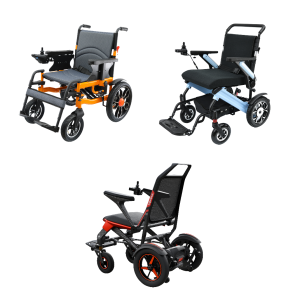
Weight and Battery Efficiency
Lighter frames like aluminum and carbon fiber consume less battery per distance traveled, increasing range. Steel frames, while stable, put more strain on the motors and drain the battery faster.
Data Point: Users can gain 10–20% more range with carbon fiber frames compared to steel ones due to reduced load on the battery and motors.
Motor Load and Energy Consumption
Reducing motor load by using lighter materials helps extend the lifespan of the motors and reduces maintenance frequency. Steel frames require stronger motors, which means more power consumption and potentially more wear over time.
Portability and Transport
If a user or caregiver needs to frequently fold, lift, or transport the wheelchair, weight becomes critical. Aluminum and carbon fiber offer the best user experience in this regard. Steel frames are cumbersome and generally not ideal for travel.
Comfort and Vibration Dampening
Carbon fiber naturally absorbs road vibrations, reducing fatigue and discomfort during extended use. Aluminum performs moderately well, while steel tends to transfer more vibration to the user.
Clinical Note: Users with spinal injuries or chronic joint pain often report better comfort in carbon fiber models due to superior shock absorption.
3. Durability, Lifespan, and Maintenance
- Steel: High resistance to impact but prone to rust if untreated. Simple and cheap to repair.
- Aluminum: Corrosion-resistant and long-lasting under moderate conditions. Slightly more complex to repair.
- Carbon Fiber: Doesn’t rust and lasts long with proper use, but damage is harder and costlier to fix.
More manufacturers are combining carbon fiber with impact-resistant polymer elements to improve crash tolerance while keeping weight low.
4. Cost and Value Considerations
| Material | Weight | Comfort | Battery Impact | Cost | Maintenance | Customizability |
|---|---|---|---|---|---|---|
| Steel | Heavy | Low | High usage | $ | Low | Low |
| Aluminum | Moderate | Moderate | Balanced | $$ | Moderate | Medium |
| Carbon Fiber | Ultra-Light | High | Efficient usage | $$$ | High | High |
Despite the higher cost, carbon fiber wheelchairs are gaining traction among long-term users and high-income demographics due to their efficiency and comfort advantages.
5. Customization Potential
Steel offers limited design flexibility, while aluminum allows for moderate personalization such as seat width, color, and accessories. Carbon fiber, often used in premium electric models, is ideal for high customization—integrating features like smart controls (app, voice, touchscreen), custom batteries, and ergonomic seating.
Popular Custom wheelchair Features Include:
- Adjustable battery capacity
- Color accents and branding (logo printing/engraving)
- Integrated smart technology (IoT-based controls)
- Cushion and backrest upgrades
6. Application Scenarios: Who Should Choose What?
Steel Electric Wheelchairs Are Best For:
- Basic mobility or hospital use
- Budget-conscious purchases
- Short-term or indoor-only use
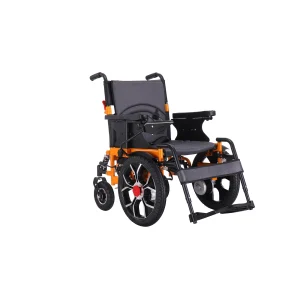 Steel Electric Wheelchair
Aluminum Electric Wheelchairs Are Ideal For:
- Regular daily use
- Users needing foldable or portable designs
- Balanced performance at a reasonable cost
 Aluminum Electric Wheelchair
Carbon Fiber Electric Wheelchairs Fit:
- Users prioritizing lightweight, long-range mobility
- People with joint or spine sensitivity needing ride comfort
- High-performance users, travelers, or long-term care needs
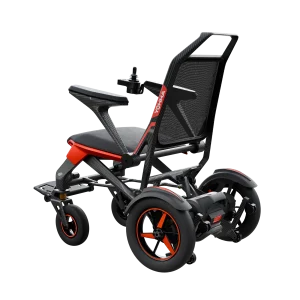 Carbon Fiber Electric Wheelchair
A recent user preference study showed that 72% of long-term electric wheelchair users would consider upgrading to carbon fiber if cost were not a constraint.
7. Final Thoughts: Choosing the Right Material for Your Electric Wheelchair
There’s no one-size-fits-all answer—selecting the right frame material comes down to your mobility goals, environment, physical needs, and budget. Steel provides robust reliability at a lower cost but adds weight. Aluminum strikes a good balance for everyday users. Carbon fiber delivers top-tier performance for those who need the lightest, most efficient ride.
When in doubt, consult with a mobility specialist or clinician to align your choice with long-term care and independence goals. Consider future needs, customization preferences, and how often the wheelchair will be used in active environments.
FAQs
Q: Is carbon fiber worth the extra cost?
A: Yes—if you prioritize lightweight portability, battery efficiency, and long-term comfort. For occasional use, aluminum may be more cost-effective.
Q: Can I upgrade an aluminum wheelchair to carbon fiber later?
A: Not typically. Frame materials are built into the design. You would need to purchase a new unit.
Q: Are carbon fiber wheelchairs fragile?
A: No—they’re strong and durable under normal use, but sharp impact or improper handling can damage the frame.
Q: Which frame material is best for elderly users?
A: Aluminum offers a good compromise between weight and stability for elderly users. Carbon fiber adds comfort and ease of use but comes at a higher cost.


