

Proper bed positioning in nursing is a cornerstone of effective patient care. Whether it’s to enhance comfort, support recovery, or ensure safety, the way a patient is positioned in bed can directly influence healing outcomes.
In some situations, nursing bed restraint positions are also necessary to prevent falls or injuries, always following strict safety and ethical guidelines.
1. What Is Bed Positioning in Nursing?
Bed positioning in nursing refers to the strategic adjustment of a patient’s body and the bed structure to achieve specific clinical or comfort outcomes.
Proper bed positioning reduces pressure ulcers, aids circulation, and supports respiratory and musculoskeletal health.
Main Goals of Bed Positioning in Nursing:
-
Enhance patient comfort and relaxation
-
Promote proper body alignment and blood flow
-
Prevent complications such as bedsores or contractures
-
Facilitate medical procedures and daily care activities
2. Common Bed Positions in Nursing
Different bed positions in nursing are used depending on the patient’s condition, treatment, or comfort needs. Below are the most frequently applied ones:
Fowler’s Position
The head of the bed is raised between 45–60 degrees, with knees slightly bent. It helps with breathing, eating, and communication, and is common for post-surgery recovery or patients with respiratory distress.
Semi-Fowler’s Position
The bed is inclined at 30–45 degrees, promoting comfort and reducing pressure on the lower back. It’s suitable for patients with cardiac conditions or after abdominal surgery.
Supine Position
The patient lies flat on their back. It’s used for resting, sleeping, or during specific medical examinations.
Prone Position
The patient lies on their stomach, which promotes lung expansion and is often used in ICU settings or for patients with respiratory complications.
Lateral (Side-Lying) Position
The patient lies on one side with knees slightly bent. This position reduces pressure on the back and is helpful for patients at risk of bedsores.
Trendelenburg Position
The bed tilts so the patient’s head is lower than their feet. It’s used to improve venous return or during certain emergency situations.
Reverse Trendelenburg Position
The patient’s head is elevated higher than the feet to promote better blood circulation and relieve pressure on abdominal organs.
3. Nursing Bed Restraint Positions
In specific clinical circumstances, nursing bed restraint positions are applied to protect patients from self-harm or accidental injury — especially those with confusion, agitation, or involuntary movements.
However, restraints should only be used when medically justified and must comply with ethical and institutional guidelines.
Types of Bed Restraint Positions:
-
Soft limb restraints: Prevent arm or leg movements that could cause harm.
-
Belt or vest restraints: Keep patients safely in bed during critical care or post-surgery recovery.
-
Elevated side rails: Non-restrictive safety measures to prevent falls during sleep or repositioning.
Best Practices:
-
Always use the least restrictive option necessary.
-
Check circulation and comfort frequently.
-
Obtain consent and document restraint use according to hospital policy.
-
Reposition the patient regularly to avoid pressure sores.
Ethically and medically, restraint use must balance patient safety and personal dignity — never as a substitute for attentive care.
4. The Role of Adjustable Nursing Beds
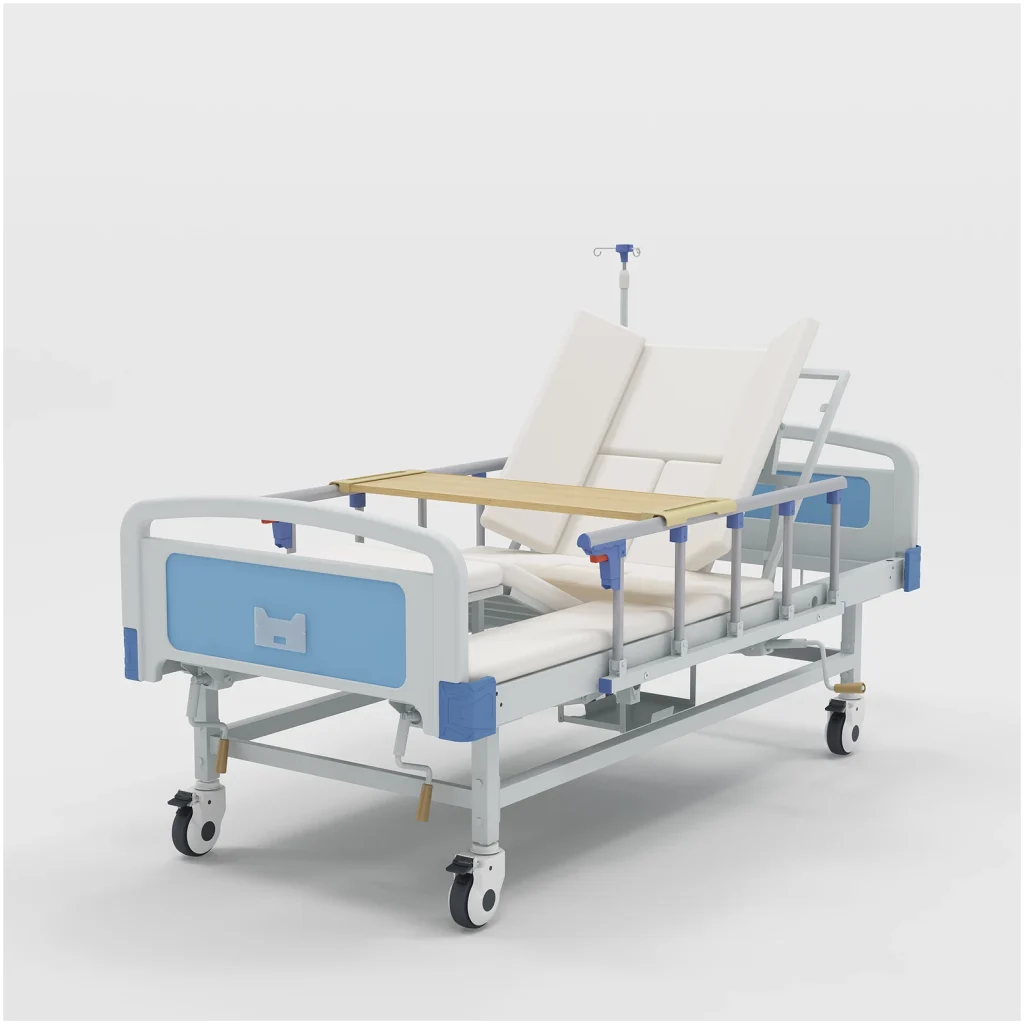
Modern adjustable or electric nursing beds make it easier for caregivers to implement proper bed positioning in nursing. With motorized adjustments for backrest, knee support, and height, they allow safer and more efficient repositioning without physical strain.
Key Features for Safe Bed Positioning:
-
Electric controls for precise adjustments
-
Trendelenburg and reverse Trendelenburg settings
-
Removable side rails and locking wheels
-
Pressure-relief mattresses to minimize skin breakdown
These features not only improve the patient’s comfort but also ensure the caregiver can maintain correct posture and workflow efficiency.
5. Conclusion
Understanding bed positions in nursing and proper nursing bed restraint positions is fundamental to safe, ethical, and effective patient care.
Correct positioning promotes comfort, aids treatment, and prevents complications — while responsible restraint practices protect both patient and caregiver from harm.
When combined with advanced adjustable nursing beds, modern healthcare settings can deliver safer, more dignified, and more responsive patient care.


