

Introduction
Oxygen therapy is a lifeline for people with chronic respiratory conditions such as COPD, pulmonary fibrosis, and heart failure. However, when it comes to overnight use of oxygen concentrators, many patients and caregivers hesitate: Is it safe to leave the machine on all night? Could it pose hidden dangers?
This guide provides a comprehensive overview of nighttime oxygen concentrator use — blending clinical insights with practical safety considerations — so users can make informed decisions based on science, not guesswork.
The Role of Oxygen Concentrators in Sleep
During sleep, even healthy individuals experience a slight drop in blood oxygen levels due to slower, shallower breathing. For people with compromised lung function, this drop can become dangerous, triggering symptoms like:
-
Morning headaches
-
Restless sleep
-
Nocturnal shortness of breath
-
Increased risk of heart arrhythmias or pulmonary hypertension
A home oxygen concentrator helps by providing a controlled flow of concentrated oxygen throughout the night, maintaining healthy saturation levels and easing the burden on the cardiovascular system.
People Who May Need Oxygen Concentrators While Sleeping:
1. Patients with Sleep Apnea (especially Central or Complex types)
-
Especially when CPAP therapy alone isn’t enough.
-
Some develop low oxygen saturation despite airway pressure support.
2. Chronic Obstructive Pulmonary Disease (COPD)
-
Many COPD patients experience desaturation during sleep, particularly during REM stage.
3. Interstitial Lung Disease (ILD) or Pulmonary Fibrosis
-
These conditions limit oxygen exchange, especially at night when breathing naturally slows.
4. Congestive Heart Failure (CHF)
-
Fluid buildup and poor circulation can reduce blood oxygenation during sleep.
5. Severe Asthma or Nocturnal Asthma
-
May cause breathing difficulty and oxygen drop while sleeping.
6. People with Obesity Hypoventilation Syndrome (OHS)
-
Inadequate breathing due to excess weight leads to chronic low oxygen levels, especially at night.
7. Neuromuscular Disorders
-
Conditions like ALS or muscular dystrophy may impair breathing muscles, requiring oxygen support during sleep.
8. High-Altitude Sleepers
-
People sleeping at high elevations (e.g., above 8,000 feet/2,400 meters) may experience lower oxygen saturation and need supplemental oxygen.
Is It Safe to Leave a Home Oxygen Concentrator On Overnight?
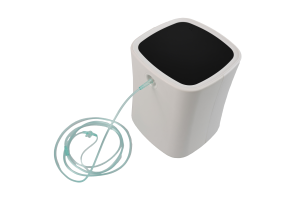
Yes — under proper medical supervision, running an oxygen concentrator overnight is both safe and often medically necessary. These devices are specifically engineered to operate for long durations, including 8–12 hours of continuous use.
However, “safe” doesn’t mean “risk-free.” To ensure safety, users must follow guidelines for:
-
Medical appropriateness (is oxygen therapy even needed?)
-
Device operation (is it being used correctly?)
-
Environmental safety (are fire risks minimized?)
Important Tip: Never self-prescribe oxygen. Too much oxygen can be harmful, especially for people with chronic CO₂ retention, like those with COPD.
Medical Oversight: Why a Prescription Is Essential
In most countries, including the U.S., oxygen therapy is regulated as a prescription-only treatment. This is because:
-
Oxygen is a drug: Excess oxygen can cause oxygen toxicity, particularly in people with chronic hypercapnia.
-
Flow rate calibration is critical: A doctor must determine the ideal liters per minute (LPM) based on arterial blood gas or pulse oximetry results.
-
Sleep-related needs vary: Some patients may only need oxygen while asleep, others 24/7.
A licensed physician will typically recommend a sleep study or nocturnal oximetry test to determine if supplemental oxygen is needed during sleep and at what level.
More details about prescription for home oxygen concentrator here: How to Get a Home Oxygen Concentrator: Prescription, Costs, and Medicare Coverage Explained
Physiological Risks of Inappropriate Oxygen Use
Leaving a concentrator running all night without proper medical instruction can result in several adverse effects:
1. Oxygen Toxicity
Excess oxygen can depress respiratory drive, especially in people with COPD, potentially leading to CO₂ narcosis, confusion, or respiratory acidosis.
2. Fire Hazard
Oxygen enriches the air, increasing the flammability of surrounding materials. Smoking or open flames in the vicinity become exponentially more dangerous.
3. Nasal and Airway Dryness
Continuous oxygen can dry out nasal passages and the upper respiratory tract, leading to discomfort, nosebleeds, or increased infection risk.
4. Mask Misalignment
During sleep, a nasal cannula or face mask may shift, disrupting oxygen flow and rendering therapy ineffective for hours.
Read this blog to learn more about everything you should know about home oxygen concentrator safety: The Ultimate Guide to Home Oxygen Concentrator Safety: Dos, Don’ts, Hidden Hazards, and Medical Risks
Engineering Safety: How Home Oxygen Concentrators Are Designed for Overnight Use
Modern oxygen concentrators are equipped with:
-
Heat management systems for continuous operation
-
Noise-dampening technology for quiet night use
-
Low-oxygen alarms to detect flow interruptions
-
Power failure alerts (for high-end models)
Still, proper use demands some critical precautions.
Nighttime Safety Best Practices
Here are evidence-based precautions to follow when using a home oxygen concentrator overnight:
Ensure Stable Power Supply
-
Plug directly into the wall — avoid extension cords.
-
Consider a backup generator or battery in areas with unreliable electricity.
Maintain Safe Device Placement
-
Keep at least 1–2 feet of space around the concentrator for ventilation.
-
Never cover the device or place it near heat sources.
Eliminate Combustion Risks
-
No smoking or open flames in the room.
-
Avoid oil-based lotions, cleaning sprays, or flammable bedding.
Optimize Humidification
If dryness becomes an issue, use a built-in or external humidifier bottle, especially in colder climates or with high flow rates.
Conclusion: Balancing Medical Necessity with Practical Safety
Running an oxygen concentrator all night can significantly improve quality of life and reduce serious health risks — but only when done under clinical supervision and with full awareness of fire safety, overdose risk, and device management.
Frequently Asked Questions
How many hours is too many for an oxygen concentrator?
There is no strict upper limit on the number of hours a home oxygen concentrator can run, as long as it’s properly maintained and ventilated. High-quality machines are designed for 24/7 operation and can safely run for thousands of hours over their lifetime.
However:
-
Continuous use over 8–16 hours daily should be supported with routine filter checks and annual servicing to avoid overheating or reduced performance.
-
For patients, usage duration should strictly follow your prescription. Overuse (without need) may increase risks like oxygen toxicity or CO₂ retention in certain lung conditions.
What is the lowest your oxygen level should go while sleeping?
The ideal oxygen saturation (SpO₂) during sleep should stay above 90%. According to the American Thoracic Society and sleep medicine guidelines:
-
Normal: 95–100%
-
Mild desaturation: 90–94%
-
Below 90%: Indicates hypoxemia and may require oxygen therapy
If your levels drop below 88% for more than five minutes, your doctor may recommend a sleep study or overnight pulse oximetry to assess whether nocturnal oxygen therapy is needed.
What are the symptoms of low oxygen at night?
Low oxygen levels during sleep (nocturnal hypoxemia) can lead to serious symptoms and long-term health risks. Common symptoms include:
-
Morning headaches
-
Restless or poor sleep
-
Frequent waking up gasping for air
-
Night sweats
-
Daytime fatigue or confusion
-
Fast or irregular heartbeat
-
Bluish tint to lips or fingertips
If you or a loved one exhibits these symptoms, it’s crucial to consult a doctor immediately. Continuous monitoring or home oxygen may be prescribed to stabilize blood oxygen during sleep.


