

Your electric wheelchair is more than a mobility aid—it’s your path to independence and freedom. At the heart of that freedom lies the battery. A well-maintained battery not only ensures reliability but also protects your investment by extending its lifespan. In this guide, we’ll explore practical, science-backed strategies to maximize battery performance and minimize degradation.
Key Factors That Affect Battery Life
Several environmental and behavioral factors contribute to battery wear:
- Temperature extremes: Heat accelerates degradation; cold reduces performance.
- Charging patterns: Overcharging or undercharging both shorten life.
- Depth of Discharge (DOD): Frequently depleting below 50% reduces cycle count.
- Usage frequency: Irregular use can be just as harmful as overuse.
- Storage environment: Humidity and poor ventilation can corrode terminals.
- Load and terrain: Heavier loads or rough terrain increase power demand.
How to Extend the Battery Life of Your Electric Wheelchair
When it comes to electric wheelchair battery life maintenance, the goal is to maximize both lifespan and daily performance. Here’s what you need to know:
1. Charging Best Practices
-
Charge Daily: Even if not fully drained, top up the battery after each use to maintain optimal health.
-
Avoid Deep Discharge: Never let the battery run completely flat; this can cause permanent capacity loss.
-
Don’t Overcharge: Use a smart charger or unplug once fully charged to avoid overheating.
2. Storage Guidelines
-
Partial Charge: If storing the wheelchair for weeks/months, leave the battery at 50–70% charge.
-
Avoid Extreme Temperatures: Store in a cool, dry place; heat accelerates chemical degradation, while cold reduces performance.
-
Periodic Charging: Recharge at least once every 4–6 weeks during inactivity.
3. Usage Tips
-
Avoid Overloading: Exceeding the weight limit strains the battery and motor.
-
Smooth Driving: Rapid starts/stops consume more power than steady driving.
-
Plan Routes: Minimize steep inclines and rough terrain that drain power faster.
4. Maintenance & Care
-
Clean Terminals: Dirt or corrosion reduces charging efficiency.
-
Check Wiring: Loose or frayed connections can cause power loss.
-
Professional Inspection: Have the battery tested yearly for capacity and safety.
5. Battery Type Matters
-
Lithium-ion: Lighter, longer-lasting (3–5 years), less maintenance.
-
Lead-acid: Cheaper but needs regular topping off and lasts 1–2 years.
6. Upgrade Options
-
If range is decreasing significantly, consider upgrading to a higher-capacity lithium battery or brushless motor to extend daily mileage.
Lithium-Ion vs. Lead-Acid: Which Electric Wheelchairs Battery is Better
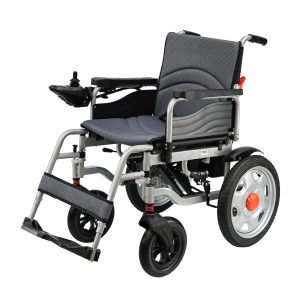
Electric wheelchairs typically use one of two types of rechargeable batteries:
- Sealed Lead Acid(SLA): Affordable and widely used, but heavier and with shorter lifespans.
- Lithium-ion: Lightweight and longer-lasting, though more expensive upfront.
When selecting an electric wheelchair, the battery technology you choose will directly impact range, reliability, maintenance requirements, and long-term costs. At YOYI CARE, we’ve seen firsthand how battery performance shapes a user’s mobility experience. Here’s a deep dive into the two dominant battery types—lithium-ion and lead-acid—to help you make an informed decision.
1. Weight and Energy Density
-
Lithium-Ion: These batteries are 50–60% lighter than lead-acid counterparts of the same power rating. The high energy density means you get longer range without increasing chair weight, which also reduces strain on the motors and frame.
-
Lead-Acid: Significantly heavier, leading to bulkier chairs that are harder to transport and less efficient on hills or uneven terrain.
2. Lifespan and Charge Cycles
-
Lithium-Ion: Typically lasts 3–5 years with 800–1,000+ charge cycles, retaining up to 80% capacity even after extended use.
-
Lead-Acid: Lasts 1–2 years with 300–500 cycles, and capacity degradation starts much earlier.
3. Maintenance Requirements
-
Lithium-Ion: Maintenance-free, no water topping or equalization needed. Self-balancing electronics manage cell health.
-
Lead-Acid: Requires regular checks to prevent sulfation, needs topping off with distilled water, and may require equalizing charges to balance cell voltage.
4. Charging Speed and Efficiency
-
Lithium-Ion: Charges 30–50% faster, often reaching full capacity in 4–6 hours. Delivers more consistent power output, avoiding performance dips as the battery drains.
-
Lead-Acid: Takes longer (8–12 hours) to charge and gradually loses voltage during discharge, which can reduce motor performance mid-day.
5. Range and Performance
-
Lithium-Ion: Higher efficiency and lower internal resistance translate to 20–40% longer travel distance per charge, especially under heavy loads or on inclines.
-
Lead-Acid: Limited by lower efficiency, meaning less real-world range and reduced reliability for active users.
6. Environmental Impact
-
Lithium-Ion: Longer lifespan and lighter weight reduce waste and energy consumption over time.
-
Lead-Acid: Contains hazardous lead and aci
-
d, requires careful disposal, and contributes to more frequent battery replacements.
7. Cost Considerations
-
Lithium-Ion: Higher upfront cost but lower lifetime cost due to longer lifespan, fewer replacements, and improved energy efficiency.
-
Lead-Acid: Cheaper initially, but frequent replacements and higher maintenance can make it more expensive long term.
YOYI CARE’s Approach
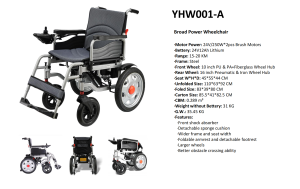
All YOYI CARE electric wheelchairs exclusively use advanced lithium-ion batteries. Our decision is based on extensive R&D and user testing showing that lithium-ion technology delivers:
-
Extended range for full-day mobility
-
Lighter, easier-to-handle chairs
-
Reduced maintenance and downtime
-
Better total value over years of use
For users and care facilities looking for reliable, modern mobility solutions, lithium-ion batteries are no longer a luxury—they are the industry standard for safety, efficiency, and long-term performance.
Check out our blog Types of Power Wheelchairs and Their Differences to explore various types of power wheelchairs and how they differ in battery performance.
Does a New Wheelchair Need to be Fully Charged Before First Use?
Lithium-Ion Battery
-
No Need for Long First Charge: Unlike older battery types, lithium-ion batteries do not require an 8–12 hour “conditioning charge” before first use.
-
Why: Lithium-ion cells are pre-calibrated at the factory and don’t develop a “memory effect.”
-
Best Practice: A short top-up to 100% before first use ensures you start with full range, but it won’t affect long-term lifespan if you skip it.
Lead-Acid Battery
-
Requires Full First Charge: Lead-acid batteries benefit from being fully charged before initial use. This ensures all cells are balanced and helps prevent early sulfation.
-
Typical First Charge: 8–12 hours before you ride.
Pro Tip:
-
Check your wheelchair’s user manual. Some models with smart Battery Management Systems (BMS) may specifically recommend an initial full charge for calibration purposes.
-
Regardless of battery type, avoid fully discharging your battery during the first few uses—it can stress new cells.
Should I Fully Charge Power Wheelchair Battery After Every Use
1. Lithium-Ion Batteries
-
Best Practice: Keep them between 20–80% charge when possible.
-
Full Charging: Safe occasionally but not necessary every time. Constantly keeping at 100% can slightly stress the cells over years.
-
Deep Discharge: Avoid letting it drop below 10–15%, as deep cycling accelerates wear.
-
Storage: If unused for weeks, store at 50–70% and recharge periodically.
2. Lead-Acid Batteries
-
Best Practice: Fully charge after every use.
-
Partial Charging: Can cause sulfation (hardening of plates), permanently reducing capacity.
-
Deep Discharge: Should also be avoided, but they tolerate it better than lithium-ion.
Practical Tip:
-
For daily use, plug in your lithium-ion wheelchair after each trip, but it’s fine to unplug once it reaches around 80–90%.
-
Occasional full charges (once every few weeks) can help recalibrate the battery management system (BMS).
FAQs
1. How long should an electric wheelchair battery last?
Most electric wheelchair batteries last 1 to 2 years, but with proper maintenance and if using high-quality lithium-ion batteries, they can last up to 3–5 years. Battery lifespan depends on usage frequency, weight load, terrain, and charging habits.
2. How to recondition a wheelchair battery?
Lead-acid batteries can sometimes be reconditioned through deep cycling and equalization charging, but results are limited and not always safe. Lithium-ion batteries cannot be reconditioned and should be replaced when capacity drops significantly.
3. Can you overcharge an electric wheelchair battery?
Modern wheelchairs with smart chargers automatically stop charging when full, preventing overcharge. However, leaving the battery connected for extended periods on older models without this feature can cause overheating and shorten battery life.
4. How often should you charge an electric wheelchair?
It’s best to charge your wheelchair daily, especially after use. Avoid fully draining the battery, as deep discharges shorten its lifespan.
5. Should I leave my electric wheelchair on charge all the time?
No. While modern chargers stop charging automatically, it’s best to unplug once fully charged to prevent unnecessary heat buildup and extend battery life.
6. Is it better to keep the power of a power wheelchair on or keep turning it off?
Always turn off the wheelchair when not in use. Leaving it on continuously drains the battery and may cause unnecessary wear on the electronic components.


