

1. Overview
For electric wheelchair users, battery reliability is critical. The range per charge determines how far one can go in a day, while battery lifespan impacts long-term usability and costs. Understanding the factors that influence both is essential for making informed purchase and maintenance decisions.
2. Typical Battery Lifespan
Most electric wheelchair batteries last between 1 to 2 years, but the exact lifespan can vary widely based on:
- Battery Type: Lithium-ion batteries can last 3–5 years or longer, while lead-acid types typically have a shorter life.
- Usage Frequency: Heavy daily use wears out batteries faster than occasional, light use.
- Charging Habits: Improper charging routines—like overcharging or letting the battery drain completely—can reduce lifespan.
3. Average Range Per Charge
Electric wheelchairs generally offer a range of 10 to 20 miles per charge. However, this varies depending on:
- Battery Capacity:
- Lead-Acid: 8–10 miles
- Lithium-Ion: 15–20 miles or more
- Motor Efficiency:
- Brushed Motors: More friction, less efficient
- Brushless Motors: Better energy use, longer range
- User and Chair Weight:
- Heavier loads require more power and reduce range
- Lightweight aluminum or carbon fiber frames improve performance
- Terrain Conditions:
- Flat, smooth terrain extends range
- Hills and rough ground shorten it significantly
Frame Material’s Role in Range
The material used for a wheelchair’s frame significantly affects total range by influencing the overall weight of the unit. Lighter materials reduce strain on the motor and battery, thereby extending distance per charge:
- Carbon Fiber Frames: Ultra-lightweight with excellent strength-to-weight ratio. They minimize power demand, offering the longest range. Ideal for users with frequent, long-distance needs.
- Aluminum Frames: Lightweight and cost-effective. Offer solid range performance with a balance of weight and durability.
- Steel Frames: Heaviest among the three, resulting in more energy consumption and shorter range. Suitable for indoor or shorter-distance applications.
4. Real-World Comparison: Why YOYI Care’s Electric Wheelchairs Have Different Ranges
Choosing an electric wheelchair often comes down to one key metric: how far can it go on a single charge? YOYI Care offers three distinct models built with different materials, motor technologies, and battery capacities — each configuration designed for specific user needs. Let’s break down how these engineering decisions affect real-world range.
YHWT-001 Carbon Fiber Electric Wheelchair
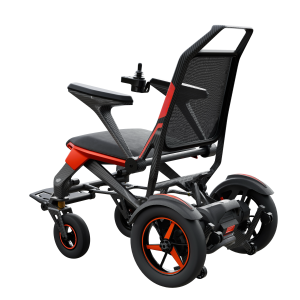
- Motor Power: 24V/200W × 2 (Brushless Motors)
- Battery: 24V20Ah Lithium
- Range: Up to 40 km
- Frame Material: Carbon Fiber
Why it goes further:
- Battery Capacity: The 20Ah lithium battery stores significantly more energy than standard 12Ah units, allowing for extended driving hours without recharging.
- Brushless Motor Efficiency: Brushless motors operate with minimal internal friction, consuming less energy per mile.
- Lightweight Frame: Carbon fiber drastically reduces total chair weight, placing less load on the motor and battery. This optimizes power usage and extends range, especially in long-distance or outdoor settings.
- Ideal For: Users who need long-range mobility, commute outdoors frequently, or prioritize high performance.
YHW001-D1 Steel Electric Wheelchair
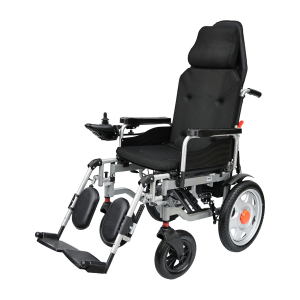
- Motor Power: 24V/250W × 2 (Brushed Motors)
- Battery: 24V12Ah Lithium
- Range: 15–20 km
- Frame Material: Steel
Why the range is shorter:
- Motor Type: Brushed motors generate more friction and heat, reducing electrical efficiency and wasting energy — especially over long distances.
- Battery Size: The smaller 12Ah lithium battery stores less energy, limiting travel time.
- Heavier Frame: Steel is the densest of the three materials. Its added weight forces the battery to work harder, especially on inclines or uneven terrain.
- Ideal For: Institutional or indoor use, such as hospitals or eldercare centers, where travel distances are short and robustness is more important than portability.
YHWL-002 Silver Aluminum Electric Wheelchair
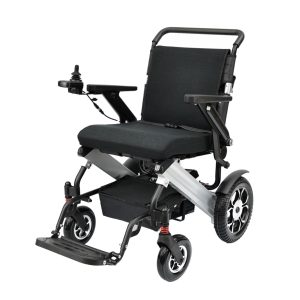
- Motor Power: 24V/250W × 2 (Brushless Motors)
- Battery: 24V12Ah Lithium
- Range: 20–25 km
- Frame Material: Aluminum Alloy
Why it strikes a balance:
- Motor Type: The brushless configuration here delivers more energy efficiency compared to brushed motors, helping make the most of the 12Ah battery.
- Midweight Frame: Aluminum offers a solid middle ground between steel and carbon fiber — lighter than steel but more affordable than carbon fiber.
- Power-to-Weight Ratio: While its battery isn’t as large as the YHWT-001’s, the efficient motor and moderate frame weight allow for decent range performance.
- Ideal For: Users who want a good balance of weight, cost, and mileage — suitable for moderate daily use both indoors and outdoors.
Side-by-Side Summary Table
|
YOYI CARE |
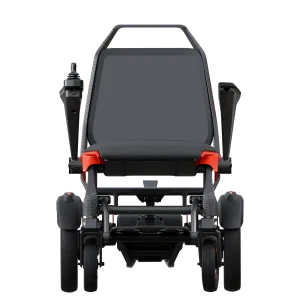
YHWT-001 (Carbon Fiber) |

YHWL-002 (Aluminum) |
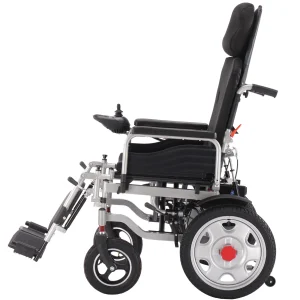
YHW001-D1 (Steel) |
|---|---|---|---|
| Battery Capacity | 24V20Ah | 24V12Ah | 24V12Ah |
| Motor Type | Brushless | Brushless | Brushed |
| Motor Power | 200W × 2 | 250W × 2 | 250W × 2 |
| Range per Charge | Up to 40 km | 20–25 km | 15–20 km |
| Frame Material | Carbon Fiber | Aluminum Alloy | Steel |
| Total Frame Weight | Lowest | Moderate | Highest |
| Efficiency Rating | ★★★★★ | ★★★★☆ | ★★☆☆☆ |
5. Factors That Shorten Battery Life and Range
- User Weight and Added Load: Heavier users and cargo require more energy, directly affecting battery life and the distance covered.
- Rough or Inclined Terrain: Uphill or uneven surfaces put more strain on the motor, increasing power consumption.
- Improper Charging: Frequent deep discharges or constant overcharging damage battery cells over time.
- Temperature Extremes: Cold environments can reduce chemical efficiency in batteries, while heat may degrade battery performance prematurely.
- Frequent Starts and Stops: Increases energy draw, especially in high-torque motor settings.
- Poor Tire Maintenance: Underinflated or worn tires increase resistance and lower overall mileage.
If you’re looking for practical tips to extend your power wheelchair’s battery life, our blog dives into everything you need to know: How to Extend the Battery Life of Your Electric Wheelchair
6. Understanding Battery Technology
Lead-Acid Batteries:
- Pros: Low upfront cost, widely available
- Cons: Heavy, require frequent maintenance, shorter lifespan, prone to deep discharge damage
- Best for: Budget models or occasional use
Lithium-Ion Batteries:
- Pros: Lightweight, longer lifespan (3–5 years), faster charging, better energy efficiency
- Cons: Higher initial cost, sensitive to extreme temperatures
- Best for: Active daily users, long-distance needs, modern models
Note: Lithium iron phosphate (LiFePO4) batteries are an advanced lithium subtype offering better thermal stability, safety, and life cycles.
7. Choosing the Right Motor for Maximum Efficiency
Brushed Motors:
- Pros: Affordable, simple to manufacture and maintain
- Cons: More internal friction, frequent brush replacement needed, less efficient
- Use Case: Cost-conscious users who need basic performance
Brushless Motors:
- Pros: Quiet, longer-lasting, highly efficient with lower energy loss
- Cons: Higher upfront cost, requires more sophisticated control electronics
- Use Case: Users seeking durability, long range, and minimal maintenance
8. How to Choose a Long-Range Electric Wheelchair
If maximizing range is your top priority, here’s what to look for:
- Battery Size: A lithium-ion battery with 20Ah or more is preferred. Higher capacity means more stored energy.
- Motor Type: Select brushless motors for efficiency and lower power consumption.
- Light Frame Material: Carbon fiber is best for ultra-lightweight needs; aluminum is a strong second.
- Aerodynamics & Rolling Resistance: Smooth tires and streamlined frames reduce resistance.
- Smart Features: Look for an intelligent BMS that balances cells and prevents overcharging.
- Driving Modes: Eco-driving modes extend battery life.
- Terrain Compatibility: Larger rear wheels or all-terrain tires reduce drag on challenging surfaces.
- Brand Reputation & Testing: Choose brands that offer real-world range data and support testing under different loads and terrain types.
To help you make an informed choice when choosing an electric wheelchair, we recommend you to read our Electric Wheelchair Buying Guide (9 Hidden Pitfalls to Avoid).
9. Final Thoughts: Planning for Your Daily Range
If your lifestyle involves long-distance travel or outdoor use, prioritize high-capacity lithium batteries, brushless motors, and lightweight wheelchair frames. For indoor or short-distance users, a standard lead-acid battery with efficient charging may suffice.
No matter the model, proper maintenance and informed usage habits significantly impact both battery life and how far you can go on a single charge.


