

Introduction: Navigating a Crowded Market with Confidence
With over 3.6 million Americans relying on wheelchairs for mobility, electric wheelchairs are no longer niche products. However, growing demand has also led to a flood of poorly manufactured, misleadingly marketed, or even unsafe models. According to data from the U.S. Consumer Product Safety Commission (CPSC) and wheelchair-related recalls, electric wheelchair incidents have risen steadily, many stemming from structural issues, misleading features, or lack of safety compliance. This guide distills findings from user reviews, FDA advisories, and mobility expert feedback to highlight the top purchasing traps to avoid.
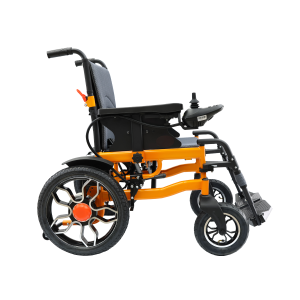
1. Structural Flaws: Hidden Dangers in Folding Mechanisms
Weak Hinges
Some budget folding electric wheelchairs sold on major platforms use low-grade alloys for hinge components, compromising safety. Testing by independent labs revealed that certain hinges cracked under just 60% of their rated load. For users over 200 lbs or with active lifestyles, this could result in collapse during use.
Inferior Wheel Hubs and Bearings
Cheap knockoff brands often skip precision wheel hub engineering. Poorly aligned or undersized ball bearings can lead to uneven wear, poor maneuverability, or complete wheel failure. Look for sealed bearings, and avoid models with no listed part specifications.
2. Material Misrepresentation: Don’t Fall for the Buzzwords
“Aerospace Aluminum”
While 6061-T6 aluminum is widely used, it is often falsely marketed as “aerospace grade.” Real aerospace-grade aluminum (e.g., 7075-T6) has up to 40% higher tensile strength. Reputable manufacturers will list the specific alloy used.
“Medical-Grade Plastics”
Generic thermoplastics are often labeled as “medical grade” without FDA or ISO certification. Always check if parts touching the skin (armrests, seat frames) are BPA-free and tested per ISO 10993 standards.
3. Safety System Illusions: Beware of Cosmetic Features
Brake Performance
Some dual-brake systems claim safety but lack emergency responsiveness. In cold climates, rubberized brakes may lose friction. High-quality models use disc brakes or magnetic braking tested under varying temperatures.
Safety Harnesses
Many “safety belts” are little more than elastic straps. For clinical-grade use, ensure the wheelchair has a minimum 5-point harness, especially for users with posture control needs.
4. Comfort Gimmicks That Can Harm
Seat Cushions and Foam
Avoid models that use uncertified memory foam. Some imported seats have tested positive for formaldehyde and other VOCs. Choose cushions labeled with CertiPUR-US or ISO 5970.
Backrest Ergonomics
Most imported chairs have fixed back angles (110° or more), which can strain the lower spine. Research from the Mayo Clinic suggests optimal lumbar support comes from backrests angled between 95° and 100° with adjustable lumbar pads.
5. Hidden Costs: What “Free Upgrades” Really Mean
Upcharge Policies
Be wary of free battery upgrade offers that include hidden “activation” or “setup” fees exceeding $500. Some providers bundle services not listed in warranties.
Service Contracts
Some U.S. retailers push unnecessary “deep diagnostics” or brand-specific maintenance packages. Check whether your warranty covers local repairs, and avoid chairs that require exclusive servicing centers.
6. Misleading Tech: The Smart Chair Trap
Voice Control Overpromises
Chairs boasting “multi-language AI voice control” often underperform in noisy environments or with diverse accents. Real-world tests show only 40-60% recognition accuracy unless paired with advanced chipsets like Qualcomm QCC series.
Obstacle Detection
Some smart chairs advertise lidar systems, but use IR sensors with <2m range. Look for dual-mode systems that combine mmWave radar and computer vision, which can detect stairs, glass, and low-clearance obstacles reliably.
7. Poor Fit for Vulnerable Users
Pediatric Use
Some kids’ wheelchairs lack adjustable seat depth or grow-with-me designs. For children, prioritize chairs with multi-axis adjustability and quick release components.
Senior Accessibility
Many “senior-friendly” models fail on practical details. Button heights may not be reachable, and few offer voice-assisted SOS, tilt-in-space, or pressure-relief functions required for long-term use in assisted living.
8. Battery: Overpromised Range, Underspecified Cells
Common Issues:
- Fake Range Claims: Some models claim 30 km range but only deliver 12–15 km under real conditions.
- Low-Grade or Recycled Cells: Cheap lithium batteries may overheat or degrade quickly.
- Non-Removable Battery Packs: Fixed batteries make repair or replacement expensive.
What to Look For:
- Clear specs like voltage (24V) and amp-hours (e.g., 20Ah).
- Look for UN38.3-certified lithium packs with mainstream brands.
- Prioritize removable battery systems with common connectors.
9. Motor: Power Mismatch and Poor Durability
Common Issues:
- Undersized Motors: Real output far below claimed wattage, failing on hills or with heavier users.
- No Brand Transparency: Vague terms like “high-torque motor” without spec sheets.
- Overheating and Breakdown: Motors with poor heat management burn out faster.
What to Look For:
- Choose motors with ≥250W continuous power output.
- Ask for CE or RoHS-certified motors with documented load testing.
- Dual-motor systems are better for stability and climbing performance.
Conclusion: Choose Smart, Stay Safe
Electric wheelchairs or power wheelchairs are a lifeline for many, but not all products on the market deserve your trust. Always check for FDA clearance, ISO certifications, transparent material sourcing, and real-world testing data. Avoid models that prioritize gimmicks over function, and work with dealers who offer real after-sale service, not just flashy specs. In mobility, safety and durability aren’t features—they’re essentials.
Read more: Steel vs Aluminum vs Carbon Fiber: Which Frame Material Is Best for Electric Wheelchairs?


