

As the demand for home healthcare grows, having the right nursing equipment at home has become more important than ever. Whether you are caring for an elderly family member, a chronic illness patient, or someone recovering from surgery, having the right tools ensures safety, comfort, and efficiency. From home medical monitors to home care medical beds, investing in essential nursing equipment can make a significant difference in quality of care.
1. Essential Life-Sign Monitoring Equipment
Monitoring vital signs at home is critical to early detection of potential health issues. Regularly checking blood pressure, blood sugar, heart rate, and body temperature allows families to respond quickly and prevent complications.
Blood Pressure Monitors
Home blood pressure monitors provide an easy and accurate way to track blood pressure trends. Modern digital monitors often include memory functions to store readings over time, helping caregivers and doctors identify potential issues such as hypertension or hypotension early. Arm-style monitors are generally more accurate, while wrist monitors offer convenience for elderly patients.
Blood Glucose Monitors
Diabetes management relies heavily on accurate blood glucose readings. Compact and user-friendly monitors allow patients to check glucose levels multiple times a day, track trends, and adjust diet or medication accordingly. Some advanced models can sync data to smartphone apps, providing caregivers and healthcare providers with valuable insights.
Pulse Oximeters
Pulse oximeters are essential for patients with respiratory conditions, such as COPD or post-COVID recovery. They measure blood oxygen saturation and heart rate within seconds, enabling early intervention if oxygen levels drop. For home use, fingertip pulse oximeters are simple, portable, and reliable.
Digital Thermometers
Fever is often the first indicator of infection. Digital thermometers, including infrared forehead models, allow quick, non-invasive temperature checks, ideal for monitoring elderly patients or children.
2. Mobility and Assistance Devices
For patients with limited mobility or recovering from surgery, safe movement around the home is crucial. Proper nursing equipment reduces the risk of falls and helps maintain independence.
Walkers and Canes
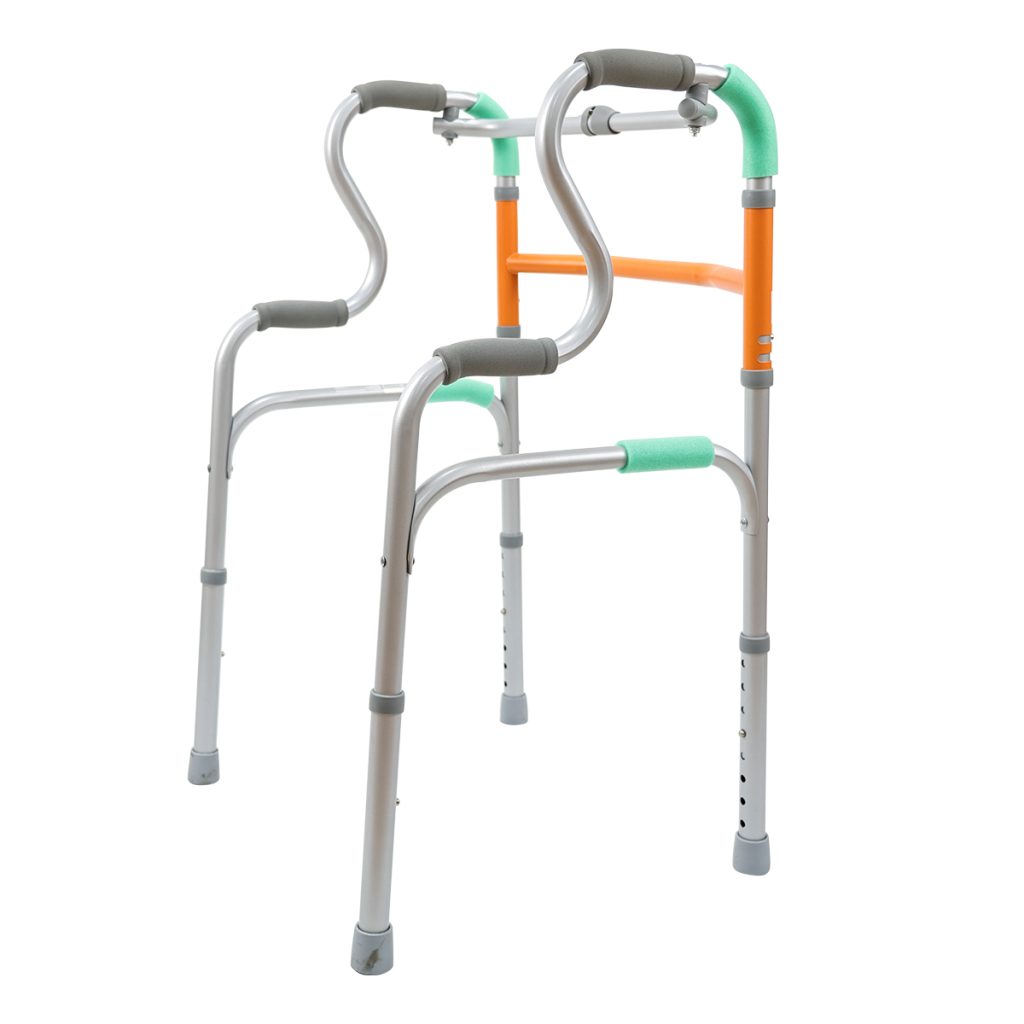
Walkers provide stability for individuals who have difficulty walking or maintaining balance. Adjustable-height walkers can accommodate different users, while canes are suitable for those who need minimal support. Many walkers come with wheels and storage baskets, adding convenience for daily tasks.
Related article: Is a Knee Walker Worth It?
Wheelchairs
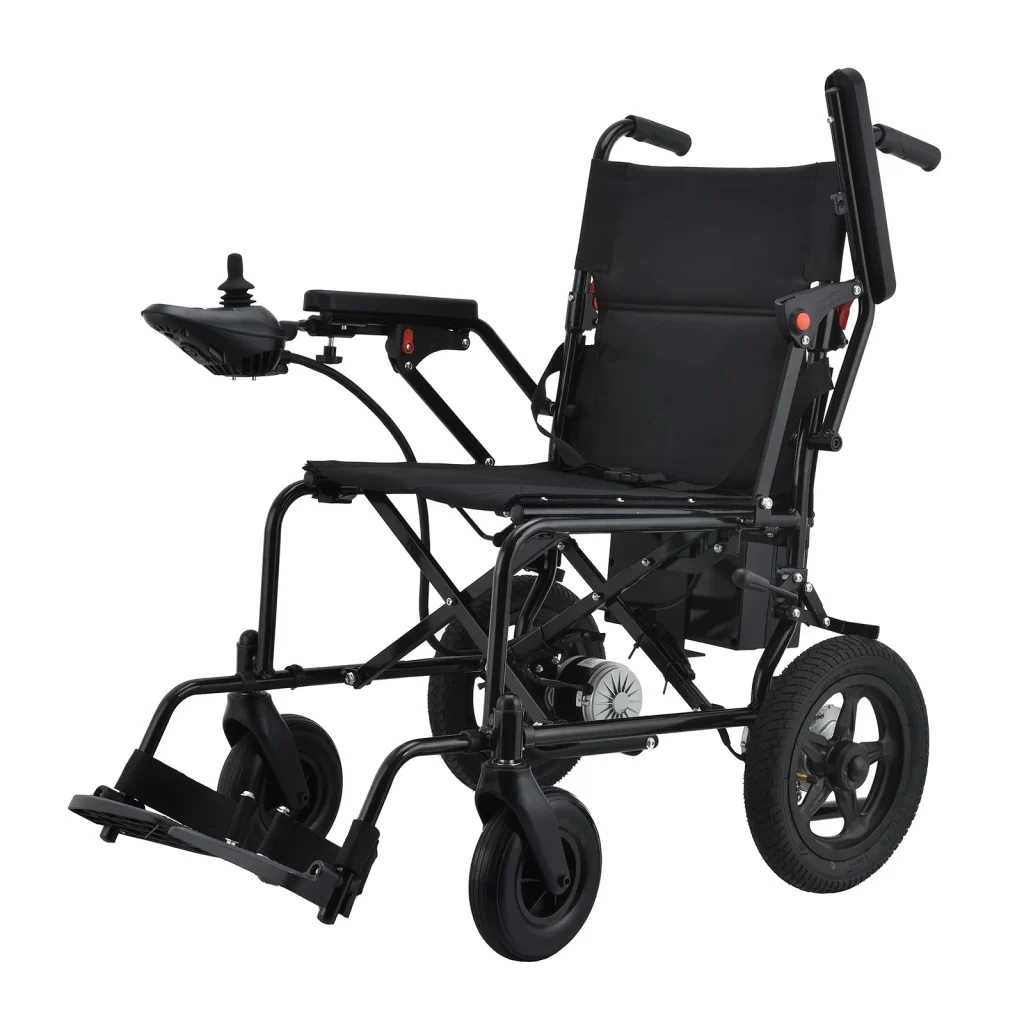
Wheelchairs are essential for individuals who cannot walk long distances. Manual wheelchairs are lightweight and cost-effective, whereas electric wheelchairs provide greater mobility and independence, especially for patients with severe mobility limitations. Choosing the right size and features, such as foldability and adjustable footrests, ensures safety and comfort.
Assistive Seat Rails & Lifting Devices
These devices help patients get in and out of chairs, beds, or bathtubs safely. Bedside rails, transfer belts, and small hoists reduce caregiver strain while preventing accidental falls. Many of these devices are compatible with home care medical beds, allowing seamless integration into daily routines.
Assess the patient’s mobility level and the home layout before purchasing assistive devices. Combining mobility aids with adjustable medical beds can greatly improve comfort and independence.
3. Daily Care Equipment
Comfortable and functional home care equipment is crucial for long-term wellbeing and easier caregiving. Proper setup improves quality of life for both patients and caregivers.
Home Care Medical Beds
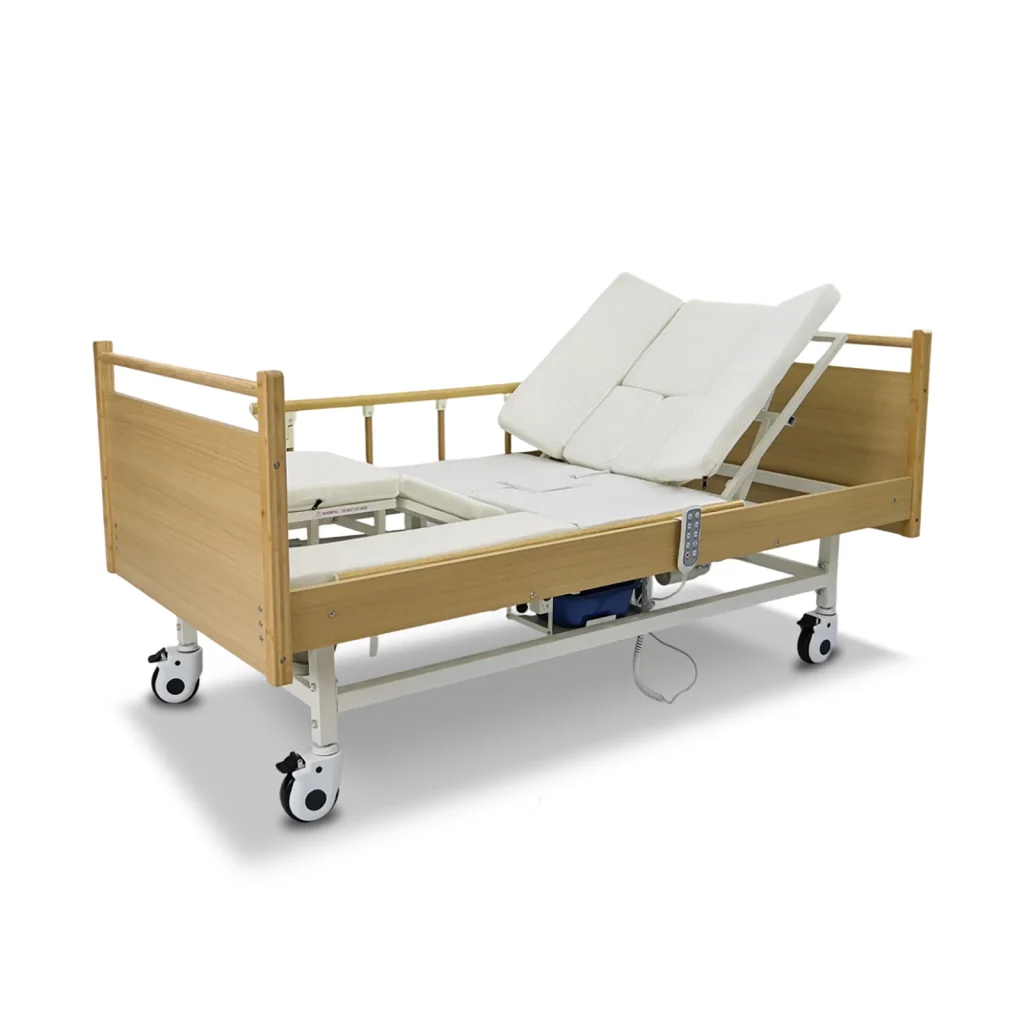
Adjustable beds are central to home healthcare. They allow patients to change positions easily, improve blood circulation, and assist caregivers with tasks like bathing and feeding. Modern beds come with features like remote-controlled positioning, side rails, and height adjustments, making them versatile for a range of needs.
Related article: Best Nursing Beds for Elderly Care
Anti-Decubitus Mattresses
Patients who spend extended periods in bed are at risk of developing pressure sores. Anti-decubitus mattresses redistribute pressure, reduce discomfort, and promote healthy skin. Some mattresses use alternating air cells, while others utilize foam or gel layers.
Bath Chairs and Commodes
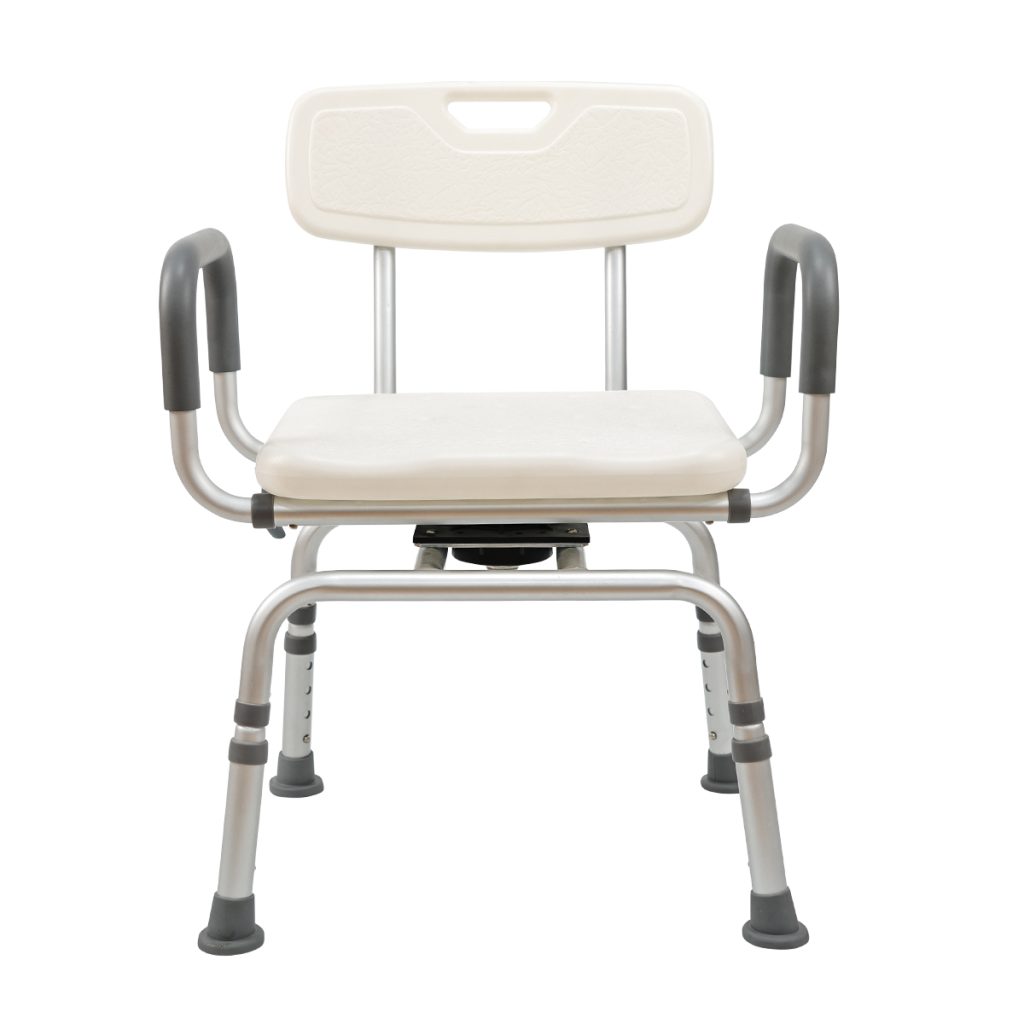
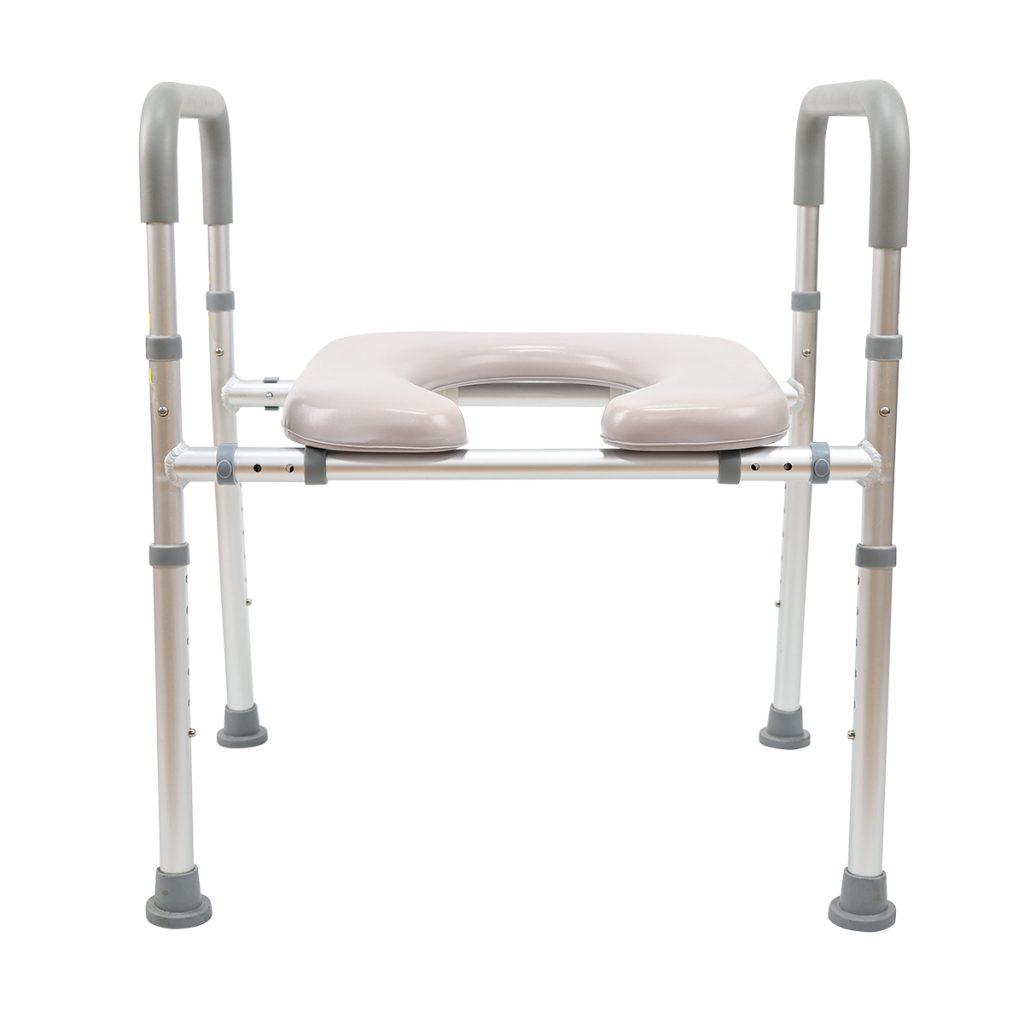
Maintaining hygiene safely is a priority in home care. Bath chairs provide stability for patients who cannot stand for long periods, while commodes offer convenience for nighttime bathroom needs. Some models are height-adjustable and foldable, making them suitable for small spaces.
Selecting ergonomic and durable equipment ensures comfort, safety, and efficiency. Investing in high-quality home care medical beds can significantly enhance overall home care experience.
Related article: What is a Bath Chair for the Elderly?
4. Rehabilitation and Therapy Equipment
Rehabilitation is a key part of recovery for patients post-surgery, injury, or chronic illness. Home therapy devices support mobility, strength, and flexibility.
- Hand and Leg Exercisers:Compact exercise devices allow patients to perform low-impact exercises at home. Pedal exercisers, resistance bands, and hand grip tools strengthen muscles and improve circulation, aiding in faster recovery.
- Massage Devices & Therapy Tools:Pain management and relaxation are vital for long-term care. Electric massagers, heating pads, and therapy tools help alleviate stiffness, improve blood flow, and reduce muscle soreness. Regular use can enhance mobility and prevent complications associated with immobility.
5. Medication and Respiratory Care Equipment
Proper management of medication and respiratory health is essential for chronic illness patients or those with respiratory conditions.
- Nebulizers: Delivering medications directly to the lungs, nebulizers are critical for patients with asthma, COPD, or other breathing difficulties. Home-use models are portable and easy to operate.
- Suction Devices:For patients with difficulty clearing their airways, suction devices prevent blockages and reduce the risk of infection. Portable suction machines are suitable for home care environments.
- Insulin Pens / Pumps: Diabetes patients require precise insulin delivery. Modern pens and pumps provide controlled doses, reduce errors, and allow for easy at-home management. Many devices also track dosage history digitally, supporting caregivers in monitoring patient compliance.
6. Conclusion
Equipping your home with essential nursing equipment ensures safety, comfort, and high-quality care. From life-sign monitors to home care medical beds, the right devices allow caregivers to provide efficient and effective support. Investing in home medical equipment not only improves patient well-being but also gives families peace of mind.
Prioritize safety, comfort, and functionality when choosing home nursing equipment. Contact us to find devices that best meet your family’s needs.


