

Caring for a loved one at home requires careful planning and the right equipment. A well-set-up home care bed can make a significant difference in comfort, safety, and overall quality of care for someone who is bedridden or has limited mobility. In addition to choosing the right bed, selecting the appropriate medical bed supplies like medical bed pads ensures both the patient and caregiver have a safer, more manageable experience. This guide will walk you through setting up a safe and comfortable home care bed step by step.
1. Choosing the Right Home Care Bed
The first step in creating a safe and comfortable environment is selecting the right home care bed. Key Considerations for Professionals and Families:
Bed Types and Mechanisms
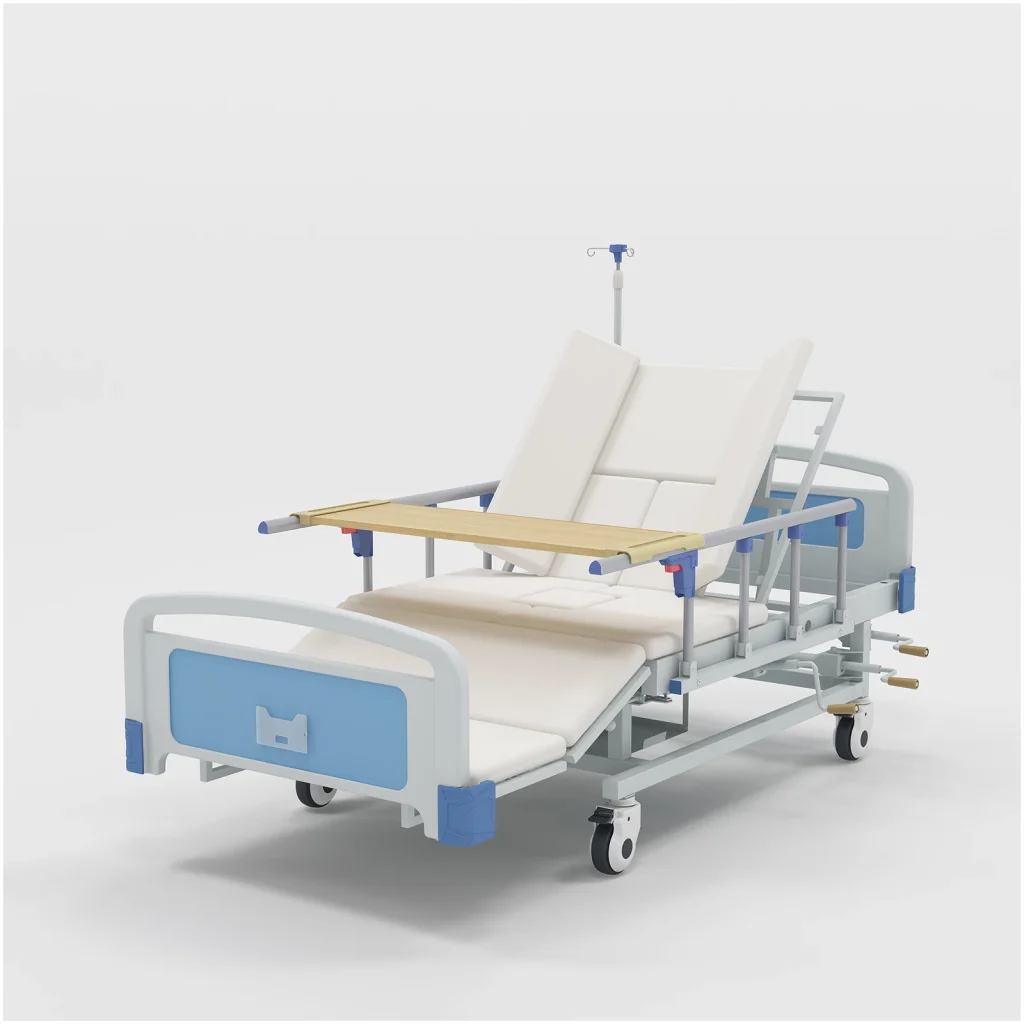
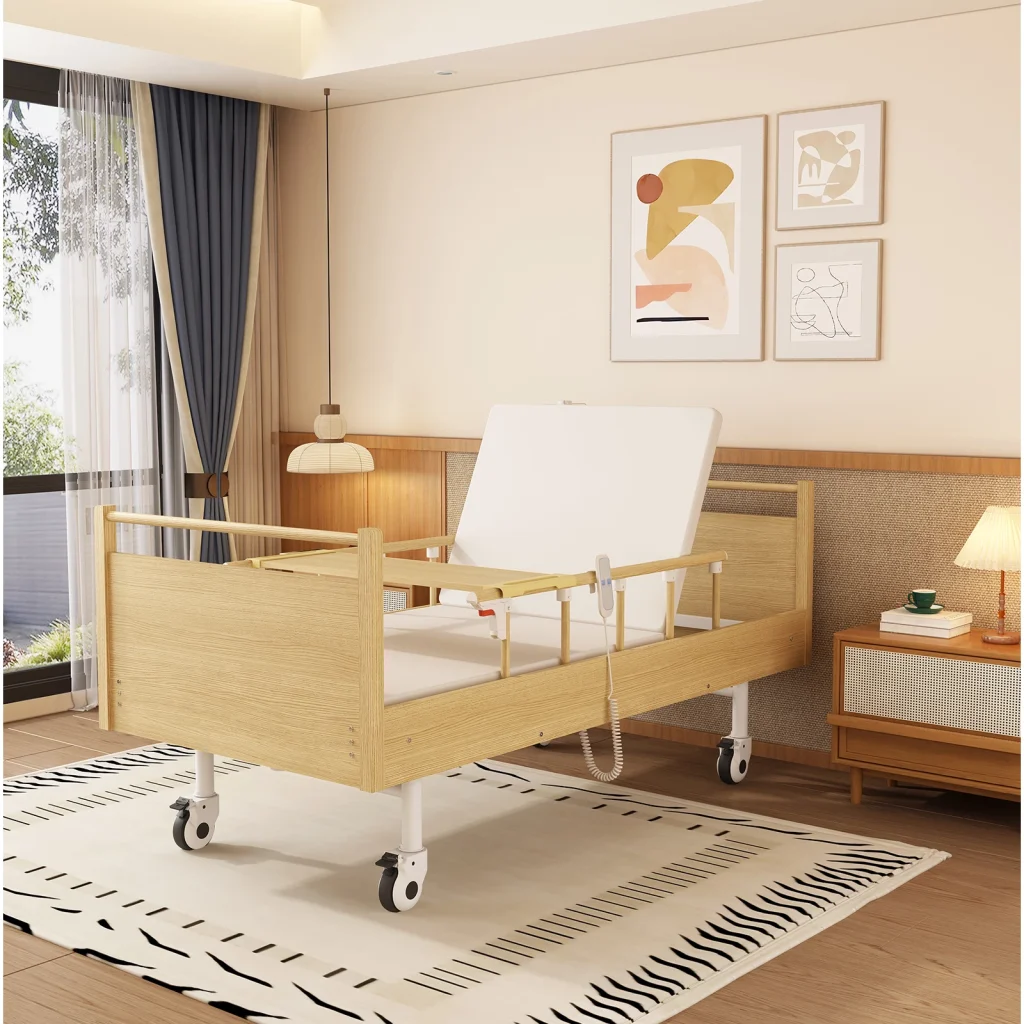
- Manual Beds: Manual home care bedsare operated through mechanical hand cranks that adjust the head, leg, and sometimes height positions. These beds are commonly used in short-term care settings or environments with budget constraints. While durable and cost-effective, manual beds require physical effort from caregivers during repositioning, which may increase caregiver fatigue over time and limit the frequency of patient adjustments.
- Electric Beds: Electric home care beds utilize motorized systems to independently adjust bed height, backrest, and leg positions at the touch of a button. This allows for precise and frequent repositioning, which is essential for pressure redistribution, circulation improvement, and patient comfort. Electric beds significantly reduce caregiver strain, enhance patient independence, and support a wide range of care activities, including rehabilitation, daily transfers, and long-term medical management.
Patient Safety Features
- Side Rails: Adjustable rails prevent accidental falls and can assist patients in repositioning themselves. Look for rails that comply with medical safety standards.
- Anti-Entrapment and Locking Mechanisms: Ensure rails and moving components are designed to prevent entrapment injuries and unintended movement.
- Emergency Manual Lowering: In case of power failure, the bed should allow safe manual adjustments.
Weight Capacity and Dimensions
- Assess patient weight, mobility level, and body size. Beds must support the patient safely and allow sufficient space for caregivers to maneuver. Bariatric options may be necessary for heavier patients.
- Consider the room layout, doorway widths, and space for auxiliary equipment such as lifts or bedside tables.
Pressure Management and Mattress Compatibility
- To prevent pressure ulcers, beds should accommodate pressure-relieving mattresses such as memory foam, alternating pressure, or low-air-loss systems.
- Adjustable positioning facilitates offloading pressure points, enhancing circulation and reducing the risk of skin breakdown.
Caregiver Ergonomics and Accessibility
- Electric height adjustment minimizes bending and lifting, reducing musculoskeletal injuries among caregivers.
- Beds with tilting, Trendelenburg, or reverse Trendelenburg functions can assist with clinical interventions such as respiratory therapy or edema management.
Ease of Maintenance and Hygiene
- Beds should feature smooth surfaces, removable components, and waterproof mattresses for infection control.
- Consider beds that are easy to disassemble for transport or deep cleaning, especially in home environments where space is limited.
Selecting the appropriate home care bed requires a comprehensive evaluation of the patient’s medical needs, mobility, and safety requirements, as well as caregiver capabilities. By integrating functional design, safety features, and clinical considerations, a properly chosen bed enhances recovery outcomes, prevents complications, and supports a higher standard of home-based care.
2. Essential Medical Bed Supplies for Setup
Once the bed is chosen, the next step is selecting the right medical bed supplies. Each item contributes to comfort, hygiene, and safety.
Pillows and Cushions
Proper pillows and cushions support the head, neck, and joints. A wedge pillow can help elevate the upper body, improving breathing and digestion. Anti-decubitus or pressure-relief cushions reduce the risk of bedsores for long-term bedridden patients.
Bed Sheets and Covers
Choose bed sheets that are soft, breathable, and easy to clean. Waterproof covers protect the mattress from spills and incontinence. Make sure sheets are tightly fitted to avoid bunching, which can cause discomfort or pressure points.
Bed Rails
Install bed rails securely to prevent accidental falls. Adjustable rails allow the patient to hold onto support when moving or sitting up. Ensure rails are at a proper height and do not pose entrapment risks.
Turn Sheets and Slide Sheets
Turn sheets or slide sheets make it easier to reposition a patient, reducing strain on caregivers. They help with turning, lifting, or shifting the patient in bed without excessive physical effort, which is especially important for long-term care.
Medical Bed Pads
Medical bed pads are essential for maintaining hygiene and protecting the mattress. They absorb moisture, prevent leaks, and help reduce the risk of pressure sores. Place pads under the patient, ensuring they cover the areas most prone to accidents or perspiration. Reusable or disposable options are available depending on the caregiver’s preference and cleaning routine.
Other Supplies
Additional items can enhance convenience and safety. Consider a bedside table, a mobile IV pole, or a small overbed table for meals and medication. Proper placement of these supplies reduces clutter and ensures caregivers can access everything efficiently.
3. Maintenance and Safety Tips
A well-set-up bed requires ongoing attention. Follow these tips to maintain a safe and hygienic environment:
- Regular Checks: Inspect bed rails, wheels, and adjustable mechanisms regularly to ensure they function correctly. Loose or faulty parts can create safety hazards.
- Cleanliness: Wash bed sheets, medical bed pads, and covers frequently. Disinfect the bed frame and surrounding surfaces to prevent infections.
- Pressure Sore Prevention: Reposition the patient every 2–3 hours if possible, using turn sheets to minimize strain. Ensure cushions and pads are correctly aligned to reduce pressure on bony areas.
- Safe Operation: Teach caregivers and patients how to adjust bed settings safely. Avoid overloading the bed with heavy objects and ensure the bed is locked in place before transferring the patient.
4. Conclusion
Setting up a home care bed with the right medical bed supplies like medical bed pads is essential for both patient comfort and caregiver efficiency. Proper selection, placement, and maintenance of these items create a safe, hygienic, and supportive environment. Whether caring for an elderly loved one, a patient recovering at home, or someone with long-term mobility challenges, investing time in the correct setup pays off in improved safety, comfort, and quality of care.
Looking for reliable home care bed solutions for long-term care? Explore our range of products designed to support safe, comfortable, and efficient home-based care.
https://yoyicare.com/what-is-nursing-bed/
https://yoyicare.com/main-types-of-nursing-bed-how-to-choose/
Understanding Nursing Bed Positions and Restraint Practices in Patient Care


