

The home medical equipment market is not slowing down. If you are a distributor, retailer, or healthcare provider sourcing home medical devices for Europe or the United States, this is your moment. But choosing the wrong manufacturer? That costs more than money. It costs you time, compliance nightmares, and client trust.
Here’s what’s really going on in the home health equipment space right now, what certifications you can’t afford to ignore, and what separates a reliable OEM partner from a risky one.
The Market Is Growing Fast—Really Fast
This isn’t speculation. The global home medical equipment market is projected to reach roughly $69.7 billion by 2033, up from $33.5 billion in 2023. That’s more than a doubling in a decade.
And the demand isn’t evenly spread. North America accounted for the largest share of the global market in 2023, capturing 39.8% of total revenue. Europe is projected to expand at a CAGR of 6.1%, driven by an increase in elderly populations more susceptible to chronic diseases.
What’s fueling this? Rising preference for home-based healthcare solutions and the increasing prevalence of chronic diseases. Sound familiar to anyone in healthcare distribution? It should. Growth is fundamentally propelled by the rapidly expanding geriatric population and the rising prevalence of conditions like diabetes, COPD, and cardiovascular disorders.
For B2B buyers, this means the opportunity window is wide open. At the same time, competition for shelf space and contracts is heating up just as fast.
What European and American Buyers Actually Want
Here’s what we’ve noticed from working with buyers across both regions: they don’t just want products. They want products that arrive with the right paperwork, the right branding, and zero surprises at customs.
European buyers tend to prioritize regulatory alignment and sustainability. The EU Battery Regulation introduces carbon footprint disclosure and mandatory replaceability for portable device batteries, nudging manufacturers toward modular designs. If your supplier isn’t already thinking about this, you’ll feel the friction at the border.
American buyers lean into speed, scalability, and proven FDA compliance. In January 2024, the FDA finalized its Quality Management System Regulation, aligning U.S. requirements with ISO 13485:2016. Manufacturers must update design, supplier, and post-market surveillance processes before enforcement begins on February 2, 2026.
The takeaway? Your manufacturer needs to be ahead of the certification curve—not catching up.
Certifications That Make or Break Market Entry
We can’t stress this enough. If your home medical equipment doesn’t carry the right certifications, it’s not getting sold. Period.
Here’s a quick reference:
| Certification | Required For | Why It Matters |
| CE Marking | EU / EEA markets | Confirms health, safety, and environmental compliance |
| FDA Registration | U.S. market | Mandatory for device import and sale in the United States |
| ISO 13485:2016 | Global | Quality management standard for medical device manufacturing |
| IEC 60601-1 | Global (electrical devices) | Safety standard for medical electrical equipment |
| EU MDR | EU markets (post-2021) | Updated regulatory framework replacing MDD |
B2B buyers should prioritize suppliers with documented medical industry certifications—ISO 13485 is mandatory—and device-specific credentials like CE Marking or FDA registration. And don’t just take a supplier’s word for it. Always request copies of current certificates and verify them through official databases such as China’s NMPA or the FDA’s registration portal.
At YOYI CARE, we hold ISO 13485:2016, EU CE, U.S. FDA, and Chinese Medical Device Production License certifications—alongside a Medical Device Registration Certificate. We’ve built our compliance framework over 12 years, not 12 months.
OEM vs. ODM: Which Model Fits Your Business?
If you’re new to sourcing, this distinction matters more than you think. OEMs produce equipment according to clients’ exact specifications, while ODMs provide pre-designed products that clients can rebrand.
For B2B buyers entering the home health equipment space, ODM is often the faster route—you get a tested product and add your branding. OEM makes more sense when you need a specific feature set, motor configuration, or battery capacity that your competitors don’t offer.
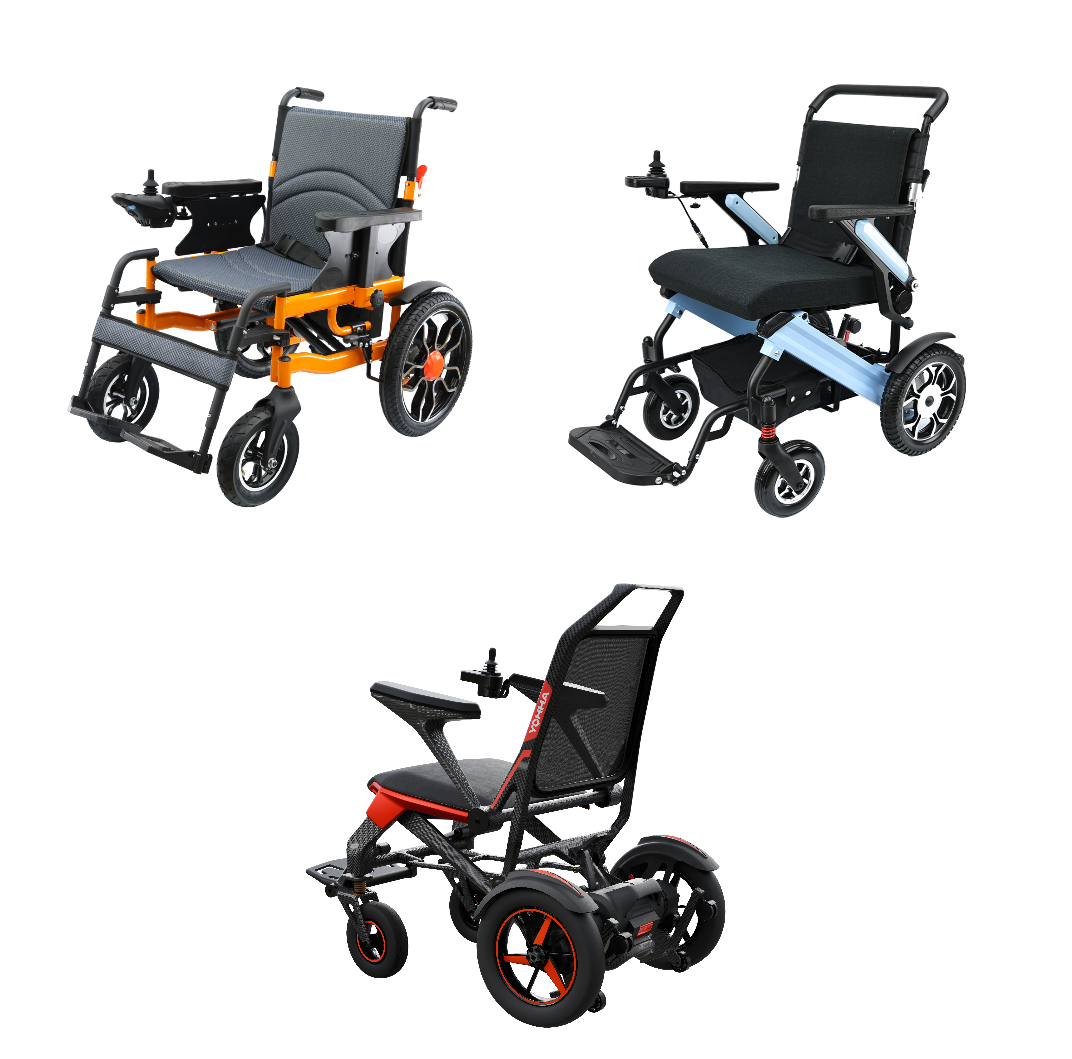
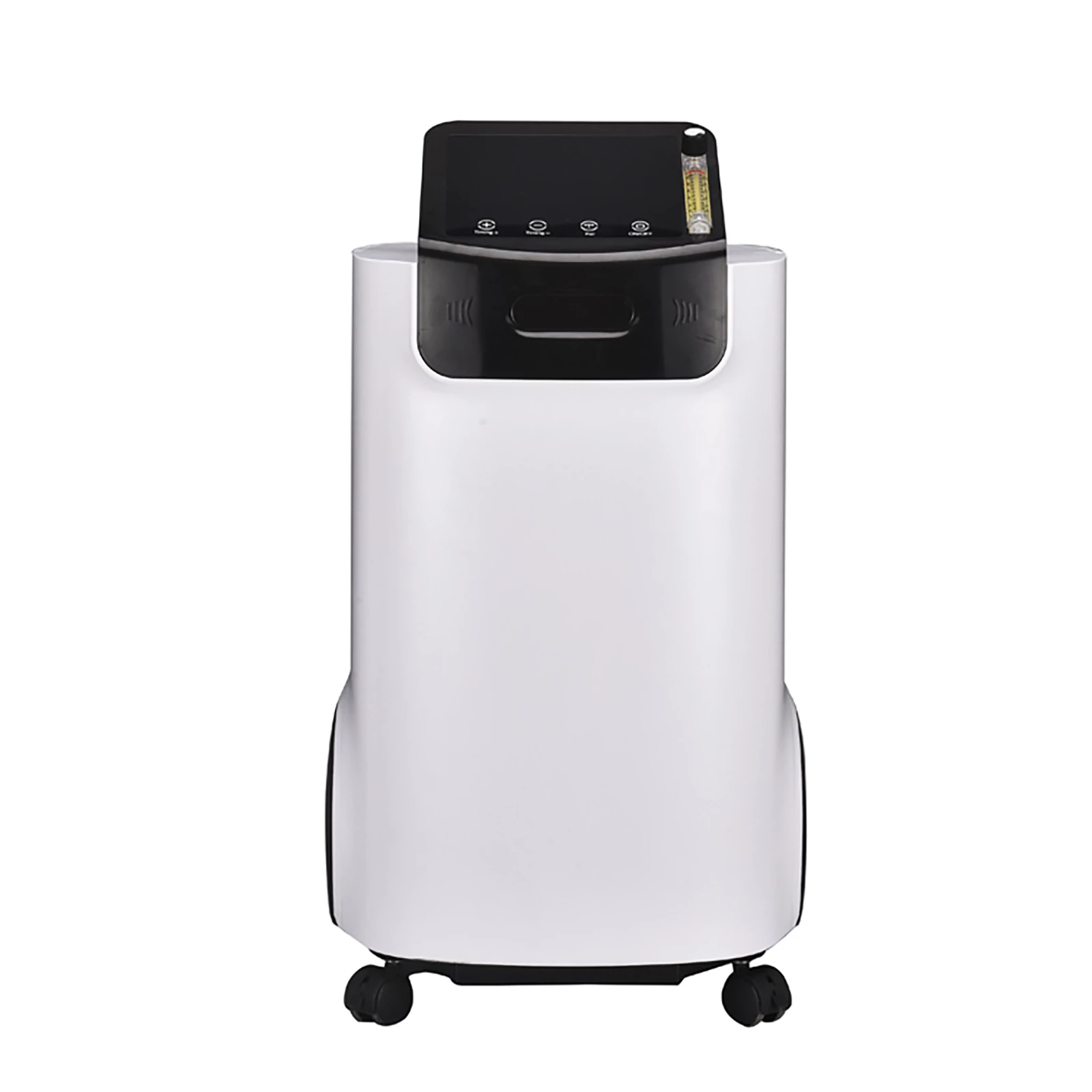
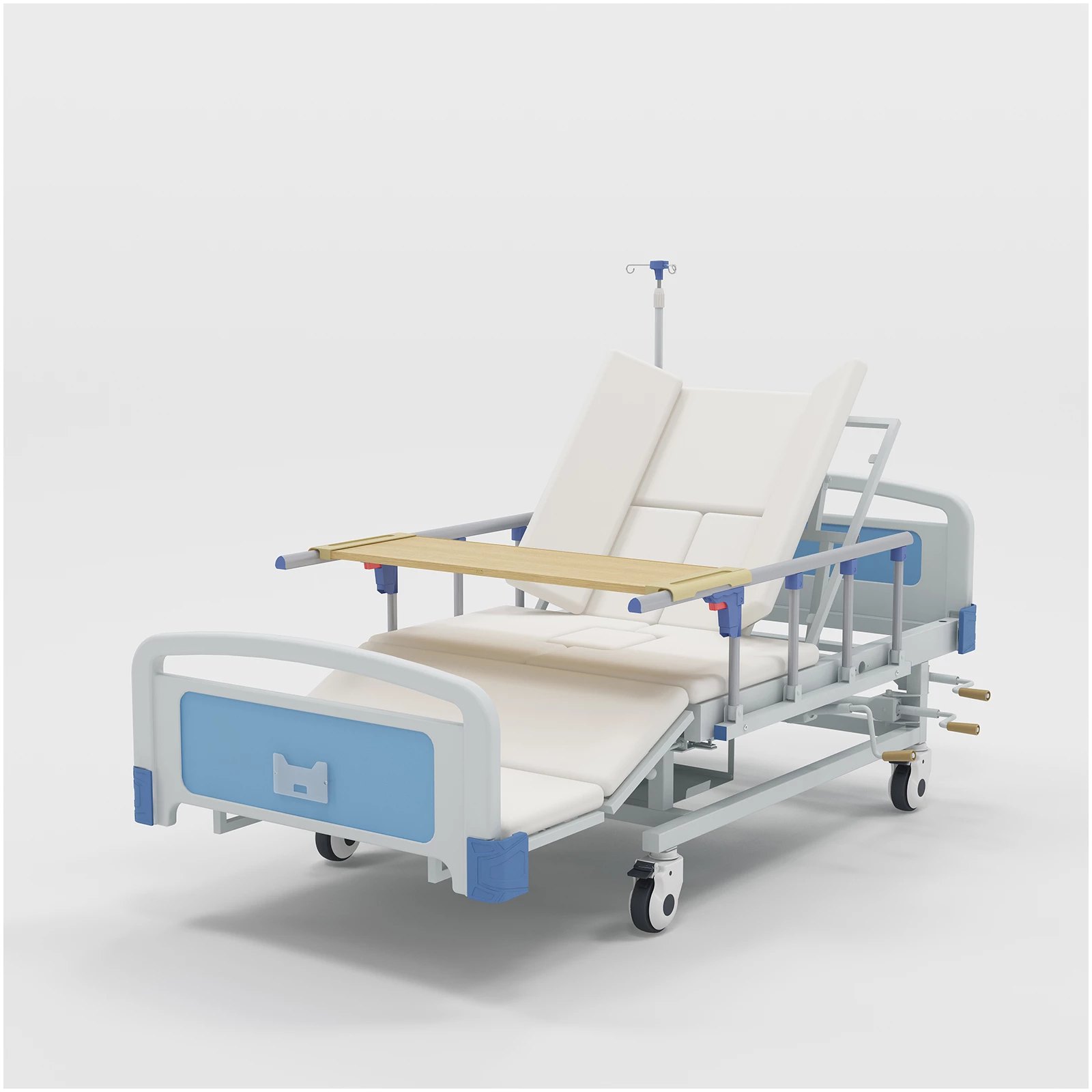
We provide both. From custom electric wheelchairs, oxygen concentrators, and nursing beds, our team can adjust everything from cushion materials and logo placement to electronic control systems and battery configurations. MOQ starts as low as 1 piece for certain models, and production runs 30–35 days after deposit.
Key Product Categories B2B Buyers Should Watch
The wheelchairs segment is expected to dominate the market in the coming years. But it’s not the only high-demand category. Rapid growth in the market is driven by demand for mobility aids, accessibility beds, and respiratory support devices—with wheelchairs, mobility scooters, and accessibility beds showing the highest growth.
In our experience, these three categories consistently drive the most B2B inquiries:
- Electric wheelchairs: Smart features, foldable designs, and customizable joystick controls are what buyers ask about most.
- Oxygen concentrators: Portable units for home use are in high demand, especially for COPD and post-surgical recovery patients.
- Nursing beds: Adjustable, electric-lift beds with voice control and app integration are gaining traction across long-term care facilities.
Pretty solid product lineup if you’re looking to build a home medical equipment catalog that actually moves.
Related article: Essential Nursing Equipment Every Home Should Have
What to Look for in a Manufacturer (Beyond Price)
Price matters—obviously. But in this industry, the cheapest quote can become the most expensive mistake. Here’s what we recommend evaluating:
- Certifications: CE, FDA, ISO 13485. Non-negotiable.
- Customization depth: Can they adjust logos, battery specs, control systems, and packaging? Or just slap your sticker on a box?
- Patent portfolio: More patents usually mean more genuine R&D. We hold 60+ patents, including design and invention patents.
- Production capacity: Ask about assembly lines, factory size, and headcount. Our facility has 200+ employees and multiple dedicated assembly lines.
- Track record: How long have they been exporting? We’ve served global markets for over a decade.
ISO 13485 provides a quality management system to ensure devices are safe, reliable, and effective—covering virtually every aspect from design and production to testing and documentation.
Wrapping Up
The home medical equipment market in Europe and America is growing at a pace that rewards prepared buyers and punishes slow ones. The demand for electric wheelchairs, oxygen concentrators, and medical beds is not a short-term trend. It is a structural shift driven by aging populations and the move toward home-based care.
If you’re sourcing at-home medical devices, look beyond unit price. Focus on certifications, customization capability, and a manufacturer’s willingness to support your brand long-term. That’s where real ROI lives.
FAQs
What types of home medical equipment are most in demand right now?
The mobility assist and patient support equipment segment accounted for the largest market share in 2025. Electric wheelchairs, oxygen concentrators, and adjustable nursing beds are the top categories for B2B buyers targeting Europe and the U.S.
What certifications should I require from a home medical equipment manufacturer?
At minimum, you need ISO 13485:2016 for quality management, CE marking for EU market access, and FDA registration for U.S. sales. For electrical medical devices, IEC 60601-1 compliance is also expected. Always verify certificates directly through official regulatory databases.
What’s the difference between OEM and ODM for medical equipment sourcing?
OEMs produce equipment according to your exact specifications, while ODMs provide pre-designed products that you can rebrand. In medical equipment, OEMs typically handle contract manufacturing of proprietary devices, whereas ODMs offer catalog-based solutions with custom branding options.
How long does production typically take for a B2B medical equipment order?
It depends on the product and quantity, but most established manufacturers run 30–35 days after deposit confirmation. Custom OEM orders with unique tooling or features may take longer. Always confirm lead times in writing before placing an order.
Is it safe to source home medical equipment from Chinese manufacturers?
Yes—when you vet properly. China is home to many of the world’s largest medical device manufacturers. The key is verifying certifications (CE, FDA, ISO 13485), visiting the factory (or doing a virtual audit), and checking their export track record. Manufacturers like YOYI CARE hold multiple international certifications and have exported globally for over 12 years.


