

If you’re sourcing oxygen concentrators for your market, you’ve probably noticed something: pricing varies wildly. One manufacturer quotes $230 per unit for a 5-liter machine. Another quotes $550 for what looks like the same spec. So what’s actually driving the oxygen concentrator price, and how do you tell where your money’s going versus where it’s being wasted?
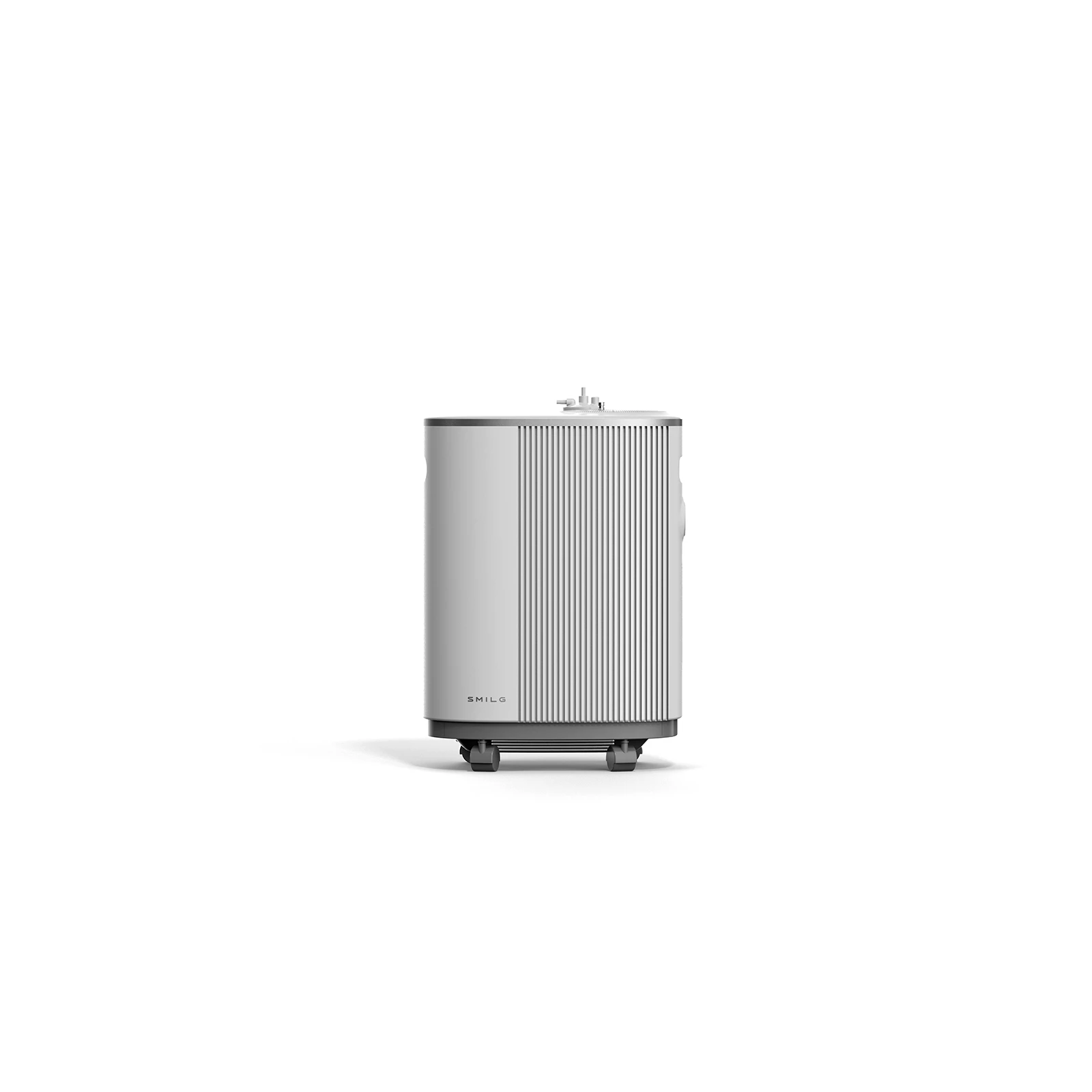
Oxygen Concentrator Price: Why the Gap Keeps Growing
The global oxygen concentrator market was estimated at $4.85 billion in 2024 and is projected to reach $6.96 billion by 2033, with a CAGR of about 4.2% from 2025 to 2033 (Grand View Research). North America holds around 34% of market share. Home care applications make up over 65% of demand.
That growth has pulled hundreds of new suppliers into the space, especially out of China. More manufacturers means bigger price gaps. The difference between a $180 unit and a $550 unit isn’t always obvious from a product listing. But once you dig into the specs, the bill of materials, and the compliance paperwork, the gap starts making sense.
6 Factors That Actually Affect Oxygen Concentrator Cost
Let’s break it down.
1. Flow Rate and Liter Capacity
This is the single biggest cost driver. A 1–3 liter concentrator uses smaller compressors, less zeolite sieve material, and simpler electronics. A 10-liter machine? Completely different build.
Every jump in liter capacity means a bigger compressor, more molecular sieve bed material, and heavier cooling systems. That directly hits your unit cost and your freight bill.
Related article: 5 Liter vs. 10 Liter Oxygen Concentrator: How to Choose
2. Continuous Flow vs. Pulse Dose
Continuous flow machines deliver oxygen non-stop. Pulse dose units only release oxygen when the user inhales. Continuous flow costs more to build because it needs more powerful compressors and larger sieve beds to maintain output.
For B2B buyers, this shapes your product mix and landed cost. Know what your end market actually needs before you commit.
3. Compressor and Sieve Bed Quality
The compressor and molecular sieve beds are the two most expensive components inside any oxygen concentrator. A cheap compressor might save $30–$50 per unit up front, but it’ll fail sooner, run louder, and throw more heat.
Sieve bed quality determines oxygen purity and overall device lifespan. For reference, the industry standard sits at 93% ±3%.
Here’s the thing: buyers who chase the absolute lowest unit price often see higher warranty claims within 12–18 months. That $40 you saved? It comes back as replacement costs and damaged customer trust. Not worth it.
4. Certifications and Regulatory Compliance
Selling into Europe means CE marking. The US requires FDA clearance. Many Middle Eastern countries have their own registration processes. Each certification costs the manufacturer real time and money, and those costs show up in the unit price.
At YOYI CARE, we hold ISO 13485:2016, CE, FDA, and Chinese Medical Device Production License certifications, plus 60+ patents. Some lower-priced suppliers skip one or more of these. That might seem fine until your shipment gets held at customs or a regulatory audit lands.
For any distributor importing into the EU or Americas, verified certifications aren’t optional. They’re the cost of doing business.
5. OEM Customization Level
A white-label unit with your logo stuck on is different from a fully customized OEM order. Custom colors, voltage and socket adaptation for specific regions, laser-engraved branding, modified atomization functions, and plateau-altitude adjustments all add engineering time and tooling costs.
We offer full OEM/ODM customization, from appearance design and logo placement to global voltage/socket compatibility. More customization means a slightly higher per-unit price. But it also means a product that fits your market perfectly. Most serious distributors see that as a smart trade-off, not a burden.
6. Tariffs, Freight, and Market Conditions
This one gets overlooked constantly. US tariffs on Chinese-manufactured medical device components have reached as high as 25% in recent years. Shipping costs swing with container availability and fuel prices. And currency exchange rates between CNY and USD or EUR can shift your landed cost by 3–5% in a single quarter.
The cheapest FOB quote doesn’t always mean the cheapest product sitting on your warehouse shelf. Factor everything in.

Wholesale vs. Retail: Where the Margins Sit
Factory-gate pricing for oxygen concentrators in China and retail pricing in the US and EU sit in very different ranges, and the spread can look wide on paper. But that spread only holds if your product clears customs smoothly, meets local regulations, and does not generate excess returns. Freight, compliance work, warehousing, and after-sales support all take a cut. That is where manufacturer selection really matters.
Request an Oxygen Concentrator Price for Your Project
Oxygen concentrator price isn’t just about what the factory charges per unit. It’s the sum of flow rate, technology type, component quality, certifications, customization scope, and every cost that stacks up between the production line and your buyer’s hands.
If you’re sourcing for the European or American market, don’t just compare FOB quotes. Compare what’s actually behind them. That means build quality, compliance documentation, after-sales support, and production consistency.
And if you want a manufacturer who can walk you through all of this, we’re happy to talk specifics. Reach out to our team here.
FAQs
Why do two oxygen concentrators with the same liter rating have different prices?
Liter rating tells you the output, not how it’s built. Differences in compressor durability, sieve bed purity, noise levels, and whether the unit holds CE or FDA certifications all create price gaps. A $200 unit and a $400 unit rated at 5 liters are often very different machines.
Do tariffs affect oxygen concentrator pricing for US buyers?
Yes. US tariffs on certain Chinese-made medical components have reached up to 25%. This can add a meaningful chunk to your landed cost. It’s worth checking the current HTS code classification for concentrators with your customs broker before finalizing any sourcing decision.
Is it worth paying more for a certified manufacturer?
In our experience, absolutely. Certifications like CE, FDA, and ISO 13485 aren’t just stickers. They reflect tested production processes, documented quality control, and traceability. Skipping this step can mean seized shipments, fines, or liability issues in regulated markets. The small premium pays for itself fast.


