

1. What Is a Steel Wheelchair?
A steel wheelchair features a frame constructed from carbon steel or stainless steel, known for its high strength and durability. Steel has historically been the foundational material in wheelchair manufacturing due to its structural integrity and ease of fabrication. While more modern materials like aluminum and carbon fiber are trending, steel continues to hold strong appeal for its ruggedness, lower cost, and dependable performance.
2. Pros and Cons of Steel Wheelchairs
Pros:
- Strong and Durable: Ideal for high-use scenarios and users requiring robust support.
- Affordable: Entry-level models are budget-friendly, suitable for large-scale procurement.
- Stable and Sturdy: Less prone to tipping, excellent for users with balance concerns.
- Repairable: Weldable and compatible with universal parts, making servicing simple.
Cons:
- Heavier Frame: Not suitable for frequent lifting or travel.
- Risk of Corrosion: If protective coating is damaged, steel is prone to rust.
- Limited Aesthetic Options: Less stylish or modern in appearance.
- Increased Energy Demand (Electric): More motor strain and shorter battery life compared to lightweight models.
3. Ideal Environments and Applications for Steel Wheelchairs
Steel wheelchairs thrive in environments that prioritize longevity, stability, and cost-efficiency:
- Hospitals & Clinics: Perfect for patient transport due to sturdiness and reliability.
- Nursing Homes: Daily-use wheelchairs benefit from steel’s low maintenance needs.
- Airports & Transit Hubs: Steel wheelchairs withstand rough handling and high-frequency use.
- Outdoor & Rural Use: Great for uneven or rugged terrain due to their weight and frame strength.
4. Heavy-Duty and Bariatric Steel Wheelchairs
Steel’s high load-bearing capacity makes it the go-to material for bariatric and heavy-duty wheelchairs:
- Reinforced Crossbars and Support Frames prevent flexing under high loads.
- Wide Seat Options accommodate larger users comfortably.
- Powerful Motor Integration in electric models ensures reliable operation even under heavy weight.
- Ideal for individuals with limited mobility requiring full-time support and long seating periods.
5. Folding vs. Non-Folding Steel Models
Folding Steel Wheelchairs:
- Offer basic portability for vehicles and tight spaces.
- Often used by caregivers for intermittent use.
- Slightly more prone to joint stress over time.
Non-Folding Steel Wheelchairs:
- Built for permanence—less moving parts mean fewer maintenance concerns.
- Preferred by institutions for assigned seating or stationary usage.
- Tend to last longer under constant use.
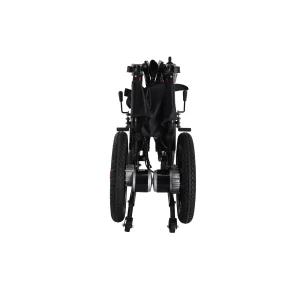
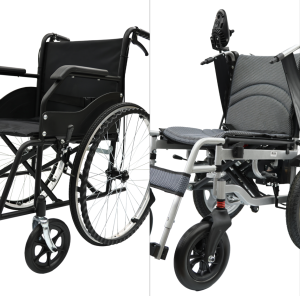
6. How to Choose a Steel Wheelchair: Manual vs. Electric
Manual Steel Wheelchair:
- Best for facilities with caregiver assistance or limited movement needs.
- No battery or electronics—less that can go wrong.
- Lower maintenance and easier to clean.
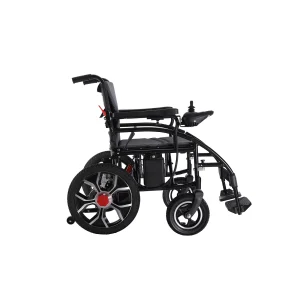
Electric Steel Wheelchair:
- Recommended for users with low upper-body strength or limited endurance.
- Good option for affordability in powered mobility.
- Be mindful of weight—it affects portability and battery performance.
7. How to Identify a High-Quality Steel Wheelchair
Key features to evaluate:
- Frame Coating: Powder coating or anti-corrosive layers protect against rust.
- Seamless Welding: Clean, reinforced welds suggest durability and load stability.
- Load Capacity: Check manufacturer specifications; 120–150 kg is typical, higher for bariatric models.
- Ergonomic Design: Seat padding, lumbar support, and proper height all contribute to long-term comfort.
- Component Quality: Brakes, footrests, armrests, and wheel bearings should all operate smoothly.
- Certifications: ISO13485, CE, or FDA markings ensure compliance with safety and manufacturing standards.
8. Common Misconceptions About Steel Wheelchairs
- “Outdated Material”: Steel may not be new, but modern construction techniques keep it competitive.
- “Too Heavy to Use”: While heavier than other materials, steel’s weight benefits users needing added stability.
- “Not Stylish”: Design options have expanded; modern steel chairs now include ergonomic and aesthetic upgrades.
9. Cost-Benefit Analysis for Institutions
Steel wheelchairs are often the smartest investment for organizations:
- Lower Upfront Costs: Ideal for high-volume orders without compromising reliability.
- Long Service Life: Durable materials and basic mechanics mean fewer replacements.
- Ease of Repair: Universal parts and low-complexity design simplify repairs.
- Consistent Performance: Especially valuable in settings with frequent user turnover.
10. Maintenance Tips for Steel Wheelchairs
Proactive maintenance ensures long-lasting performance:
- Dry Storage: Avoid damp areas to minimize corrosion risk.
- Monthly Hardware Check: Inspect bolts, joints, and welds for signs of wear.
- Cleaning Routine: Use mild detergent and soft cloths—harsh chemicals can strip protective coating.
- Lubricate Moving Parts: Especially for wheels and folding joints.
- Battery Care (Electric Models): Keep terminals clean and avoid deep discharge cycles.
11.When NOT to Choose a Steel Wheelchair
Steel may not be ideal for:
- Frequent Travelers: Aluminum or carbon fiber models are more suited to transport.
- Independent Users with Limited Strength: Lifting a steel frame can be challenging.
- Extreme Weather Environments: Moisture-heavy areas may accelerate corrosion.
12. Future Outlook and Trends
While advanced materials like carbon fiber are on the rise, steel wheelchairs will remain relevant:
- Emerging Markets: Cost-sensitive regions will continue favoring steel for healthcare access.
- Institutional Preference: Hospitals and elder care facilities value steel for its robustness and low maintenance.
- Design Evolution: New ergonomic steel designs are closing the gap with more expensive alternatives.
13. Final Thoughts: Is a Steel Wheelchair Right for You?
Steel wheelchairs offer a practical solution for users and institutions prioritizing durability, stability, and cost-efficiency. Although not the lightest or most advanced, they are proven performers across clinical, residential, and public-use scenarios.


