

Understanding the Basics
What Is a Manual Wheelchair?
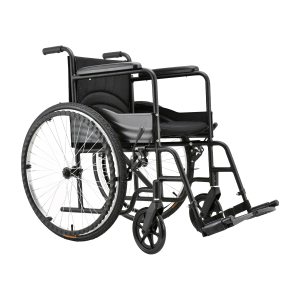
A manual wheelchair is a mobility device propelled by the user or a caregiver through physical force. It typically features a lightweight frame, large rear wheels for self-propulsion, and push handles for assistance. Manual wheelchairs are commonly categorized into standard, lightweight, and transport types, each designed for different usage scenarios. Standard models offer durability, while lightweight and transport wheelchairs are optimized for portability and temporary use.
What Is an Electric Wheelchair?
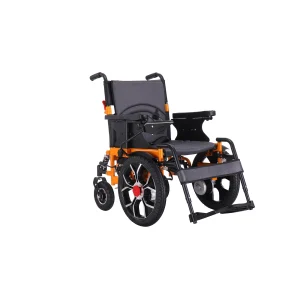
An electric wheelchair, also known as a power wheelchair, is equipped with a motor, battery, and joystick control system. Designed for users with limited mobility or reduced upper body strength, these chairs provide enhanced autonomy. Variants include rear-wheel, mid-wheel, and front-wheel drive systems, each offering distinct maneuverability features. Electric wheelchairs are often customizable with adjustable seating, tilt-in-space functions, and enhanced suspension systems for comfort and stability. Read out blog:Types of Power Wheelchairs and Their Differences to learn more about the all the electric wheelchiar types.
Key Comparison Factors for Electric Wheelchairs vs. Manual Wheelchairs
Mobility and Independence
One of the most critical differences lies in user autonomy. Manual wheelchairs require significant upper body strength and are best suited for users with good motor control. They also often require assistance for longer distances or uneven terrain. Electric wheelchairs, on the other hand, offer high levels of independence. They are ideal for individuals with limited physical strength, enabling movement with minimal exertion, even across rough surfaces or inclines.
Ease of Use and Caregiver Support
Manual wheelchairs are relatively simple to use and maintain, but may place a burden on caregivers if the user cannot self-propel. Electric wheelchairs remove much of this physical strain, allowing users to operate the device themselves. However, caregivers may need to assist with charging, maintenance, and occasional troubleshooting.
Portability and Storage
Manual wheelchairs are generally foldable and lighter in weight, making them easier to transport in vehicles or store in smaller spaces. Electric wheelchairs, by contrast, tend to be heavier and bulkier due to their motor and battery components. While some compact power models exist, they often require disassembly for transport, making logistics a significant consideration.
Cost and Maintenance
Manual wheelchairs are more budget-friendly with lower initial costs and minimal maintenance requirements. Electric wheelchairs, while offering more advanced features, come with higher purchase prices and ongoing costs, including battery replacements and periodic servicing. Users must evaluate whether the enhanced mobility and convenience justify the added expenses over time.
Lifestyle and Health Considerations for Electric Wheelchairs vs. Manual Wheelchairs
User’s Physical Condition
Choosing between electric and manual wheelchairs depends heavily on the user’s health status. Individuals recovering from surgery or those with progressive conditions like muscular dystrophy or multiple sclerosis may benefit more from electric wheelchairs due to reduced physical demand. Conversely, users who retain strong upper body mobility and seek physical exercise may find manual wheelchairs both practical and therapeutic.
Living Environment
The suitability of a wheelchair also depends on the environment in which it will be used. Manual wheelchairs work well in flat, accessible indoor spaces and short-distance outings. Electric wheelchairs are more appropriate for users navigating varied terrains, inclines, or extended distances. Additionally, consider whether the home has space to accommodate the turning radius and storage requirements of a power chair.
Pros and Cons Overview
| Feature | Manual Wheelchair | Electric Wheelchair |
|---|---|---|
| Independence | May need assistance | High user autonomy |
| Physical effort | Requires arm strength | Minimal physical effort |
| Portability | Lightweight and foldable | Heavier, less portable |
| Cost | More affordable | Higher initial and maintenance |
| Customization options | Limited | More advanced features |
Which One Is Right for You?
Manual wheelchairs are well-suited for users with sufficient physical strength, minimal daily travel needs, and access to caregiver assistance. They are also a good option for temporary mobility support or in environments that require frequent transportation and storage. Electric wheelchairs, in contrast, provide vital independence for users with limited physical capabilities or those needing mobility support throughout the day. In some cases, users may opt for hybrid solutions, such as power-assist devices that bridge the gap between manual and electric mobility.
Additional Professional-Level Comparison Factors for Electric vs. Manual Wheelchairs
1. Pressure Redistribution and Seating System Compatibility
-
Manual Wheelchairs: Often have limited seat adjustability and rely on external cushions to prevent pressure sores.
-
Electric Wheelchairs: Frequently support complex seating systems, including tilt, recline, and elevate functions. These features are vital for users with limited mobility who are at high risk of developing pressure ulcers or need postural support.
2. Postural and Orthopedic Support
-
Electric models are better suited for users requiring specific postural corrections (e.g., scoliosis, kyphosis).
-
Some manual wheelchairs can be customized, but generally lack integrated postural control systems.
3. Cognitive and Neurological Considerations
-
Electric wheelchairs require a basic level of cognitive ability to operate a joystick or control interface safely.
-
Manual wheelchairs can be better suited for users with cognitive impairment when operated by caregivers, reducing the risk of unsafe operation.
4. Energy Expenditure and Fatigue Index
-
Studies show that manual wheelchair users expend significantly more energy, which can lead to fatigue, especially in long-term use.
-
This is critical for users with conditions like COPD, MS, ALS, or cardiac limitations, where conserving energy is essential.
5. Custom Drive Programming and Control Interfaces
-
Electric wheelchairs can often be programmed with personalized driving profiles (speed, acceleration sensitivity, joystick control curves), and adapted to alternative input devices like sip-and-puff, chin control, or head arrays, making them accessible to users with severe disabilities.
-
Manual wheelchairs lack programmable control; function depends entirely on user or caregiver effort.
6. Regulatory Classifications and Reimbursement Codes
-
In some countries, electric and manual wheelchairs fall under different insurance codes or medical device classifications, affecting what can be prescribed or reimbursed.
-
Understanding this is key for users working with clinicians to apply for coverage via Medicare, Medicaid, or private insurance.
7. Terrain-Specific Engineering
-
Advanced electric wheelchairs offer all-terrain capabilities (e.g., gyroscopic balancing, suspension systems), which are not feasible in manual models.
-
Manual wheelchairs can be equipped with off-road wheels or lever drives, but rarely match powered mobility performance.
8. User Transfer Needs and Interface with Other Devices
-
Electric models can complicate transfers to/from beds, toilets, or cars due to non-removable armrests or fixed height.
-
Manual wheelchairs are often more transfer-friendly due to removable components and lighter frames.
9. Battery Safety and Environmental Conditions
-
Batteries in electric wheelchairs must meet specific certifications (e.g., IEC 62133, UN38.3) for transport and safety.
-
Storage in cold or humid environments may reduce performance or life expectancy, a consideration for rural or non-climate-controlled homes.
10. Long-Term Musculoskeletal Impact
-
Chronic manual propulsion can lead to repetitive strain injuries, particularly rotator cuff damage or carpal tunnel syndrome.
-
Electric wheelchairs mitigate these risks, especially for long-term users, even if the upfront cost is higher.
Final Thoughts
Selecting the right wheelchair requires a careful evaluation of personal health, daily routines, and long-term needs. It’s advisable to consult healthcare professionals and mobility experts to determine the best fit for individual circumstances. As assistive technologies continue to advance, users now have more choices than ever before to support active aging and independent living. By choosing the right mobility solution, individuals can significantly enhance their quality of life in both personal and caregiving contexts.


