

Introduction
Home oxygen therapy delivers supplemental oxygen to patients with chronic respiratory or cardiac diseases who suffer from low blood oxygen levels. Conditions such as chronic obstructive pulmonary disease (COPD), pulmonary fibrosis, heart failure, and other lung disorders often require long-term oxygen therapy even after hospital discharge. At home, oxygen helps keep oxygen saturation at safe levels, relieves breathlessness, and can improve quality of life. For example, a medical reference notes that providing oxygen at home “has many benefits when given appropriately” for patients with chronic pulmonary or cardiac diseases. In practice, a doctor will determine if you need long-term oxygen (e.g. ≥15 hours/day) or supplemental oxygen only during activities or sleep, based on blood oxygen tests.
Who needs home oxygen therapy? Typically patients who exhibit hypoxemia (low blood oxygen) at rest or on exertion. Common indications include COPD, emphysema, pulmonary fibrosis, cystic fibrosis, serious asthma, pneumonia, congestive heart failure, and lung cancer. Sometimes oxygen is used palliatively for breathlessness in advanced disease. In any case, only a physician can prescribe oxygen therapy; inhaling pure oxygen when it is not needed can be harmful. If your doctor confirms you meet criteria for oxygen therapy, you can then choose an appropriate home oxygen system based on your lifestyle and needs. In the sections below, we explain the different equipment options, what features to compare, and how to buy safely.
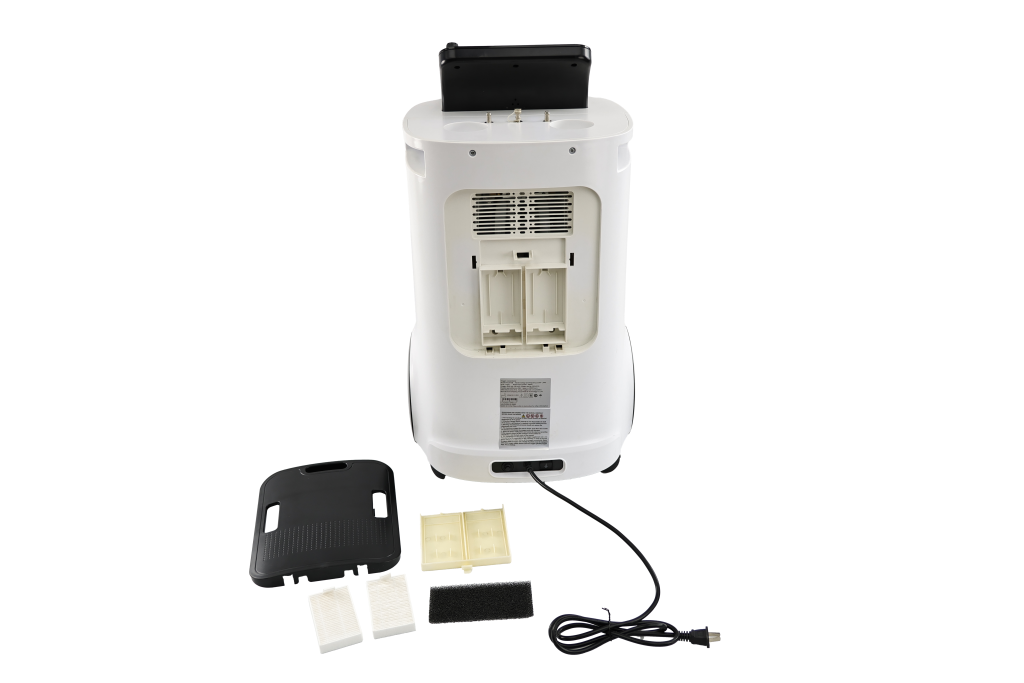
Types of Home Oxygen Equipment
There are three main types of home oxygen delivery systems: oxygen concentrators, compressed gas cylinders, and liquid oxygen systems. Each uses different technology to supply oxygen and has its own pros and cons.
Oxygen Concentrators (Stationary vs. Portable)
An oxygen concentrator is a medical device that extracts and concentrates oxygen from room air (which is ~21% oxygen) so that you can breathe 90–95% pure oxygen. Concentrators continuously draw in ambient air, remove nitrogen, and deliver purified oxygen through tubing to the patient. Unlike tanks, a concentrator does not run out of oxygen; as long as it has power, it keeps producing oxygen. Concentrators can either be stationary (for home use) or portable (for travel and mobility).
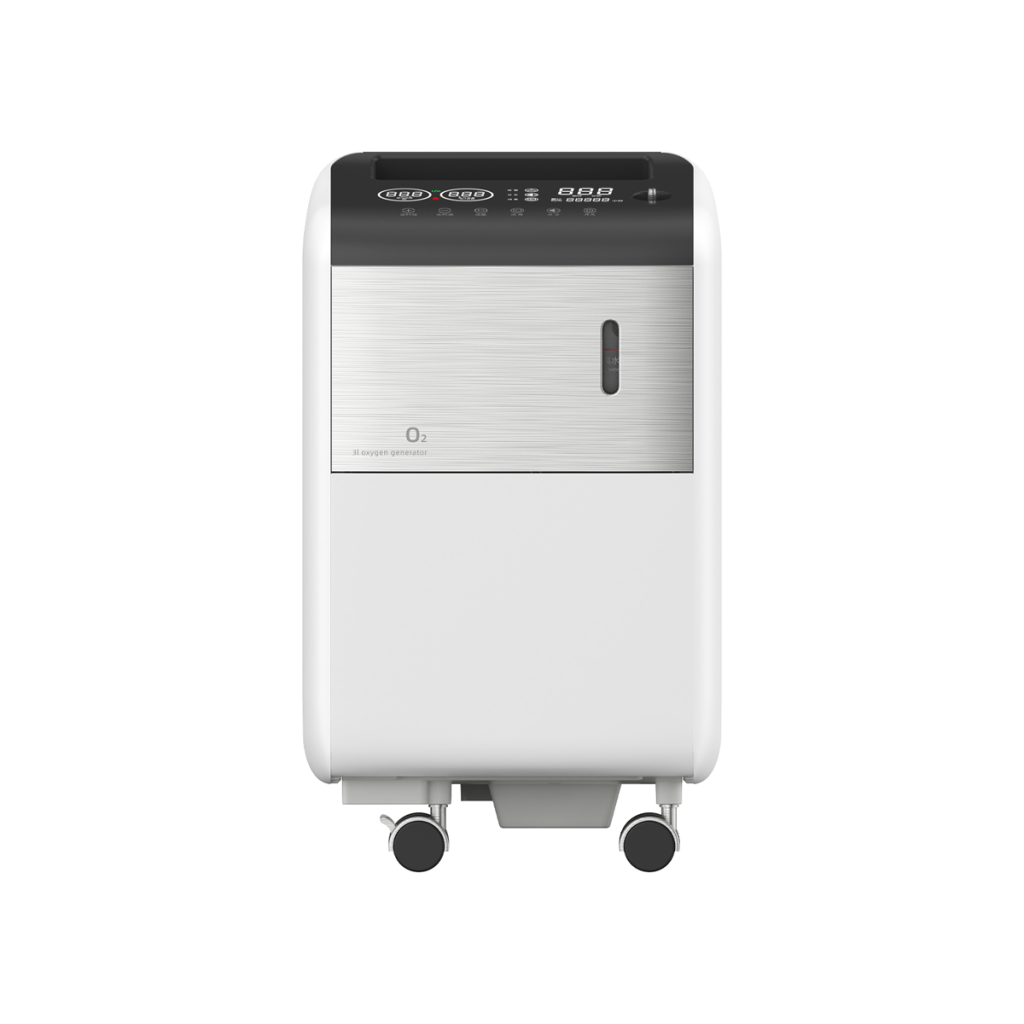
- Stationary concentrators are larger and plug into household AC power. A typical home concentrator weighs around 20–25 pounds and often has wheels or handles for moving between rooms. They deliver continuous oxygen flow (usually up to 5 liters per minute or more) and are designed to run 24/7. Many have backup batteries or even an auxiliary compressed oxygen outlet for use during power outages. Stationary units tend to be quieter and can deliver higher flow rates, making them suitable for patients with higher oxygen requirements.
- Portable concentrators (POCs) are smaller, lighter, and powered by rechargeable batteries (or by plugging in). They generate oxygen using the same principle, but in a compact form. Modern POCs allow users to remain active and travel; they often have built-in batteries lasting from a few hours up to 10–12 hours (depending on model and flow setting). Most POCs deliver oxygen in pulse dose mode (a burst of oxygen with each inhale) to conserve battery life, though some can also provide continuous flow. Note that because of their small size, POCs usually have lower maximum output than a home concentrator. For example, many lightweight POCs deliver at most 1–1.5 LPM continuous flow, and higher-output POCs (up to 3 LPM) are heavier (~16–20 pounds). Always check the device specifications: some “setting level” numbers on the unit are not the same as liters per minute. In short, stationary concentrators are ideal if you mainly stay at home and need higher flows, while portable concentrators suit those who want mobility and only need moderate oxygen flow.
Compressed Gas Cylinders
Compressed oxygen cylinders are metal tanks filled with oxygen gas at very high pressure (at least 99.5% pure oxygen). They come in various sizes: large stationary tanks for home use (often refilled by a supplier) and smaller portable cylinders (like D or E tanks) that patients can carry for short outings. Cylinders are fitted with a pressure regulator and gauge that let you adjust the flow rate to the prescribed level. Because these tanks store a finite amount of oxygen, they must be refilled or replaced when empty. Smaller tanks typically last only a few hours (depending on flow rate) and require frequent refilling, whereas large tanks can provide oxygen for many days at home.
Compressed cylinders are reliable and don’t need electricity, but they are heavy and must be handled carefully. Always secure the tank (e.g. on a stand or in a carrier) to prevent tipping. Regulators have safety features to prevent a free-flow of gas. One benefit of cylinders is that you can refill portable tanks yourself at home with a home-fill system (where available) or exchange them at a medical supply center. However, the ongoing cost of refills can add up. In practice, cylinders are often used as backup systems or for patients who only need low flows intermittently (e.g., during sleep or exercise).
Liquid Oxygen Systems
Liquid oxygen systems store oxygen in a cryogenic liquid form at very low temperature (about –297°F, –183°C). In a liquid system, a large insulated dewar (stationary reservoir) is filled with liquid oxygen from a supplier. The liquid oxygen is 100% pure oxygen that has been compressed and cooled to liquid. A smaller portable container (sometimes called a “liquid portable”) is filled from the main tank. When the liquid is exposed to normal temperature, it “evaporates” back into gas and is delivered to the user.
Liquid oxygen can store much more oxygen in a given volume than a gas cylinder, so it is often used when very high oxygen flows are needed. Liquid systems don’t require electricity (they use the pressure from warming liquid to push out the gas), making them useful in power outages. However, because the oxygen is extremely cold, special precautions are needed. Frostbite burns can occur if liquid oxygen contacts skin, so transfers must be done slowly and with insulated gloves. Also, the stationary tank is heavy and requires delivery logistics. Many patients now prefer concentrators or cylinders for convenience, but liquid oxygen remains an option when portability (with higher flows) is needed without relying on batteries.
Medical-Grade vs. Consumer-Grade Units
Not all oxygen generators are created equal. Medical-grade oxygen equipment is designed and certified for patients with breathing disorders. These devices consistently deliver the high oxygen purity and flow prescribed by doctors, and require a prescription to purchase. For example, a medical-grade concentrator will maintain around 90%+ oxygen even at higher flow settings, and it carries FDA clearance as a prescription medical device. By contrast, consumer-grade units (often sold as wellness products on Amazon or in pharmacies) typically boast “up to 90%” oxygen at very low flows but do not maintain that purity at higher settings. In fact, one analysis notes consumer POCs might only deliver ~90% O2 at 1 LPM, dropping to much lower levels at higher flows. Crucially, these over-the-counter devices are not FDA-approved and have not been proven effective for hypoxemia.
In practice: Only use prescription (medical-grade) oxygen equipment for treating lung disease. Doctors typically conduct tests like a resting pulse oximetry and an arterial blood gas (ABG) to confirm oxygen need before prescribing an oxygen system. Buying a device without prescription not only violates regulations but can be unsafe – experts warn that non-medical “oxygen canisters” or portable generators are often ineffective or inconsistent. In summary, if a unit doesn’t require a prescription, it is meant for wellness use only and should not replace a true home oxygen therapy system.
Regulatory Compliance and Obtaining a Prescription
Home oxygen equipment is regulated as durable medical equipment (DME), which means you must follow medical and insurance requirements. In the US, for example, the FDA mandates that oxygen concentrators and related devices be sold only with a doctor’s prescription. Your prescription should specify the medical diagnosis (e.g. COPD), the required flow rate (LPM), and hours per day of use. Doctors determine this by measuring blood oxygen levels – typically via a pulse oximeter at rest and during exercise, and sometimes an arterial blood gas test.
Once you have a prescription, an oxygen supplier will often request a Certificate of Medical Necessity (CMN) or similar documentation. For Medicare coverage, this means filling out Form HCFA-484 (CMS) which confirms hypoxemia criteria and the physician’s orders. The CMN (or a doctor’s order) serves as proof that oxygen therapy is medically necessary. In short, to ensure compliance you should always get a formal prescription/order from your doctor before purchasing equipment, and use a licensed medical equipment supplier. This process protects patients by ensuring the oxygen therapy matches their actual needs.
Leading Brands in Home Oxygen Equipment
Many established manufacturers produce home oxygen systems. Some of the top global brands include:
- Philips Respironics (Philips) – A world leader in respiratory care, Philips offers a range of home concentrators. Its SimplyGo portable concentrators and EverFlo/SimplyFlo stationary units are widely used. Philips holds a large share of the oxygen equipment market and is known for reliable, energy-efficient products.
- Inogen Inc. – Specializing in portable concentrators, Inogen’s lightweight One series (e.g. G4, G5) are popular with active users. Inogen holds roughly 12% of the global market and focuses on POCs that balance good battery life with sufficient oxygen delivery for travel and exercise.
- Invacare Corporation – A longstanding homecare equipment maker, Invacare produces both stationary and portable concentrators (models like Perfecto2 and Platinum). Invacare’s units are built for chronic respiratory patients (COPD, etc.) and hold about an 11% market share. Its products are valued in homecare and institutional settings for durability.
- Other major players: Companies like ResMed (known for sleep-respiratory devices), Drive DeVilbiss, Chart Industries, and Precision Medical also offer high-quality concentrators and oxygen generators. (Chart Industries and Oxair focus more on large on-site generators for hospitals.)
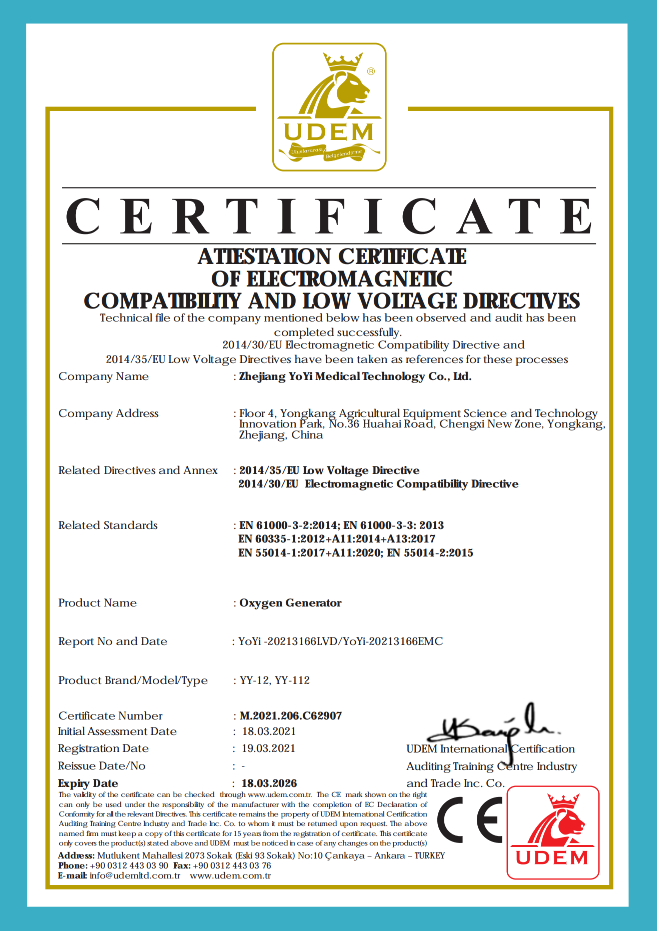
- Yoyi Care (China) – A newer med-tech brand, Zhejiang Youyi Medical Technology (“Yoyi Care”) produces medical-grade home oxygen concentrators and related devices. Yoyi Care’s products are designed to meet international standards (ISO/CE/FDA) and it is building a reputation in markets worldwide. While not as large as the brands above, Yoyi Care is often cited as a trusted manufacturer in Asia.
When evaluating brands, look for long-term reliability, warranty support, and patient support services. Most top manufacturers have global service networks. You can also ask your supplier for user testimonials or clinical data on a particular model.
Practical Buying Tips and Common Pitfalls to Avoid
- Match the device to your prescription. Confirm the flow rate and delivery mode you need (continuous vs. pulse dose) and choose a unit that supports it. For example, if you need 2 LPM continuous oxygen, a pulse-only unit may not be appropriate. Always consult your doctor about whether a stationary or portable unit better suits your lifestyle.
- Be skeptical of marketing claims. Do not assume a POC’s “setting” equals liters per minute. As one patient group warns, “the numbers on the dial of a POC are manufacturers’ settings and do NOT mean LPM”. If a POC advertises 1–5 settings, ask the supplier exactly how much oxygen (in LPM) each setting delivers. Also check battery life: higher oxygen flows drain batteries faster.
- Buy FDA/CE-approved devices only. Avoid any machine marketed as an over-the-counter oxygen generator or canned oxygen. These products are not FDA-cleared and may not deliver any real benefit. Medical experts have found that most “wellness” oxygen gadgets are ineffective for lung patients. Only purchase home oxygen machines from accredited medical equipment dealers or directly from reputable manufacturers.
- Consider total cost. The sticker price is only part of the expense. For concentrators, factor in electricity usage and filter replacements. For cylinders or liquid systems, include cylinder rental or refill fees. You may need to buy accessories (humidifiers for flows >4 LPM, extra battery packs, cannulas). If cost is an issue, check if your insurance or Medicare will cover part of the cost once you have a prescription.
- Check reviews and service. Read user reviews or ask for references for the specific model you plan to buy. Ensure the brand offers good customer service and repair centers. A 3–5 year warranty on the compressor is desirable. If buying used, be very cautious: used units often have weaker batteries and may lack support. Only buy a used concentrator from a reliable source, and verify the battery health and certification before purchase.
- Plan for portability or backup power. If you intend to travel or move around frequently, test the unit in advance. Most portable concentrators are FAA-approved for flights, but you’ll need airline medical clearance and extra batteries for long trips. If power outages are a concern, consider a model with a built-in UPS battery or have a backup oxygen tank.
- Follow safety practices. Always use oxygen equipment in a well-ventilated area and never allow smoking or open flames near the device. Keep the unit elevated off the ground with good air intake. Don’t drape sheets or sit too close to the machine (they generate heat). Store all oxygen tanks upright and secure them properly. These precautions are vital for safe home oxygen use.
- Oxygen purity: Medical oxygen concentrators should provide about 90–95% oxygen. Check the specifications – most home concentrators guarantee ≥87–90% purity at all flow settings. Poor or fluctuating purity means less effective therapy. High-end concentrators often have built-in sensors to monitor and adjust oxygen purity.
- Flow rate: This is the liters-per-minute (LPM) of oxygen the unit can deliver. Your doctor will prescribe a specific flow (e.g. 2 LPM continuous, or a certain pulse dose). Home concentrators commonly range from 1–5 LPM (continuous). Make sure the device can deliver at least the maximum flow you need. (Note: many POCs list “settings” instead of LPM; do not assume setting “5” equals 5 LPM – see the pitfalls below.)
- Safety features: Look for alarms and safety interlocks. The unit should alert you to power failures, low oxygen purity, or empty batteries. For cylinders or liquid systems, ensure pressure regulators and relief valves are present. Always follow oxygen safety: keep the device and tubing away from open flames and do not smoke around oxygen. Adequate ventilation around the equipment is also important to prevent heat buildup.
- Maintenance: Ask how often filters must be cleaned or replaced. Most home concentrators have reusable intake filters (wash weekly) and sometimes cannula filters – Cleveland Clinic recommends washing tubing weekly and replacing the nasal cannula monthly to prevent infection. Find out the service interval (many units need annual servicing) and warranty length. Easy-to-replace parts and local service support are big advantages.
By following these tips and asking the right questions, you can avoid common pitfalls (like buying the wrong flow rate or an uncertified device) and ensure you get a machine that truly meets your needs.
Conclusion
Home oxygen therapy can significantly improve comfort and health for people with serious lung conditions. This guide has covered the essentials: why and who needs home oxygen, the main equipment types (stationary or portable concentrators, gas cylinders, liquid oxygen), and the key factors to compare (oxygen purity, flow, safety, cost, etc.). We also explained the difference between medical-grade and consumer-grade units, and the importance of a doctor’s prescription and regulatory compliance.
When you’re ready to buy home oxygen equipment, use this knowledge to make an informed decision. Consult your healthcare provider for a prescription and recommendations. Choose a reputable brand or supplier – for example, Philips Respironics, Inogen, Invacare, or other trusted manufacturers. (Emerging companies like Yoyi Care also offer quality medical-grade concentrators, often at competitive prices.) Be sure the unit you select has the performance (flow rate, battery life) and features (alarms, certifications) you need.
Finally, always consider after-sales support. A good medical equipment vendor will provide training on use, warranty service, and replacement parts. At Yoyi Care and other certified suppliers, experienced staff can help you “test-drive” units, interpret medical prescriptions, and set up your oxygen system for safe home use. By doing your homework and working with professionals, you can confidently buy home oxygen equipment that helps you breathe easier every day.
Ready to learn more or find the right oxygen system? Talk to your doctor and reach out to authorized medical equipment providers (including Yoyi Care) who can guide you through selecting and setting up the best home oxygen solution for your needs.
Related blogs:
Home Oxygen Concentrator vs. Medical Oxygen Concentrator: Expert Guide
What are the Symptoms of Too Much Oxygen from a Concentrator?
The Ultimate Guide to Home Oxygen Concentrator Safety: Dos, Don’ts, Hidden Hazards, and Medical Risks


