

Can Breathing Too Much Oxygen Cause Oxygen Toxicity?
Breathing too much oxygen can cause oxygen toxicity, though this condition is more common in clinical or emergency settings (e.g., high-pressure oxygen therapy, ventilators) than in typical home use. That said, prolonged use of high-flow oxygen concentrators at home without proper medical supervision can still pose serious risks, especially for people with chronic respiratory conditions like COPD.
What Is Oxygen Toxicity?
Oxygen toxicity—also known as oxygen poisoning or hyperoxia—is a harmful condition caused by breathing in too much oxygen for too long. While oxygen is essential for survival, excessive exposure to high concentrations can cause cellular damage, especially to the lungs, eyes, and central nervous system (CNS).
This condition is especially dangerous for people using oxygen concentrators or supplemental oxygen at home without proper medical supervision.
Symptoms of Oxygen Toxicity
Oxygen toxicity is a more severe, medical condition, caused by prolonged or high-dose exposure to oxygen (typically >50% FiO₂ for extended periods). It’s categorized as pulmonary or central nervous system (CNS) toxicity.
Symptoms of Pulmonary Oxygen Toxicity:
-
Persistent cough
-
Chest tightness or pain
-
Burning sensation in the chest
-
Difficulty breathing or worsening dyspnea
-
Pulmonary inflammation and edema (in severe cases)
Symptoms of CNS Oxygen Toxicity:
-
Twitching (especially facial muscles)
-
Vision changes or tunnel vision
-
Tinnitus (ringing in ears)
-
Nausea and dizziness
-
Seizures (in extreme cases)
Types of Oxygen Toxicity
Oxygen becomes toxic when its partial pressure in the body is too high, leading to an overproduction of reactive oxygen species (ROS)—unstable molecules that damage cells, DNA, and tissues.
There are two main types of oxygen toxicity:
1. Pulmonary Oxygen Toxicity
-
Affects the lungs
-
Usually occurs with prolonged exposure to moderate levels of oxygen (FiO₂ > 50%) over many hours or days
2. Central Nervous System (CNS) Oxygen Toxicity
-
Affects the brain and nerves
-
Typically occurs with very high concentrations of oxygen (FiO₂ > 100%) under high pressure—commonly seen in divers or patients in hyperbaric oxygen therapy
💡 FiO₂ = Fraction of inspired oxygen. Room air is ~21% oxygen. Medical-grade oxygen can range from 50%–100%.
How Home Oxygen Use Can Cause Oxygen Toxicity
1. Exceeding the Prescribed Flow Rate
Most home oxygen concentrators are set to deliver 1–5 liters per minute (LPM) of oxygen, based on medical evaluation. Some users incorrectly believe that “more is better” and may increase the flow rate themselves to relieve symptoms like breathlessness. But excessive oxygen delivery raises the partial pressure of oxygen in the lungs, triggering oxidative stress.
Example: A COPD patient prescribed 2 LPM increases it to 5 LPM during sleep. Over time, this can depress their breathing drive and elevate CO₂ levels — a condition called hypercapnia.
2. Unmonitored Continuous Use
Home users may leave concentrators running all night or day without pulse oximeter monitoring. This increases the risk of cumulative oxygen exposure, which may damage lung tissue, alveoli, and even lead to inflammation and fibrosis.
Signs: Persistent cough, chest tightness, or decreased tolerance to physical activity may be early indicators.
3. Patients with Blunted Respiratory Drive (e.g., COPD)
In people with chronic respiratory diseases, the body adapts to high CO₂ levels and relies on low oxygen (hypoxic drive) to stimulate breathing. Too much supplemental oxygen can shut down this drive, leading to hypoventilation, CO₂ retention, drowsiness, and even coma.
4. Improper Device Maintenance
If filters or cannulas are dirty or blocked, users may increase oxygen flow to compensate for poor delivery — inadvertently raising oxygen concentrations. Malfunctioning devices may also deliver variable concentrations of oxygen outside safe limits.
5. Lack of Clinical Supervision
Many home oxygen users do not receive regular follow-ups to reassess their oxygen needs. As health status changes, oxygen requirements may decrease, but continued use of the original prescription can lead to overexposure.
The Biological Mechanism
Excess oxygen increases reactive oxygen species (ROS) like superoxide anions and hydrogen peroxide. These unstable molecules damage cellular membranes, proteins, and DNA — leading to:
-
Inflammation of lung tissues
-
Destruction of surfactant (which keeps lungs open)
-
Reduced gas exchange
-
Capillary leakage and edema
In severe cases, oxygen toxicity can lead to acute lung injury (ALI) or acute respiratory distress syndrome (ARDS).
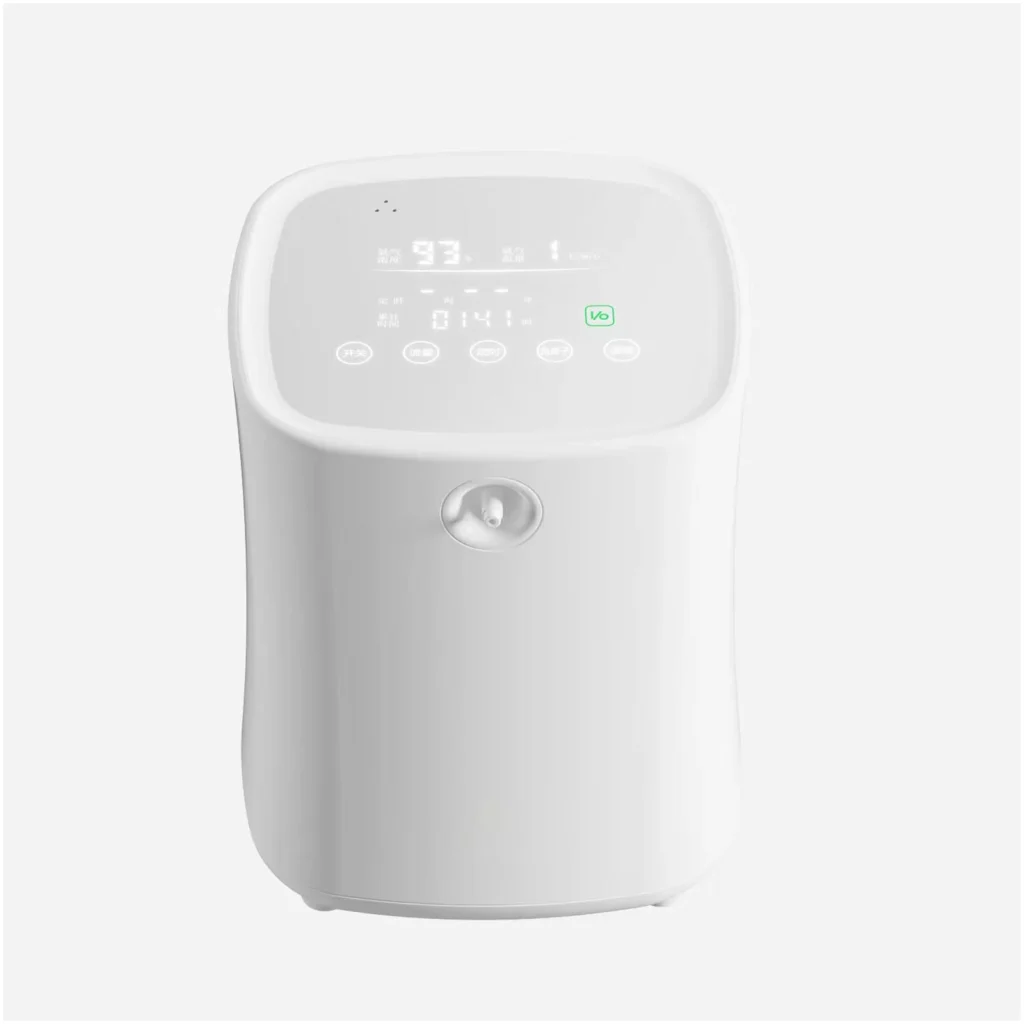
Symptoms of Too Much Oxygen from a Concentrator
This refers to early signs of over-oxygenation, especially in a home care context (like using a home oxygen concentrator). These symptoms are often milder and more general, but if ignored, they can progress into oxygen toxicity.
Typical symptoms include:
-
Headache
-
Fatigue or drowsiness
-
Confusion or difficulty concentrating
-
Shortness of breath (paradoxical — due to suppressed breathing drive)
-
Blurry vision
-
Dizziness or lightheadedness
-
Increased CO₂ levels (hypercapnia), especially in COPD patients
If you’re noticing early signs of oxygen overuse from a concentrator, it’s not yet oxygen toxicity, but it’s a red flag. Left uncorrected, it can lead to true toxicity, which is more dangerous and medically complex.
Who Is at Highest Risk?
-
Patients with COPD (risk of hypercapnia due to oxygen suppressing the respiratory drive)
-
People using high-flow oxygen (over 4 L/min) for long durations
-
Newborns and premature infants receiving oxygen therapy
-
Individuals receiving hyperbaric oxygen therapy or scuba divers at depth
How Much Oxygen Is Too Much?
There’s no universal limit, but general safety guidelines include:
-
FiO₂ > 60% for >24–48 hours = higher risk for pulmonary oxygen toxicity
-
SpO₂ > 98–99% on oxygen = possibly excessive for some patients (especially with COPD)
-
PaO₂ > 120 mmHg on ABG = consider reducing oxygen
-
Flow rates > 4–5 L/min without a clear medical reason = red flag
What to Do If You Suspect Over-Oxygenation
-
Stop or reduce oxygen use immediately (only under medical advice).
-
Call your healthcare provider to reassess your prescribed flow rate.
-
Use a pulse oximeter to track oxygen saturation; if SpO₂ is consistently above 98–99%, your flow rate may be too high.
Our Related blog: Can You Leave an Oxygen Concentrator On All Night?
How to Prevent Oxygen Toxicity at Home
-
Strictly Follow Prescribed Oxygen Settings
-
Never adjust the LPM without medical advice.
-
-
Use a Pulse Oximeter
-
Keep SpO₂ in the range recommended by your doctor (usually 90–95%).
-
-
Avoid Continuous Use Unless Prescribed
-
Some patients only need oxygen during exertion or sleep.
-
-
Schedule Regular Checkups
-
To reassess oxygen needs as your condition changes.
-
-
Maintain Your Equipment
-
Clean or replace filters and cannulas as recommended.
-
-
Understand the Symptoms
-
Be aware of early signs of over-oxygenation and respond promptly.
-
How to Use Oxygen Concentrators Safely
-
Always follow the prescribed flow rate
-
Use a pulse oximeter to monitor SpO₂ levels (ideal range: 90–95%)
-
Consult your doctor if your SpO₂ is consistently above 98% while on oxygen
-
Never adjust oxygen levels without medical approval
If you’re using a home oxygen concentrator, never assume “more is better.” Always follow your healthcare provider’s guidance, track your oxygen saturation, and report any strange symptoms—especially fatigue, confusion, or new shortness of breath.
Medical References You Can Cite
Here are a few reputable sources to include at the end of your blog for credibility:
-
American Thoracic Society – Home Oxygen Therapy Guide
-
National Heart, Lung, and Blood Institute (NHLBI) – Oxygen Therapy Overview
-
PubMed Central (PMC) – Article: “Oxygen toxicity: mechanisms and management”
-
Cleveland Clinic – Oxygen Therapy
-
NIH: National Library of Medicine – Hyperoxia and its effects on respiratory function
How Often Should I Change the Water in My Oxygen Concentrator?
What is Medical Oxygen Concentrator: How It Works & Buying Guide


