

Creating a safe and accessible bathroom is a critical part of modern caregiving and rehabilitation. For seniors and individuals with mobility challenges, the right bathroom aids can dramatically improve safety, independence, and overall quality of life. From hair washing aids for disabled individuals to aged care toilet chairs, these solutions are essential components of effective home care.
According to the CDC, an estimated 80% of falls that happen in the home for older adults occur in the bathroom. And approximately 235,000 people are injured in bathroom falls each year. For distributors, rehab suppliers, and home care product brands, that’s not just a safety problem. It’s a sourcing opportunity.
This guide explores the most important assistive products and how they support both users and caregivers. Here’s a practical breakdown of what’s worth your attention.
Why Bathroom Aids Matter in Home Care
Bathrooms are one of the highest-risk areas in any home due to slippery surfaces and limited support structures. Studies show that falls are particularly common during bathing and toileting activities, especially among older adults.
Proper assistive equipment addresses three key challenges:
- Safety: Reduces slips, falls, and injuries
- Independence: Enables users to perform daily hygiene tasks without assistance
- Care Efficiency: Lowers physical strain on caregivers
In fact, well-designed assistive products are recognized as essential tools for maintaining independence and enabling ageing-in-place.
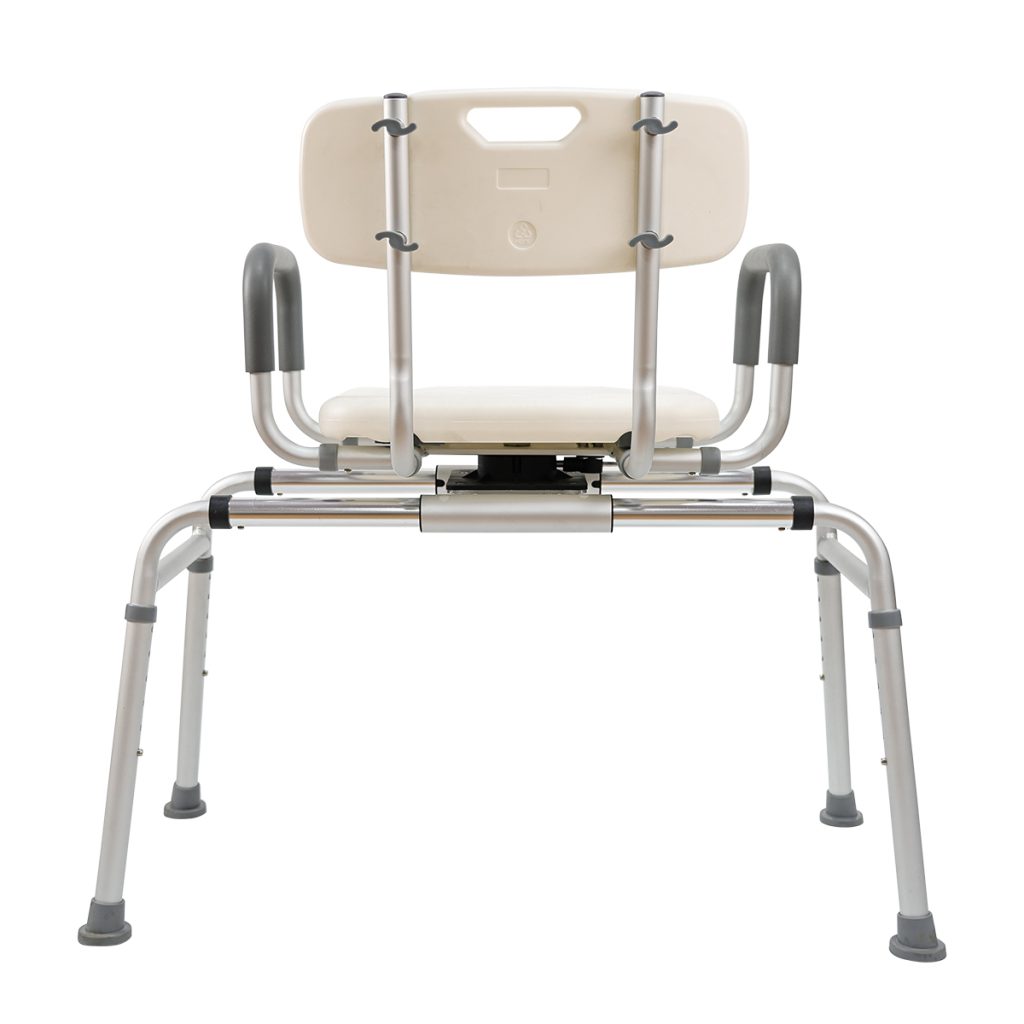
1. Bath Chairs: A Foundation of Safe Bathing
Bath chairs are among the most widely used home care products for elderly and disabled individuals.
Key Benefits
- Provide a stable seated position, minimizing fall risk
- Reduce fatigue caused by prolonged standing
- Improve comfort with ergonomic backrests and armrests
- Allow users to bathe independently
Research highlights that bath chairs significantly reduce anxiety around slipping and enable safer hygiene routines.
Types of Bath Chairs
- Shower stools: Compact and lightweight
- Full bath chairs with armrests: Maximum support
- Transfer benches: Ideal for limited mobility
- Height-adjustable chairs: Custom fit for different users
Demand is strongest for adjustable, corrosion-resistant aluminum models with anti-slip features.
Related article: What is a Bath Chair for the Elderly?
2. Shower & Hair Washing Aids
Hair washing can be particularly difficult for individuals with limited mobility or those confined to bed or wheelchairs. This is where specialized hair washing aids for disabled users become essential.
Common Solutions
- Portable shampoo basins
- Inflatable hair washing trays
- Reclining wash systems for bedside care
- Handheld shower heads
Benefits
- Enable safe and hygienic hair care without full bathing
- Reduce caregiver workload
- Improve user dignity and comfort
These products are especially valuable in hospitals, nursing homes, and home care environments where full bathroom access is limited.
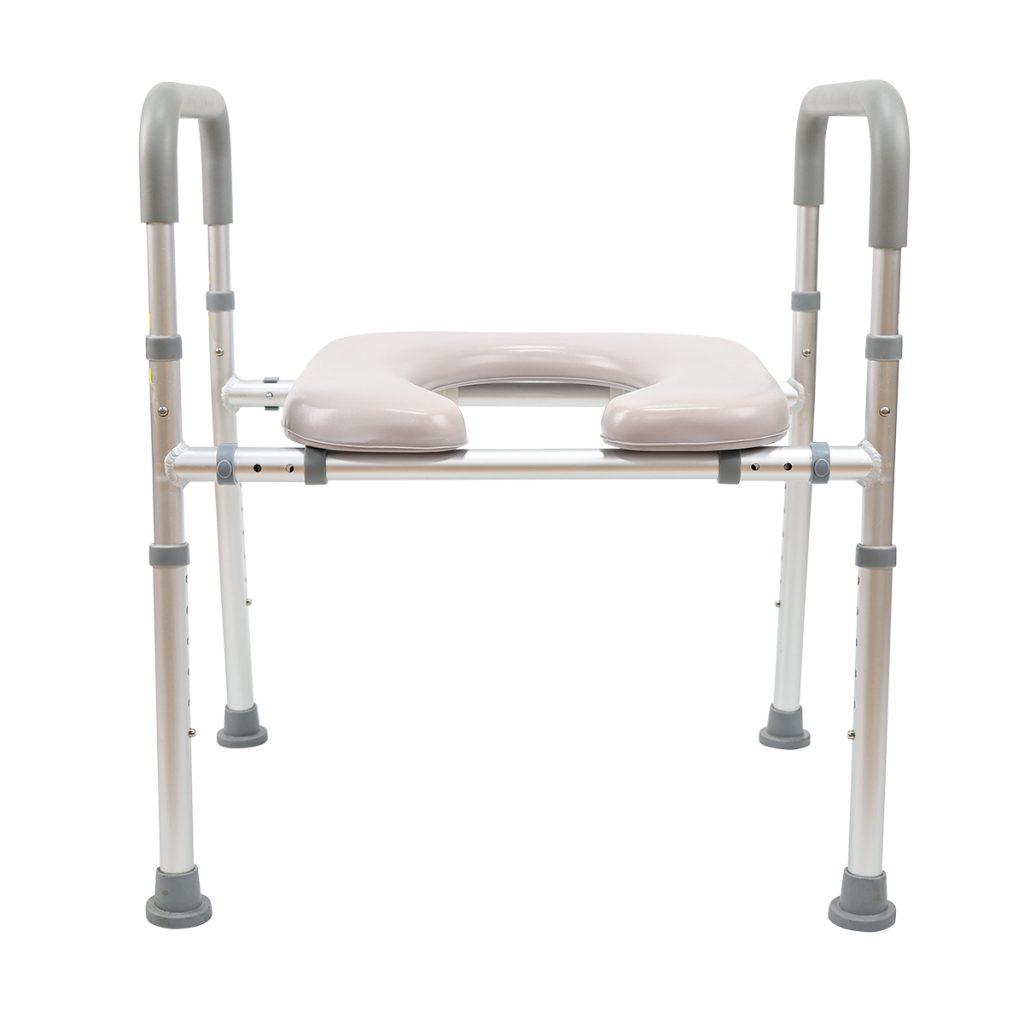
3. Commodes: Essential Toileting Support
An aged care toilet chair (commode) is a critical solution for individuals with mobility impairments, post-surgery recovery, or chronic conditions.
Why Commodes Are Essential
- Provide accessible toileting without needing a standard bathroom
- Reduce fall risks during transfers
- Support hygiene and dignity
According to clinical insights, commode and shower chairs play a vital role in maintaining independence and reducing caregiver strain.
4. Additional Bathroom Aids Worth Considering
Beyond chairs and commodes, a complete bathroom safety setup includes:
Grab Bars & Support Rails
- Provide stability when sitting, standing, or transferring
- Reduce reliance on caregivers
Raised Toilet Seats
- Make sitting and standing easier
- Ideal for post-surgery recovery
Non-Slip Mats & Flooring
- Essential for fall prevention
- Complement all other aids
Transfer Aids
Sliding boards or swivel seats for safe movement
These products collectively create a comprehensive safe bathroom ecosystem, especially important in institutional and home care settings.
Key Considerations for Buyers
For distributors, wholesalers, and healthcare providers in Europe and North America, product selection should focus on:
Compliance & Standards
- CE certification (Europe)
- FDA or ANSI compliance (U.S.)
YOYI CARE holds both, plus ISO 13485:2016 compliance and a Chinese Medical Device Production License.
Material & Durability
- Rust-resistant aluminum frames
- Anti-bacterial plastics
Adjustability & Ergonomics
- Height-adjustable legs
- Removable armrests
- Tool-free assembly
User-Centric Design
- Comfort (padding, back support)
- Ease of cleaning
Conclusion
The bathroom aids market is growing at a pace that buyers can’t ignore. Manufacturers are responding with lightweight aluminum frames, antimicrobial surface treatments, and digitally connected devices that support remote monitoring. Whether you’re sourcing aged care toilet chairs, shower chairs, or hair washing aids for disabled users, the quality of your supply chain defines your brand.
We build the products, and you put your name on them.
FAQs
1. What are the most essential bathroom aids for disabled individuals?
The most essential bathroom aids for disabled users typically include bath chairs, commode chairs, grab bars, and non-slip mats. These products address the highest-risk activities, such as bathing and toileting, while improving safety and independence.
2. Is there enough demand for hair washing aids for disabled users?
Yes. Care homes, home health agencies, and hospitals regularly order inflatable shampoo basins, no-rinse shampoo caps, and hair washing trays. Users with limited mobility, who are bedridden, or at risk of falls often need seated or bed-based hair washing solutions. It’s a repeat-purchase product with strong margins.
3. Are these products suitable for both home care and medical facilities?
Absolutely. Most bathroom aids for disabled users are designed for versatility and can be used in private homes, nursing homes, hospitals, and rehabilitation centers
This makes them highly valuable for both individual users and B2B buyers supplying healthcare institutions.


